Why a cacao workshop in San Juan La Laguna belongs in a luxury family itinerary
On Lake Atitlán, the most rewarding family experiences often happen far from the hotel pool. A carefully chosen cacao workshop in San Juan La Laguna, Guatemala, turns a simple tasting into a layered cultural encounter that sits comfortably alongside premium lakefront suites and private boat transfers. For a family used to polished service, the right cacao tour balances authenticity with comfort and creates an experience your children will remember long after any infinity pool.
San Juan village sits on the western shore of Lake Atitlán, framed by volcanoes and steep coffee terraces. It has become the reference point for a hands on cacao workshop San Juan La Laguna Guatemala, where the focus is on the full process from cacao tree to chocolate bar rather than a quick shop demonstration. Here, the ancient Mayan relationship with sacred cacao is still visible in murals, weaving cooperatives and small family run spaces that feel intimate yet welcoming for visitors.
Families staying in luxury properties around lake Atitlán, from the quieter coves near San Marcos to the livelier docks of San Pedro, can reach San Juan La Laguna by private lancha in under an hour. That short ride delivers you into a different rhythm, where the pace is measured in hours spent learning chocolate making rather than minutes between spa appointments. For premium travelers, this contrast is precisely the point, and it is why we consistently recommend combining high end stays with grounded, local culture experiences like these.
Inside the bean to bar experience: what children actually do
A well run chocolate workshop in San Juan La Laguna starts with the raw cacao beans laid out on a simple table, often beside a hand painted sign or a tray of local spices. Children are invited to touch the dried bean, smell the roasted shells and see how the cacao tree fruit becomes something they recognise as chocolate. The best hosts keep the explanation of the process short and tactile, so younger guests stay engaged while adults can ask deeper questions about Mayan culture and local agriculture.
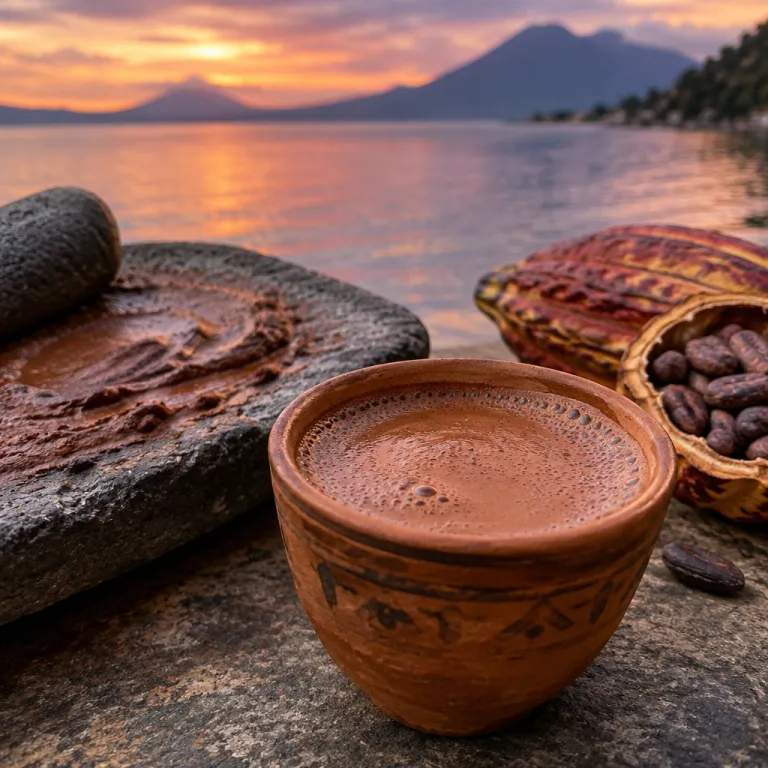
From there, the experience usually moves to the comal, the flat clay griddle where cacao beans are warmed and cracked by hand. Kids take turns at the grinding stone, pushing the warm paste back and forth until it turns glossy and fragrant, a moment that often feels like magic after only a few hours on the lake. This is where the phrase bean to bar becomes real, as families watch their own chocolate making take shape with nothing more than ground cacao and a little sugar.
Many workshops in Juan village then shift to tasting, pouring the thick liquid into small cups or shaping it into a rustic chocolate bar. Children can compare a simple ceremonial style drink with a sweeter version closer to what they know from a modern chocolate shop. For parents, it is a rare chance to see their children learning chocolate history and technique in a setting where ancient Mayan stories, local culture and hands on making all share the same small room.
For families planning a broader cultural circuit, this kind of grounded food experience pairs beautifully with other Guatemalan traditions, from highland markets to the kite filled cemeteries of Sumpango. If you are considering that route, our guide to where to stay for the Sumpango kite festival shows how to keep the standard of comfort high while you move between very different corners of the country. The same principle applies at Lake Atitlán, where you can step from polished suites into a humble cacao ceremony and back again in a single full day.
Ceremonial cacao versus culinary chocolate: one bean, two traditions
One of the most valuable aspects of a cacao workshop San Juan La Laguna Guatemala is the clear line it draws between ceremonial cacao and culinary chocolate. In many sessions, your host will prepare a traditional cacao ceremony drink, using ground sacred cacao, water and perhaps a touch of chile or spice, served without the sweetness of a dessert. This is where the spiritual dimension of Mayan culture appears, as families hear how cacao once functioned as currency for the ancient Mayan world and still anchors rituals today.
Side by side with that, you usually taste a more familiar chocolate bar or hot chocolate, closer to what you might order at a café bar in Guatemala City. Children quickly understand that the same cacao beans can lead to very different results, depending on the process, roasting and additions. For parents, it is a gentle way to talk about how global food systems have shifted from small scale cacao tree plots to industrial chocolate making, without losing the joy of the experience.
Some hosts in San Juan and nearby San Pedro also offer a short, non religious cacao ceremony for visitors, framing it as a moment of reflection rather than a performance. Luxury travelers should approach this with respect, treating it as an invitation into living Mayan culture rather than an entertainment segment in a tour. If you prefer to focus purely on gastronomy, you can request a workshop that emphasises the bean to bar process, tasting flights and pairing ideas instead, which still gives you deep context for every chocolate shop you visit later in your trip.
Families who are building a longer Guatemalan itinerary often combine Lake Atitlán with the jungle temples of Petén. For that leg, our guide on how to visit Tikal National Park in style explains which lodges match the level of comfort you will find at the lake. Taken together, a refined stay near Tikal and a grounded cacao experience on Lake Atitlán give children a coherent story of ancient Mayan life, from sacred cacao to stone pyramids.
Weaving cooperatives, lake villages and how to choose the right workshop
San Juan La Laguna is known not only for cacao but also for its women led weaving cooperatives. A thoughtful family itinerary pairs a morning chocolate workshop with an afternoon visit to a cooperative, where you see how natural dyes, backstrap looms and village patterns express Mayan culture in cloth. Children move from grinding cacao to watching thread dyed with local plants, connecting food and textiles as two expressions of the same lake atitlán landscape.
When choosing between villages, San Juan offers the most coherent combination of cacao workshop, weaving and calm streets, while San Pedro suits families who prefer more café options and a livelier bar scene. Both sit on the same stretch of lake Atitlán, yet the experience feels very different, so your hotel choice should reflect your family’s rhythm and tolerance for crowds. Premium properties around the lake can arrange private boats, meaning you can sleep in one village and spend your learning chocolate hours in another without logistical stress.
Within San Juan village, look for hosts who clearly explain the process from cacao tree to cup, who limit group size and who are transparent about where their cacao beans come from. Some spaces, such as small family run projects sometimes referred to as Diego Chocolate by locals, focus almost entirely on the bean to bar craft, while others lean more into storytelling and ceremony. For a premium family, the ideal balance is a structured chocolate workshop with clear roles for children, followed by unhurried time in a weaving cooperative where you can sit, ask questions and let the lake slow you down.
If you are mapping out where to stay across the country, our overview of elegant stays in Guatemala’s main tourist cities helps align your hotel choices with these more grounded experiences. The aim is always the same, whether you are near Antigua, Lake Atitlán or Flores, to pair refined rooms and attentive service with encounters that keep you close to local culture. A cacao workshop San Juan La Laguna Guatemala, combined with time in weaving cooperatives, does exactly that for the lake region.
Private versus group sessions and how to book from a luxury base
From a premium family perspective, the key decision is whether to book a private cacao workshop or join a small group. A private session in San Juan La Laguna allows the host to adjust the pace, simplify explanations for younger children and perhaps extend the chocolate making segment if your family is particularly engaged. Group tours, often departing from San Pedro or Panajachel, can be livelier and more economical, but they rarely offer the same depth or flexibility in the hours you spend on each step.
Most high end hotels around Lake Atitlán now work with trusted local partners for cacao experiences, weaving visits and boat logistics. When you book through your property, you gain the reassurance of vetted guides, clear communication and timing that fits around naps, meals and spa appointments. For a full day on the lake, a typical pattern is a morning bean to bar workshop in San Juan, a relaxed lunch with a view of the laguna and volcanoes, then an afternoon stop in a weaving cooperative before returning to your suite by late afternoon.
If you prefer to arrange things independently, look for operators who cap group size, specify whether a cacao ceremony is included and clarify how much hands on time children will have. Ask directly whether the focus is on tasting, on the spiritual side of sacred cacao or on the technical process from bean to bar, so expectations align with your family’s interests. In every case, the goal is the same, to step briefly out of the polished world of lakefront terraces and into a room where cacao beans, grinding stones and stories of ancient Mayan life still shape daily routines in this corner of Guatemala.
FAQ
How long does a typical cacao workshop in San Juan La Laguna last ?
Most family friendly cacao workshops in San Juan La Laguna run between one and two hours. That duration usually covers an introduction to cacao beans, a hands on grinding segment and a tasting of both ceremonial style drinks and sweeter chocolate. Some hosts can extend the experience for private groups, especially if you combine it with a weaving cooperative visit.
Is a cacao ceremony appropriate for children ?
Non religious cacao ceremonies offered to visitors on Lake Atitlán are generally gentle, reflective moments that children can attend. The focus is on gratitude, storytelling and the cultural role of sacred cacao rather than complex ritual. Parents who prefer to keep things purely culinary can request a workshop that emphasises chocolate making without the ceremonial element.
Which Lake Atitlán village is best for a first cacao experience ?
San Juan La Laguna is the most consistent choice for a first cacao workshop, thanks to its combination of small scale producers and women led weaving cooperatives. San Pedro offers more cafés and a livelier atmosphere, which some older children enjoy, but it is less focused on cacao. Many luxury travelers stay in quieter coves and visit San Juan by private boat for a half or full day.
Can we buy high quality chocolate to take home after the workshop ?
Most hosts in San Juan village sell small batch chocolate bars, ground cacao and sometimes ceremonial cacao paste. Quality varies, so ask to taste before you buy and check how the cacao beans were sourced and processed. For serious enthusiasts, your hotel concierge can often point you toward a specialist chocolate shop in Antigua or Guatemala City for a broader selection.
Do we need to book a cacao workshop in advance ?
Advance booking is strongly recommended, especially for private family sessions or visits during busy holiday periods. Luxury hotels around Lake Atitlán can usually secure preferred time slots and coordinate boat transfers as part of a wider tour plan. Independent travelers should contact hosts directly at least a few days ahead to confirm availability and language options.