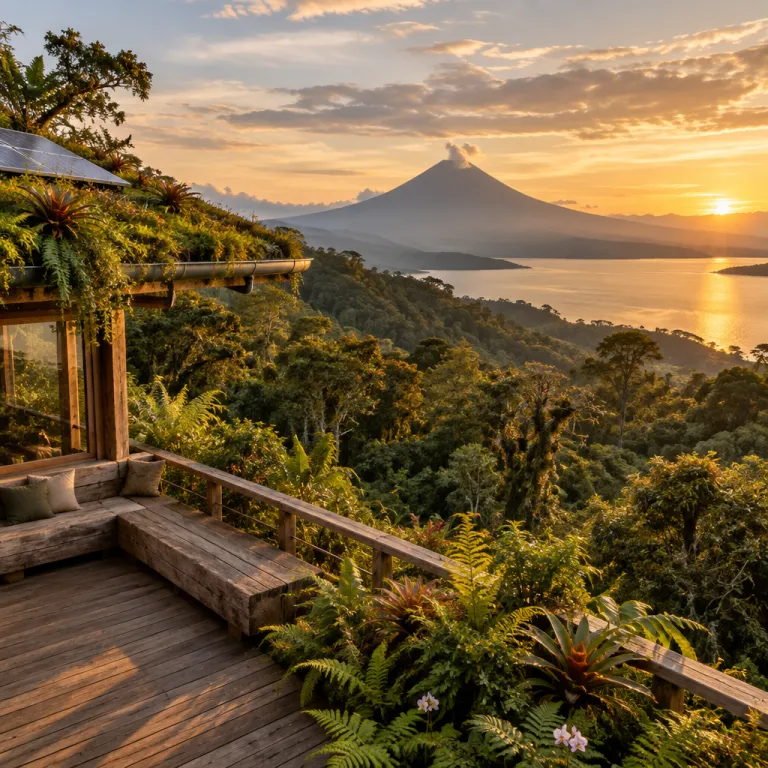
World Tourism Day and the new reality of responsible tourism in Guatemala
World Tourism Day lands in Guatemala at a moment of acceleration. Travel and tourism in the country sit inside a wider Central America surge, with the World Travel & Tourism Council projecting that Guatemala’s Travel and Tourism GDP will grow faster than the global average and that international visitor spending will rise sharply as Latin America gains visibility. For luxury travelers, this boom makes responsible tourism in Guatemala less of a niche preference and more of a duty that shapes every stay, every tour, and every reservation.
Guatemala is no longer a quiet detour between México and Costa Rica ; it is a Central America country where high end tourism initiatives now reach from Guatemala City’s design hotels to remote lake lodges. As more people arrive, the pressure on local communities, fragile lake ecosystems, and Maya archaeological sites grows, and so does the need for responsible travel choices that genuinely support local culture and long standing traditions. The best time to think about responsible tourism Guatemala is not after your trip, but while you are choosing which eco hotel to book, which community tourism project to visit, and which guides will share their experience on the ground.
Responsible tourism in Guatemala starts with understanding where your money lands and which people and places benefit. When you book a lake retreat at Lake Atitlán or a jungle lodge near Tikal, you are voting for a model of tourism Guatemala will follow as it becomes a more visible destination in Latin America. Ask how many community members are employed, how the property supports local communities, and whether your stay contributes to sustainable tourism rather than simply extracting value from the country.
From Semuc Champey to the Maya forest: lodges that reinvest in land and people
The Q’eqchi’ Maya regions around Semuc Champey have become a litmus test for ecotourism Guatemala. Here, turquoise pools framed by dense forest attract growing tourism from across Central America and beyond, yet the most responsible tourism Guatemala experiences are the ones that treat the area as a living homeland rather than a backdrop for a guatemala photo. When you choose a riverfront eco hotel run in partnership with local communities, you help ensure that tourism initiatives fund reforestation, clean water projects, and training for young community members.
Look for lodges that publish clear data on how they support local employment and conservation, not just vague promises about being sustainable. In practice, that means properties where a majority of staff are from nearby villages, where guides can explain Q’eqchi’ traditions in their own words, and where your tour to Semuc Champey includes time in a community rather than only a swim in the pools. This is responsible travel in Central America at its most concrete ; your room rate becomes a tool to support local livelihoods and protect the country’s biodiversity.
Farther north, inside the Maya forest, conservation focused properties show what long term sustainable tourism can look like in Guatemala and the wider Latin America region. Before booking a jungle stay, read in depth reviews of conservation lodges in the Maya reserve, such as those featured in our guide to sleeping inside the Maya forest, and ask how each eco hotel manages waste, energy, and wildlife corridors. The most responsible tourism Guatemala options here work hand in hand with community tourism cooperatives, ensuring that both the forest and the people who guard it benefit from every guest night.
Lake Atitlán, San Juan and the leverage of the luxury guest
Lake Atitlán is where the tensions of tourism Guatemala are most visible. The lake sits in a volcanic bowl ringed by villages, each with its own language, weaving patterns, and rituals, and the area has become one of the most photographed people places in Central America. Responsible tourism in Guatemala around Lake Atitlán now means asking how your stay affects water quality, shoreline development, and the social fabric of local communities that have lived here long before Latin America became a trending travel region.
San Juan La Laguna, often shortened by travelers to San Juan, offers one of the clearest examples of community tourism done well. Here, community members run cooperatives where you can learn about natural dye techniques, buy textiles directly from weavers, and join short workshops that explain how traditions encode the history of the country. Choosing a guided tour with a local association, rather than a quick stop on a mass market itinerary, is one of the most effective ways to support local families and keep responsible tourism Guatemala grounded in real relationships.
Luxury travelers have particular leverage at Lake Atitlán because high nightly rates can either fuel speculation or fund sustainable tourism. When you book an eco hotel on the lake, ask whether the property treats the lake as a shared resource, how it manages wastewater, and how it collaborates with nearby villages such as San Juan and the often overlooked hamlet of Juan Laguna on the opposite shore. For a broader sense of how responsible travel can extend beyond the highlands, consider pairing your lake stay with a low key Caribbean leg, using our guide to the Río Dulce to Livingston corridor to balance your itinerary across the country.
Guatemala City, Tikal and using World Tourism Day to reset your standards
Guatemala City is where most international travel begins, yet many visitors treat it as a transit point between Guatemala and México or as a brief stop before the lake. Responsible tourism in Guatemala’s capital starts with choosing hotels that invest in staff training, fair wages, and partnerships with local cultural institutions. Our guide to Guatemala City in 48 hours highlights properties and neighborhoods where tourism initiatives are reshaping how people experience the city, from rooftop bars that showcase Guatemalan coffee to galleries that work directly with artists from rural communities.
Tikal, meanwhile, faces the classic over tourism dilemma that now defines much of Central America. The best time to visit is often the early morning or late afternoon, when both temperatures and crowds ease, but responsible travel here is less about beating the lines and more about how you move through the site. Hiring certified local guides, respecting marked paths, and pairing your ruins tour with a visit to a nearby community project are small decisions that keep responsible tourism Guatemala from becoming an empty slogan.
World Tourism Day is a useful annual prompt to reset your standards as a traveler to Guatemala and the wider Latin America region. Before you book, ask whether each eco hotel or high end property you consider is transparent about its impact on local communities, whether it participates in community tourism networks, and how it contributes to ecotourism Guatemala beyond marketing language. In a country where tourism is projected to grow faster than the global average, responsible tourism Guatemala is no longer a side note ; it is the framework that will decide whether this boom strengthens or erodes the culture, landscapes, and people who make the country exceptional.
FAQ
What does responsible tourism in Guatemala mean for a luxury traveler ?
For a luxury traveler, responsible tourism in Guatemala means choosing hotels, tours, and transport that prioritize sustainable tourism practices and genuine partnerships with local communities. It involves asking how properties support local employment, how they manage resources such as water and energy, and how they protect culture and traditions rather than commodifying them. Your higher budget gives you more leverage to support local initiatives, from community tourism projects at Lake Atitlán to conservation focused lodges in the Maya forest.
How can I support local communities around Lake Atitlán ?
To support local communities around Lake Atitlán, prioritize stays in eco hotel properties that employ community members and source food and services locally. Book guided visits with cooperatives in villages such as San Juan La Laguna, where you can learn about weaving, coffee, and painting directly from artisans. Buying crafts at fair prices, respecting local customs, and sharing thoughtful guatemala photo stories that highlight people rather than only scenery all contribute to responsible tourism Guatemala.
Is community tourism in Guatemala safe and comfortable for business leisure travelers ?
Community tourism in Guatemala can be both safe and comfortable for business leisure travelers when curated carefully. Many community tourism initiatives near Semuc Champey, Lake Atitlán, and the Río Dulce region now offer well organized tours, trained guides, and clear safety standards that align with international expectations. Working with reputable operators and cross checking recent reviews allows you to combine authentic local experiences with the level of comfort you expect from premium travel in Central America.
What is the best time of year to plan responsible travel in Guatemala ?
The best time to plan responsible travel in Guatemala is often the shoulder seasons, when tourism pressure on popular sites such as Tikal and Lake Atitlán is lower. Traveling outside peak holiday periods spreads visitor numbers more evenly across the year, which helps local communities maintain steadier income and reduces strain on fragile ecosystems. Whenever you choose to visit, booking in advance with eco hotel properties and community tourism projects gives them more predictable revenue and supports better planning.
How can I tell if a hotel in Guatemala is truly sustainable ?
A truly sustainable hotel in Guatemala will be transparent about its environmental practices, its hiring policies, and its relationships with nearby communities. Look for clear information on wastewater treatment, energy use, and waste reduction, as well as evidence that a significant share of staff and suppliers come from local communities. Properties engaged in responsible tourism Guatemala will often participate in recognized certification schemes or long term conservation and education programs, rather than relying solely on marketing terms such as green or eco.