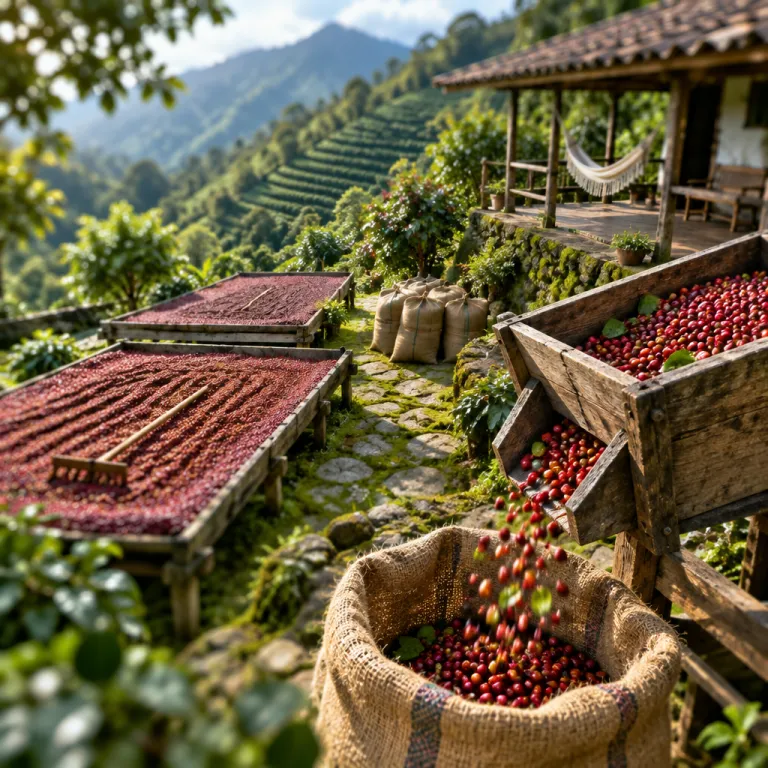
Why a Huehuetenango coffee farm stay in Guatemala feels different
A huehuetenango coffee farm stay in Guatemala is not another scenic detour. At more than 2,000 metres, the air is thin, the light is sharp, and the coffee plantations sit on slopes that feel almost vertical. For a solo person who cares about origin and detail, this altitude shapes every part of the stay.
Here, coffee farms cling to the Cuchumatanes, far from Guatemala City and the polished estates near Antigua. The remoteness means fewer people, fewer tour buses, and more time with growers who talk about each coffee cherry as if it were a single story. That intimacy is what turns a simple farm stay into an origin trip with real emotional weight.
Altitude matters because it slows the ripening of coffee cherries on the tree. At over 2,000 metres in this part of Guatemala, nights are cold, days are bright, and the coffee beans develop dense sugars that translate into layered, often fruity cups of specialty coffee. You taste the slope, the wind, and the long harvest season in every single origin pour.
For travelers used to a quick plantation tour near Antigua or Lake Atitlán, Huehuetenango feels like another country. Roads climb past maize fields and small fincas before you even see a formal coffee plantation. By the time you reach your hotel or guesthouse, the journey has already become part of the story you will tell about this trip.
Luxury here is not marble lobbies but hot water, thick blankets, and a quiet room above a working finca. You might book a simple farm stay with polished linens, then step outside to watch pickers move through the rows at dawn. That contrast between comfort and hard manual work is what gives a huehuetenango coffee farm stay in Guatemala its particular gravity.
Altitude, flavor and the quiet drama of single origin coffee
To understand why Huehuetenango captivates serious coffee people, start with the numbers. This is Guatemala’s highest coffee region, with some coffee plantations sitting above 2,000 metres, and that extreme altitude creates slow ripening and complex, competition level profiles. When you stay on a coffee farm here, you are sleeping inside the conditions that make those single origin lots so sought after.
On a clear morning, you wake to a cup brewed from coffee beans grown a short walk from your room. The farmer might explain how cooler nights at this elevation keep the coffee cherries firm, concentrating sweetness and acidity in a way you rarely find on lower farms near Antigua or Lake Atitlán. It is one thing to read about altitude on a bag label, and another to feel the chill on your face while you sip.
Cooperative run guided tours in Huehuetenango tend to be less polished than a plantation tour at a large finca near Guatemala City. Yet they excel at showing the full chain, from nursery to drying patios, and they often include conversations with the person who manages the wet mill. For a solo traveler, that access can be more valuable than any spa treatment at a city hotel.
By contrast, estates around Antigua such as Finca Filadelfia offer a smoother, more choreographed tour experience. If you want to compare the two styles of travel, use a loop through the highlands as a framework and study candid field notes from a highland hotel circuit on this detailed highlands hotel review. Huehuetenango will feel wilder, less predictable, and more focused on origin than on amenities.
For many guests, the most memorable moment is not the cupping table but the walk through steep plots where pickers move in near silence. You see how each person selects only ripe coffee cherries, filling baskets that will later become a named single origin lot. That physical effort, at this altitude, is what you taste when a barista in another country calls a coffee “Huehue”.
Choosing where to sleep: from working fincas to refined highland hotels
Accommodation in Huehuetenango coffee country ranges from spare rooms on family fincas to polished highland hotels. A huehuetenango coffee farm stay in Guatemala often means a simple room on the edge of a plantation, with views over rows of coffee trees and distant ridges. For a solo traveler, that proximity to the fields can feel more luxurious than a long list of amenities.
Some fincas near small towns such as San Pedro Nécta or San Antonio Huista offer basic farm stay options with shared meals and informal guided tours. You might sleep above the drying patios, wake to the sound of depulpers, and join a plantation tour that starts at the nursery and ends at the cupping lab. Prices are usually modest per person, but the value lies in access rather than in thread counts.
Travelers who prefer more refined stays can base themselves in regional hubs and arrange day trips to coffee plantations. In that case, you might book a characterful hotel in Antigua for a night or two before or after Huehuetenango, using it as a soft landing. Properties such as the courtyard hideaway reviewed in depth on this Antigua hotel review pair well with a more rustic farm stay up in the highlands.
When evaluating where to stay, look beyond the nightly price and ask how integrated the lodging is with the working farm. Some fincas brand themselves around coffee but keep guests at a distance from the actual production areas. Others invite you into the wet mill, the drying patios, and even the cupping room, turning your stay into a living origin trip.
Solo travelers should also consider practicalities such as Wi Fi reliability, hot water, and the availability of meals on site. A remote finca san outpost might feel romantic until you realize the nearest restaurant is a long drive away on mountain roads. Clarify what is included before you book, and remember that in this region, the richest experiences often come with a little logistical friction.
Getting there, getting around and staying safe at 2,000 metres
Reaching Huehuetenango’s coffee farms from Guatemala City is a journey in stages. Most people travel first by road to the city of Huehuetenango, then continue by pickup or 4x4 along narrow mountain routes to the fincas. The drive is long, but the shift from urban sprawl to highland ridges helps you understand just how remote this coffee origin really is.
Road conditions vary with the season, and a huehuetenango coffee farm stay in Guatemala often involves unpaved tracks for the final stretch. If you are a single traveler, ask your hotel or finca to arrange trusted transport rather than negotiating on the street. Local drivers know where recent landslides have narrowed the road and which routes are safest after dark.
Altitude itself is another factor to respect. At more than 2,000 metres, some people feel short of breath on steep walks between the farmhouse and the coffee plantations. Plan your first day as a gentle acclimatization period, and save any ambitious volcano hike or long plantation tour for later in the trip.
Travel insurance that covers rural medical care and evacuation is sensible for anyone heading into remote coffee country. While serious incidents are rare, distances to major hospitals in Guatemala City are significant, and road delays are common. A good policy will also protect pre paid hotel nights and farm stay bookings if weather or road closures force you to change plans.
For those building a longer itinerary, Huehuetenango pairs well with time in Antigua, Lake Atitlán, or even a cross border hop to Costa Rica for a comparative coffee experience. To balance comfort and remoteness, consider using a curated framework such as the three itineraries at three price points outlined on this luxury stay planning guide. That way, your nights at 2,000 metres become the high point of a broader, carefully structured journey.
Planning your harvest season origin trip like a pro
The most rewarding time for a huehuetenango coffee farm stay in Guatemala is the harvest window. In these highlands, picking often stretches later than in lower regions, because cooler nights slow the ripening of coffee cherries. That extended season gives travelers more chances to see the full cycle, from selective picking to drying and cupping.
During harvest, guided tours on working fincas feel particularly alive. You can follow a basket of freshly picked cherries from the field to the wet mill, watching how each person along the chain protects quality. For a solo traveler interested in specialty coffee, this is the moment when abstract terms like “processing” and “density” become tangible.
Outside harvest, a farm stay still offers value, but the focus shifts. You might spend more time walking through coffee plantations, learning about pruning, shade management, and soil health rather than watching active processing. Prices for rooms can be more flexible in these quieter months, and hosts may have more time for long conversations about the economics of coffee.
When booking, ask specific questions about what will be happening on the farm during your stay. A finca san outpost near San Miguel might be in full picking mode, while another farm at a different altitude is still waiting for cherries to ripen. Clear expectations help you choose whether this trip is about witnessing harvest intensity or about slow, reflective walks through quiet rows.
Finally, remember that a huehuetenango coffee farm stay in Guatemala is not a polished resort experience. It is an origin trip where you share space with workers, agronomists, and families whose lives revolve around coffee. Approach it with curiosity, patience, and respect, and the stories you bring home will last far longer than any bag of beans.
FAQ
Is Huehuetenango safe for a solo traveler interested in coffee farms ?
Huehuetenango coffee country is generally welcoming to solo travelers who plan carefully. Work with established fincas or reputable hotels, arrange trusted transport in advance, and avoid unnecessary night travel on rural roads. As in the rest of Guatemala, situational awareness and local advice are your best safety tools.
How many nights should I plan for a coffee farm stay in Huehuetenango ?
Two nights is the minimum to justify the long journey from Guatemala City. With three or four nights, you can join multiple guided tours, rest between long walks, and still have time for quiet reading on the veranda. Longer stays also allow you to see different stages of work on the coffee plantations.
Do I need to be a coffee expert to enjoy a farm stay at 2,000 metres ?
You do not need technical knowledge to appreciate a huehuetenango coffee farm stay in Guatemala. Hosts are used to explaining concepts such as single origin, processing, and altitude in accessible language. Curiosity and respect for the work are far more important than prior expertise.
What should I pack for a high altitude coffee plantation visit ?
Pack layers for cool nights and strong sun during the day, along with sturdy shoes for steep, sometimes muddy paths. A light rain jacket, a hat, and a reusable water bottle make plantation tours more comfortable. If you are sensitive to altitude, consider speaking with a medical professional before the trip.
Can I combine Huehuetenango with Antigua or Lake Atitlán in one itinerary ?
Yes, many travelers pair Huehuetenango with time in Antigua or around Lake Atitlán to balance rural immersion with more polished hotel stays. Plan your route to minimize backtracking, usually starting or ending in Guatemala City. This combination gives you both high altitude origin experiences and easier access to restaurants, markets, and cultural sites.
Sources
Living in Guatemala – Coffee tours in Guatemala ; National Coffee Association of Guatemala (Anacafé) ; Specialty Coffee Association.