Why Mayan wellness rituals at Lake Atitlán feel different
Lake Atitlán sits in a volcanic caldera at 1 562 meters, and the altitude shapes every wellness experience you will have here. The combination of sharp mountain air, the still surface of the lake and the presence of Maya communities around Atitlán Guatemala creates a setting where spiritual practice feels woven into daily life rather than added on for visitors. For solo travelers used to a standard yoga retreat in other regions, the Mayan wellness rituals available around Lake Atitlán feel anchored in centuries of ceremony and community healing.
Across the Sololá Department, from San Marcos la Laguna to San Juan La Laguna and San Pedro La Laguna, Mayan spiritual leaders still hold space for temazcal, cacao ceremony and sound bath sessions that are not staged performances. These are the wellness retreats Lake Atitlán is known for among people who want more than a spa menu, and each lakeside retreat property works with local Maya practitioners rather than importing generic facilitators. At places like Casa del Mundo, Villa Sumaya or smaller family-run lodges, you are often meeting guides whose families have held these roles for generations, and when you book a wellness retreat or yoga retreat here, you are entering a living system of medicine, ritual and respect rather than a themed weekend.
Luxury travelers often arrive from Guatemala City or Antigua expecting another pretty Guatemala lake with yoga classes and massages. What they find instead is a network of retreats Guatemala wide, but especially dense around Lake Atitlán, where Mayan fire rituals, plant medicine circles and temazcal lodges sit beside Catholic church facades and lakeside cafés. That coexistence of Catholic church bells, Mayan fire ceremony chants and the quiet of yoga meditation at sunrise is what makes the indigenous wellness practices still alive around Lake Atitlán feel so rare, especially when you realize that the person tending the fire may also be the same neighbor you pass later in the market.
Temazcal at Lake Atitlán: volcanic heat, herbal steam and guided breath
A temazcal at Lake Atitlán is not a spa steam room with incense; it is a Mayan sweat lodge ceremony for purification held in a low stone or adobe dome heated with volcanic rocks. You crawl inside the dark space, sit close to other people and feel the door close, then the guide pours herbal infusions over the stones while leading breathwork and chants that connect the group to the four directions and to the lake. As one local explanation from a Kaqchikel healer in Santa Cruz puts it, “A traditional Mayan sweat lodge ritual for purification that reminds the body it belongs to the earth.”
During a typical day of retreat Guatemala programs, the temazcal often follows yoga meditation or gentle yoga sessions so that the body is already open and the mind quieter. At Villa Sumaya in Santa Cruz la Laguna or Kawoq Forest above the lake, the temazcal ceremony may be framed as part of a longer healing journey that includes sound baths and plant medicine teachings. These centers brief guests carefully on what to wear, how to hydrate at altitude and how to signal if the heat feels too intense, so you always retain a sense of safety and free choice, and many now publish clear safety guidelines and maximum group sizes on their booking pages, such as “no more than eight guests per lodge and a minimum of one facilitator per four participants.”
Authentic Mayan wellness rituals at Lake Atitlán will always be led by Maya or Mayan trained facilitators who explain the meaning of the stones, the medicinal plants and the songs. Look for programs where the temazcal is presented as medicine for body and life, not as a quick add on after yoga retreats or spa treatments, and where organizers state openly how they compensate local guides. For example, some properties now include a line in their policies noting that “at least 60% of ceremony fees are paid directly to Maya spiritual leaders,” which gives you a concrete sense of how your payment circulates locally. If you are planning a luxury stay around Holy Week processions in Antigua, you can even combine a temazcal focused escape with a cultural stay by using a curated guide to Holy Week and high end Guatemalan travel before or after your time at the lake.
Cacao ceremony, plant medicine and the ethics of participation
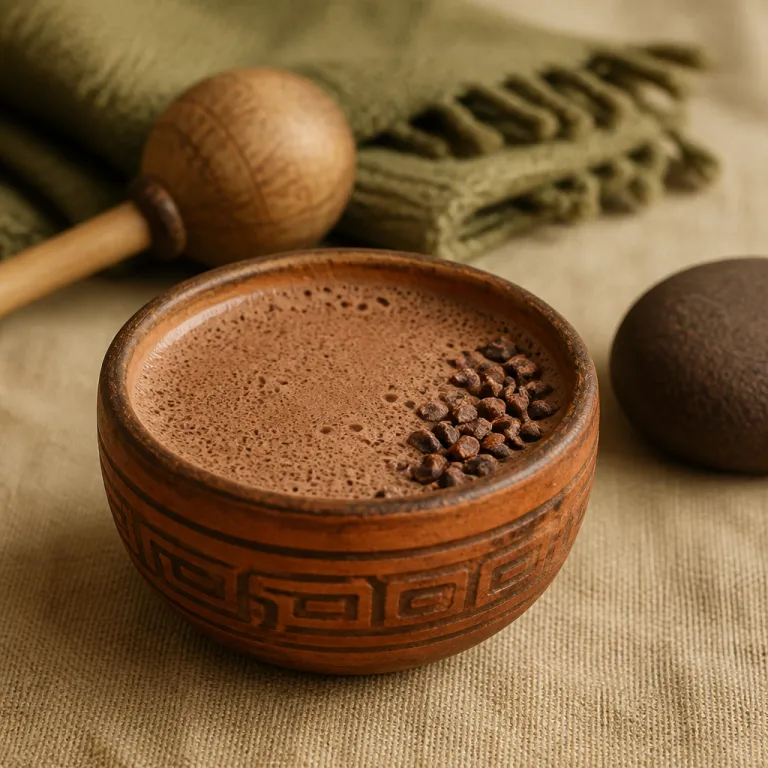
A cacao ceremony at Lake Atitlán is very different from a chocolate tasting in Guatemala City or any other urban setting. Here, cacao is treated as medicine and as a sacred drink that opens the heart, shared in circle while a Mayan spiritual leader guides intention setting, song and quiet reflection. As one local teaching shared by a Tz’utujil elder in San Juan states, “As a sacred drink to open the heart and connect spiritually, cacao asks you to listen more than you speak.”
Many wellness retreats around San Marcos la Laguna, often called the spiritual capital of the lake, integrate cacao ceremony into multi day yoga retreats and meditation programs. Some retreats Guatemala wide also combine cacao with other forms of plant medicine, but at Lake Atitlán the most grounded experiences keep the focus on cacao, breath, sound and the relationship between the lake, the volcanoes and Maya cosmology. When you book a yoga retreat or wellness retreat here, ask whether the ceremony is led by Maya elders, how the cacao is sourced, whether it comes from cooperatives such as ADIBA or regional smallholder networks, and how your payment supports local communities.
Ethical participation in Mayan wellness rituals around Lake Atitlán means understanding that you are stepping into someone else’s living tradition, not a wellness trend. Choose lakeside sanctuaries and wellness retreats that are transparent about their partnerships with local Mayan communities and that frame plant medicine as one element of a broader path of healing, not as a shortcut to transcendence. For a deeper sense of how high end stays can support cultural immersion across Guatemala, read this analysis of cultural immersions through luxury hotel booking before you book, and compare how different properties describe revenue sharing, training for local staff and long term community projects.
Sound baths, Mayan fire and the acoustic power of the caldera
Sound baths at Lake Atitlán use the natural acoustics of the volcanic basin to deepen relaxation and healing. A sound bath is described locally as “A meditative experience using sound vibrations for healing.” In practice, you lie on mats or cushions while practitioners play crystal bowls, gongs, flutes and traditional instruments that seem to echo off the crater walls and across the lake, mixing with the slap of waves against the dock and the distant call of boat engines.
At properties like Kawoq Forest or lakeside platforms in San Marcos and San Pedro, sound sessions are often paired with Mayan fire rituals held outdoors at night. During a Mayan fire ceremony, or mayan fire ritual, the guide builds a carefully arranged fire with colored candles, copal and offerings, then leads prayers for protection, gratitude and guidance while the group sits in silence or sings softly. These ceremonies can be part of longer wellness retreats or short evening experiences that you can book even if you are staying at a different retreat Guatemala property around the Guatemala lake, and some facilitators now share suggested donation ranges and community projects supported by each ceremony.
For luxury travelers used to polished spa playlists, the rawness of wind, water and live instruments at Lake Atitlán can feel surprisingly intimate. The best yoga retreats and wellness retreats here will integrate sound baths and Mayan fire work with yoga meditation, temazcal and cacao rather than treating each as a separate product. One solo traveler described lying on a wooden dock in San Marcos, listening to a Tz’utujil musician move between drum and flute, and realizing that the rhythm of the waves had become part of the ceremony itself. If you are comparing high end stays across the country, this detailed look at how Michelin level recognition changed service at Casa Palopó and Villa Bokeh on Guatemalan luxury properties offers useful context for what refined hospitality can look like alongside deep ritual, from multilingual ceremony briefings to private docks that allow quiet arrivals by boat.
Choosing your village, property and ritual: practical guidance for solo travelers
Each village around Lake Atitlán offers a different balance of ritual, rest and nightlife, which matters when you are planning Mayan wellness rituals Lake Atitlán stays. San Marcos la Laguna leans toward yoga retreats, meditation and plant medicine circles, while San Pedro La Laguna mixes language schools, bars and some yoga meditation spaces that suit travelers who want both ceremony and social life. Santa Cruz and San Juan La Laguna feel quieter and more rooted in daily Maya culture, with weavers, painters and Mayan spiritual leaders offering temazcal and fire ceremony experiences on a smaller scale, often coordinated through community tourism offices or women’s weaving cooperatives.
Most luxury travelers arrive via Guatemala City, then transfer by road to Panajachel before crossing the lake by private lancha to their chosen retreat lake property. When you book, ask your hotel to arrange boat transfers, clarify whether wellness retreat activities are included or à la carte and confirm if ceremonies are open to solo guests or only to full retreats. High end properties like Villa Sumaya or Kawoq Forest usually have English speaking staff who can explain the difference between a private temazcal, a group yoga retreat and a multi day program focused on healing and medicine, and many will share sample schedules so you can see how much unstructured time you will have.
Respect is the thread that will keep your experience aligned with local expectations and your own values. Dress modestly when moving through villages, especially near any Catholic church or community gathering, and ask before photographing ceremonies or people. Remember that Mayan wellness rituals Lake Atitlán still practices are part of how communities care for body, mind and life, not just a backdrop for your retreat photos, and that a simple “matyox” (thank you in Kaqchikel and K’iche’) can go a long way toward building trust.
How to evaluate authenticity and book Mayan wellness with confidence
Authenticity at Lake Atitlán is less about rustic aesthetics and more about who holds the ritual space. When you research retreats Guatemala wide, prioritize programs that name their Maya or Mayan facilitators, explain their lineage and describe clearly how ceremonies like temazcal, cacao and Mayan fire are structured. Avoid offers that promise instant enlightenment in a single day or that treat plant medicine as entertainment rather than as medicine embedded in community ethics, and be cautious of marketing that centers foreign teachers while relegating local guides to the background.
Before you book, read how each retreat Guatemala property speaks about local partners, from Mayan spiritual leaders to herbalists and musicians. Transparent wellness retreats will share how they compensate communities, how they limit group sizes and how they support cultural preservation alongside guest comfort. Look for language that frames wellness as a relationship with the lake, the land and the people, not just as a list of services like yoga retreats, sound baths and massages, and notice whether websites mention specific collaborations with cooperatives, youth groups or cultural associations in Sololá Department.
For solo travelers, the most rewarding Mayan wellness rituals Lake Atitlán offers often come through smaller group programs where you can ask questions and move at your own pace. Choose a wellness retreat or yoga retreat that leaves free time for quiet swims in the lake, walks through Sololá Department villages and unstructured conversations with locals about their life and beliefs. When you align your expectations with the rhythm of the lake and the depth of Maya tradition, every ceremony you join becomes less of a performance and more of a shared act of healing, and you leave with relationships rather than just photos and journal entries.
FAQ about Mayan wellness rituals at Lake Atitlán
What is a temazcal ceremony like at Lake Atitlán ?
A temazcal at Lake Atitlán takes place in a low stone or adobe dome heated with volcanic rocks, where a guide leads you through cycles of heat, herbal steam and guided breathwork in near darkness. Sessions usually last between 60 and 90 minutes and may include songs, prayers and moments to speak intentions or release emotions. You should wear a swimsuit or light clothing, hydrate well before and after and let the facilitator know if the heat feels too strong.
How is cacao used in Mayan ceremonies around the lake ?
Ceremonial cacao at Lake Atitlán is prepared as a thick, unsweetened drink made from locally grown beans, often lightly spiced and served warm in a circle. Participants drink slowly while a Mayan spiritual leader guides intention setting, meditation, song or gentle movement to support emotional opening. Unlike a chocolate tasting, the focus is on inner experience, connection and respect for cacao as a sacred plant medicine.
What should solo travelers wear and bring to ceremonies ?
For most Mayan wellness rituals at the lake, modest, comfortable clothing that covers shoulders and knees is appreciated, especially when moving through villages or near any Catholic church. For temazcal, a swimsuit or light quick drying clothes work well, while for fire ceremonies and cacao circles you may want layers, a shawl and a water bottle. Always bring cash in local currency for offerings or tips, and ask your retreat or hotel in advance if any specific items are requested.
How do I know if a retreat is respectful toward Maya communities ?
Respectful retreats clearly name their Maya facilitators, explain how they collaborate with local communities and avoid exaggerated promises about instant transformation. They usually limit group sizes, brief guests on cultural etiquette and frame plant medicine, temazcal and fire ceremonies as part of ongoing traditions rather than as exotic entertainment. Reading detailed program descriptions and asking direct questions about partnerships and community benefits before you book is the best way to assess alignment.
Is Lake Atitlán suitable for first time wellness travelers ?
Lake Atitlán works well for first time wellness travelers because many properties combine high comfort standards with access to authentic Mayan rituals. You can start gently with yoga, sound baths and guided meditation, then choose whether to join temazcal or cacao ceremonies once you feel ready. Working with a curated booking platform or hotel collection focused on Guatemala helps you match your comfort level with the right village, property and program.