Reading the guatemala coffee cacao harvest tourism calendar
Guatemala runs on altitude and harvest, not on abstract seasons. While Brazil's coffee harvest runs from May to September and Indonesia harvests coffee from June to September, Guatemala’s highland rhythm is cooler, slower and perfectly suited to business travelers stretching a city meeting into a guatemala coffee cacao harvest tourism escape. Think of your stay as a moving line between Antigua Guatemala, Lake Atitlán and the higher regions, where each week of the coffee harvest or cacao cycle changes what you taste in the cup.
From roughly November to March, the coffee harvest in Guatemala’s key region around Antigua and Lake Atitlán comes first, with coffee cherries turning a deep red on the coffee trees that stripe every hillside. Later in the season, higher and more remote regions such as Huehuetenango and Cobán keep the coffee production going, so a well planned farm tour can still show active picking when lower slopes are already dry and quiet. By May and June, the focus shifts from the rush of picking to the slower process work of sorting coffee beans, refining arabica varieties and cupping sessions that reveal why guatemala coffee has such a high quality reputation worldwide.
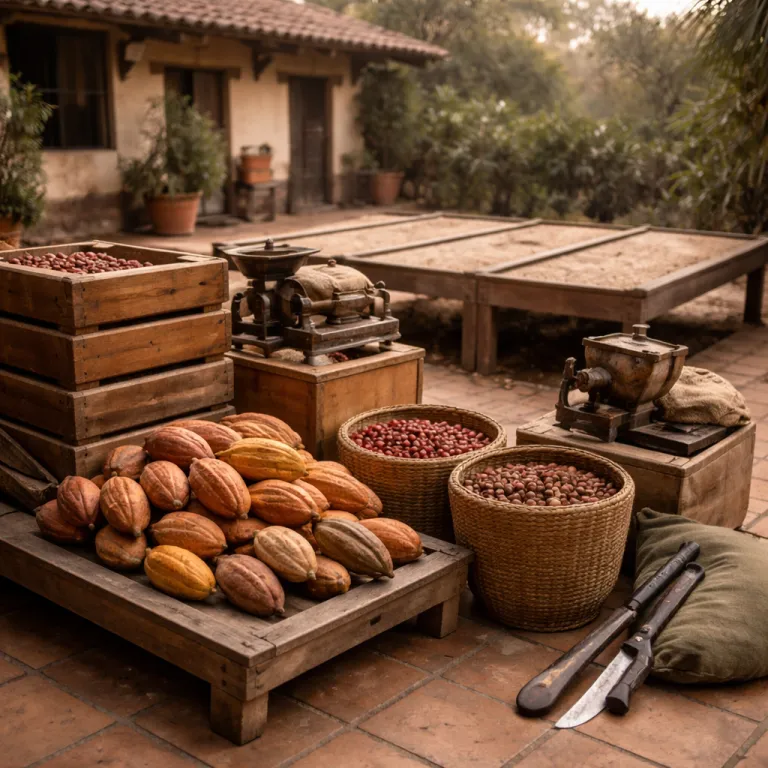
For guatemala coffee cacao harvest tourism, that post harvest window is often richer than peak season, because you see the full process rather than just the rush of the day’s pick. On a good coffee farm near Antigua Guatemala or Lake Atitlán, guides walk you from trees to beneficio, explaining how coffee beans are pulped, washed and laid out to dry in the sun. The same logic applies to cacao, where smaller fincas in the region around the city and the Pacific lowlands use quieter months to host longer tours, pairing a farm lunch with a structured tasting that links each cup of hot cacao to the exact plot of trees.
Hidden highland stays: from lake atitlan to working fincas
Lake Atitlán is where guatemala coffee cacao harvest tourism becomes a landscape, not just a tasting note. Around the lake, coffee trees climb from the waterline up to 1 800 metres, and a short boat ride can take you from a polished luxury hotel to a working coffee farm in under an hour. This is where a discreet farm tour, arranged through your concierge, lets you meet coffee farmers and the local gente who move the red coffee cherries from basket to beneficio before they dry on raised beds.
Choose a lakeside property that understands coffee tours as more than a photo stop, and ask for a private guide who can translate both language and process. Many of the best hotels now work directly with small fincas above San Juan or Santa Cruz, where you can walk the rows of trees, taste macadamia nuts from a neighbouring macadamia farm and finish with a curated cup of coffee antigua brewed from the same beans you saw being sorted. For a deeper dive into lakeside luxury options that pair well with these experiences, use a specialist resource such as this detailed reality check of luxury stays around Lake Atitlán to align service level with your preferred style of farm access.
During the main coffee harvest, a typical day might start with sunrise over the lake and end with a tasting flight of guatemala coffee, moving from lighter arabica varieties to denser, high quality microlots. Outside harvest months, the same fincas focus on the process, showing how coffee beans are graded, how defects are removed and how different drying methods change the final cup. Either way, guatemala coffee cacao harvest tourism here feels intimate, because the scale is small, the gente coffee culture is local and the city is far enough away that the only noise is the rustle of trees and the soft clatter of beans on drying patios.
Antigua’s urban edge: villa stays, macadamia groves and cacao menus
Antigua Guatemala is the natural base for guatemala coffee cacao harvest tourism when your primary reason for travel is business in Guatemala City. The drive from Guatemala City to Antigua takes around 60 to 90 minutes, yet the shift from corporate towers to cobbled streets and volcano views is immediate. Here, high end properties treat coffee and cacao as part of the city’s cultural fabric, not just a breakfast drink or dessert garnish.
One standout is Villa Bokéh on Antigua’s edge, where a dedicated Guatemalan cacao tasting menu shows how cacao can anchor an entire evening rather than just a single course. This Relais & Châteaux level property, reviewed in depth in this Villa Bokéh review, is an ideal urban anchor if you want to pair boardroom days in Guatemala City with evenings that lean into origin storytelling. From here, a driver can have you at a working coffee farm such as Filadelfia Coffee in under 20 minutes, where structured coffee tours walk you through the full coffee production chain, from red coffee cherries on the trees to the final cup.
Use Antigua as your base to sample both coffee antigua and cacao experiences in a single stay, timing your visit to match either the coffee harvest or the quieter post harvest cupping season. A half day excursion to Valhalla Macadamia, a long running macadamia farm just outside the city, adds another layer, showing how macadamia trees share the same volcanic soils as coffee trees and how diversified fincas support local gente through year round work. Back in town, ask your guide or concierge to arrange a focused cupping at a specialty bar that works directly with coffee farmers, where you can compare guatemala coffee from different region profiles side by side and understand why certain beans suit espresso while others shine as filter.
Designing a four day origin extension around your meetings
For business leisure travelers, the most efficient guatemala coffee cacao harvest tourism plan is to bolt a four day origin extension onto a three day Antigua and Guatemala City work trip. Start with two nights in the city for meetings, then shift to Antigua for three nights of villa calm, coffee tours and cacao dinners. From there, add a final two nights at Lake Atitlán or a highland finca stay, turning a standard itinerary into a coherent story that runs from boardroom to farm.
On day one of your extension, leave Guatemala City after your last meeting and head straight to Antigua, checking into a property that can arrange a private farm tour at short notice. Day two is for Filadelfia Coffee or a similar coffee farm, where you walk the rows of coffee trees, watch the process as coffee beans are pulped and laid out to dry, then sit down for a cupping that compares different arabica varieties and roast levels in the same controlled cup format. Day three can be lighter, with a morning visit to Valhalla Macadamia or another macadamia farm, followed by a cacao focused dinner that links each course to a specific region and explains how cacao and coffee harvest calendars intersect.
For the final day, either transfer to Lake Atitlán for a lakeside hotel and a more rural coffee farm experience, or head higher towards Acatenango country, using a specialist guide to choose where to sleep at altitude. If you are considering the volcano route, this detailed guide to where to sleep before the Acatenango climb helps you balance comfort with access, especially when early starts follow late cupping sessions. Structured this way, the trip justifies the long haul flight because every day adds a new layer of understanding, from the gente who pick the red cherries to the city barista who turns those beans into a high quality espresso that tastes of a specific region, finca and harvest.
FAQ
When is the best time to plan guatemala coffee cacao harvest tourism ?
The most active coffee harvest in Guatemala runs roughly from November to March, with Antigua and Lake Atitlán starting earlier and higher regions such as Huehuetenango and Cobán finishing later. If you want to see picking and red coffee cherries on the trees, aim for the middle of that window. For more educational cupping and process focused tours, May and June are excellent, because farms are quieter and guides have more time.
How does Guatemala’s harvest compare with Brazil, Ghana and Indonesia ?
Brazil’s coffee harvest generally runs from May to September, Ghana’s main cacao harvest from October to March and Indonesia’s coffee harvest from June to September. Guatemala’s key coffee regions overlap with these timelines but are shaped more by altitude than by strict calendar months. That means you can often see active coffee production in Guatemala even when other origins are between seasons.
Do I need to book coffee tours and farm visits in advance ?
Yes, you should always reserve coffee tours, cacao tastings and farm visits before you travel, especially during the peak coffee harvest months. Many high end hotels in Antigua, Guatemala City and Lake Atitlán work with specific fincas and tour operators, so your concierge can coordinate a private farm tour that matches your schedule. Booking early also helps farms plan staffing and ensures that your guide can tailor the experience to your level of knowledge.
What should I wear and bring for a coffee farm or macadamia farm visit ?
Wear closed shoes with good grip, light long trousers and a breathable shirt, because you will be walking on uneven ground between trees and drying patios. A hat, sunscreen and a light rain jacket are useful, as weather in coffee regions can shift quickly during the day. Bring a notebook if you are serious about guatemala coffee cacao harvest tourism, because cupping sessions move fast and you will want to record which beans, regions and processes you prefer.
Is guatemala coffee cacao harvest tourism suitable for a short business trip extension ?
Guatemala is particularly well suited to a short origin focused extension, because Antigua is close to Guatemala City and many coffee farms are within a 30 minute drive of luxury hotels. A four day add on can comfortably include a coffee harvest visit, a macadamia farm stop, a structured cupping and a cacao dinner without feeling rushed. This makes it an efficient way for executives to turn necessary travel into a high quality, origin driven experience that supports local farmers and communities.