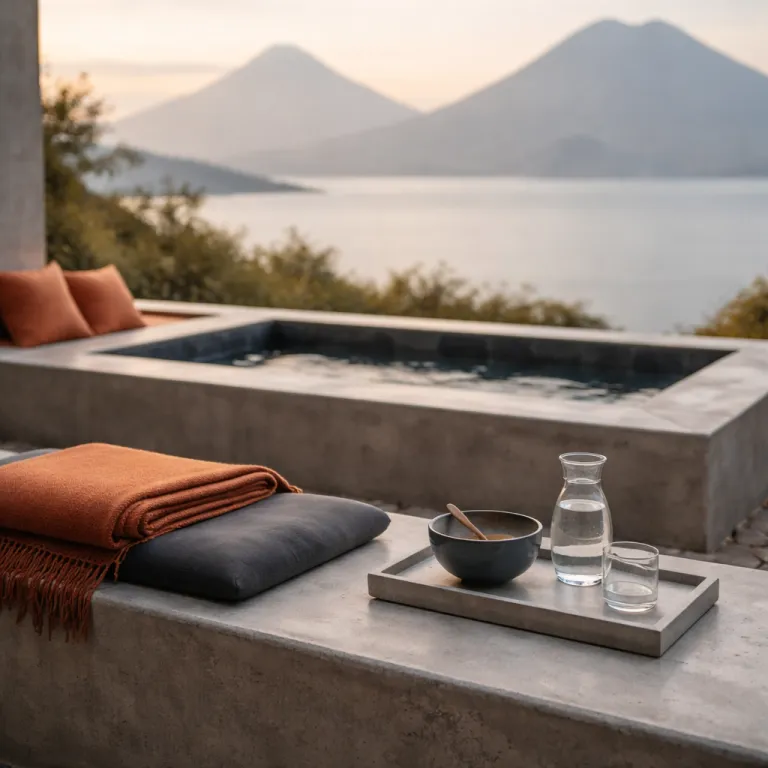
Why Lake Atitlán has become Central America’s quiet wellness capital
Lake Atitlán sits in a volcanic caldera at about 1,500 metres (around 4,900 feet), which gives every wellness retreat on the lake a particular clarity of light and cooler evenings than the lowlands. The combination of altitude, Maya villages and still water has turned this corner of Guatemala into a counterpoint to Tulum and Costa Rica for travelers who want depth more than beach clubs. For a solo guest planning a wellness retreat at Lake Atitlán, that mix of elevation, local culture and silence matters as much as the spa menu or the yoga schedule.
The lake itself is ringed by three main volcanoes, and most retreats choose a position either right on the shore or on the cliffs overlooking the water. Properties that lean into a structured retreat model tend to cluster around San Marcos la Laguna, Santa Cruz la Laguna and the quieter San Juan side, while more independent wellness hotels appear near Panajachel and in smaller coves. When you book a stay, think about whether you want to wake to yoga classes at dawn or prefer a private sauna session after a long day of exploring the villages and hiking trails.
Wellness travelers often speak about “energy” here, yet the practical details are what shape your experience of retreats on the lake. Altitude can make the first day of a yoga retreat feel heavier, especially if you fly into Guatemala City and transfer straight to Lake Atitlán without a pause. Plan at least one light day at the start of any Guatemala wellness itinerary, drink more water than usual, keep your first yoga classes gentle rather than ambitious and remember that your body may need extra rest during the first cool, high-altitude nights.
Retreat versus wellness hotel: how the lake villages really divide
On Lake Atitlán, a retreat usually means a fixed program with set dates, while a wellness hotel lets you dip in and out of classes as you wish. Around San Marcos, many retreat centers operate as closed campuses during group yoga retreats, which can leave independent travelers feeling like extras in someone else’s ceremony. If you want a flexible wellness stay at Lake Atitlán, look for properties that clearly welcome both structured programs and individual guests and that publish sample daily schedules so you can see how full your days might feel.
Casa Paloma, near San Marcos, is a good example of a retreat center that balances depth with accessibility. It has hosted yoga retreats, breathwork immersions and writing workshops for more than twenty years, yet it also opens selected dates for solo travelers who want a quieter night between larger programs across Guatemala. Typical nightly rates for simple rooms in this style of center often start around US$80–120 including meals and classes, while full retreat packages can range from about US$900 to US$1,800 per week depending on season and inclusions.
Villa Sumaya in Santa Cruz la Laguna leans more toward group formats, with seven-night programs for roughly twelve to fifty guests, but it sometimes offers shorter three or four day stays with à la carte yoga classes and spa sessions. By contrast, Loma de Atitlán above Tzununá was built specifically for solo resets rather than big group gatherings. Perched on a cliff overlooking the water and the surrounding volcanoes, it offers a sauna, daily movement classes and direct lake access without requiring you to join a ceremony schedule, with wellness-focused rooms commonly priced from about US$150 per night.
If you prefer a wellness hotel feel with strong design, Kula Maya near Panajachel positions itself as a lifestyle property with suites and domes, a full spa and the option to book tailored wellness packages much like other luxury hotels with pools in Guatemala described in this guide to refined relaxation experiences. Staff at properties in this category often describe their approach as “choose your own rhythm,” allowing you to combine spa rituals, lake time and cultural outings without committing to a fixed retreat calendar.
Where Maya ceremonies and plant medicine are handled with care
One of the most sensitive questions for any wellness retreat at Lake Atitlán is how it approaches Maya ceremony and plant medicine. Some centers work closely with local spiritual guides, while others stage ceremonies mainly for marketing photographs, which can feel hollow when you are sitting by the lake. As you book a stay, read carefully how each retreat center describes its ceremonies, who actually leads them and whether they explain how guests are prepared and supported before and after any ritual.
Villa Sumaya in Santa Cruz often integrates a traditional fire ceremony into its longer retreats, and it states clearly when local Ajq’ijab’ (Maya timekeepers) are involved. Casa Paloma and Kawoq Forest, both near San Marcos, tend to focus on yoga, meditation and breathwork first, then offer optional ceremonies for guests who want cultural context rather than a shortcut to plant medicine experiences. Lake Atitlán Retreats in Tzununá and similar nature-based centers in nearby forest settings also emphasise holistic wellness, combining yoga retreats with time outdoors instead of centering every program on medicine ceremonies or promising dramatic overnight transformation.
Guidance for guests from local facilitators is refreshingly direct here: “Activities include yoga, meditation, holistic therapies, cultural immersion, and outdoor adventures.” If you are curious about plant medicine, ask whether ceremonies are private or group based, how integration is handled the next day, what medical screening is required and whether there is a licensed health professional on call. Regulations around psychoactive plants vary by country and can change, so centers increasingly ask guests to complete health questionnaires and to disclose medications such as antidepressants before confirming a place.
For many solo travelers, a simple fire ceremony by the shore or a temazcal-style sweat lodge can be more grounding than a complex series of ceremonies squeezed into a three day stay. For a broader view of how Guatemalan luxury hotels handle spa and wellness beyond Lake Atitlán, you can read this in depth overview of spa and wellness experiences in Guatemala, which helps you compare lake properties with city and highland options and decide how much ceremony you want in your overall itinerary.
Altitude, water and the practicalities nobody tells you before you book
Lake Atitlán sits high enough that your body notices, especially when you combine a wellness retreat with early morning yoga and long sauna sessions. The first day can feel strangely heavy, and many guests underestimate how much the combination of altitude, heat and ceremony work can drain energy. Build in a free afternoon when you arrive, even if the retreat schedule looks tempting from the moment you step off the lancha, and remember that listening to your body is part of the retreat rather than a sign of weakness.
Hydration is your quiet ally at any wellness stay in Guatemala, but it matters even more around Lake Atitlán because the sun reflects off the water. Aim for at least two litres of water per day, more if you are joining strong yoga classes or hiking above the volcanoes. Most lakeside retreats provide filtered water for free, and some offer herbal infusions between sessions, so bring a reusable bottle and keep it close during every ceremony and class. From May to October, afternoon rains are common, while the drier months from November to April usually bring clearer skies and more stable lake conditions.
Sleep patterns can shift at altitude, which affects how you experience both yoga retreats and any plant medicine ceremonies. If you usually sleep eight hours, allow for a longer night during your first three evenings, and avoid stacking late ceremonies with very early yoga sessions. When you book, ask whether your room is uphill from the main shala, because climbing steep village paths after a long day of wellness can feel like an extra workout, especially if you are adjusting to the thinner air and cooler night temperatures at the same time.
Weather also shapes how you use the lake itself during a wellness itinerary. Mornings are usually calm, ideal for a quiet swim from a private dock or a paddleboard session overlooking the surrounding peaks, while afternoons can bring wind that makes crossings between San Marcos, Santa Cruz and Panajachel choppy. If you are sensitive to motion, plan your transfers and any free cancellation windows around calmer times of day rather than squeezing everything into one tight schedule, and confirm with your retreat or hotel how they handle delays caused by storms.
A five day solo wellness itinerary across two contrasting properties
For a solo traveler, the most balanced wellness retreat at Lake Atitlán often combines one structured retreat center with one flexible wellness hotel. Think of it as a three plus two model: three nights in a program, two nights of unstructured integration. This rhythm lets you enjoy the depth of retreats in Guatemala without feeling locked into a single schedule for your entire stay and gives you space to reflect on any ceremonies, coaching sessions or bodywork you choose to include.
Day one and day two work well at a focused property such as Casa Paloma or Lake Atitlán Retreats in Tzununá, where you can join morning yoga classes, afternoon meditation and an optional ceremony. You arrive, settle into your room overlooking the lake, keep the first day light and then lean into a fuller program on the second day. If your dates align with a yoga retreat, ask whether they accept individual guests for part of the program or prefer to host retreat groups exclusively during that period, and request a sample timetable so you can see how much free time you will have.
On day three, transfer by boat to Loma de Atitlán or Kula Maya for a more independent style of wellness. Loma de Atitlán offers a cliffside sauna, movement sessions and direct lake access that suit a quiet reset, while Kula Maya near Panajachel gives you spa treatments and easier access to restaurants in town. Both options work well if you want a private room, strong design and the freedom to book only the treatments and yoga offerings that appeal to you, with nightly rates at this level often starting around US$180–250 depending on room type and season.
Use day four for cultural immersion in the villages around the lake, perhaps combining a weaving visit in the San Juan area with a sunset swim near San Marcos or Santa Cruz. Our guide to cultural immersions for discerning travelers in Guatemala explains how to choose experiences that genuinely support local communities rather than staged encounters. On day five, keep your schedule free, enjoy one last slow breakfast overlooking the volcanoes and take a mid morning boat back toward Panajachel in time for your transfer to Guatemala City, allowing at least three to four hours for the drive plus a buffer for airport check-in.
How to choose and book the right Lake Atitlán wellness base
When you compare options for a wellness retreat at Lake Atitlán, start with your preferred balance between structure and freedom. If you want a fully held experience, look for a retreat center that publishes clear dates, outlines each day’s yoga, meditation and ceremony schedule and explains whether programs are open to solo guests. For more flexibility, choose a wellness hotel that offers daily yoga classes, a spa and lake access without requiring you to join a full program, and check whether you can add on private sessions such as massage, coaching or breathwork.
Location around the lake shapes your experience as much as the property itself. San Marcos is dense with yoga retreats and plant medicine offerings, which can feel vibrant or overwhelming depending on your mood, while Santa Cruz and Tzununá are quieter with strong lake views and easier access to nature. Panajachel works better if you want restaurants, shops and simpler logistics for a short night before or after your main wellness itinerary, especially if you are catching an early shuttle back to Guatemala City or onward to other regions.
From a booking perspective, solo travelers should pay attention to minimum stays, deposit policies and any free cancellation windows. Many centers ask for a deposit of 20–50% to secure a place on fixed date programs, while more hotel style properties may allow you to reserve with a credit card and pay on arrival. If you are planning around specific months such as June or July, check whether the property lists its dates as “Jun” or “Jul” on schedules, and confirm directly that your chosen Guatemala retreat program is running before you arrange flights or non-refundable transfers.
Finally, consider how comfortable you feel arriving alone at each property. Places like Loma de Atitlán and Kula Maya are designed to welcome solo guests with private rooms, quiet corners and staff who understand independent travelers, while larger centers such as Villa Sumaya excel when you join as part of a group. If you plan to host retreat groups in the future, a scouting trip that includes both a structured center and a more flexible hotel will give you a clear sense of how you might one day host retreat experiences of your own on the shores of Lake Atitlán and what kind of support team you would want around you.
FAQ about wellness and retreats at Lake Atitlán
What types of activities can I expect at Lake Atitlán wellness retreats ?
Most wellness retreats at Lake Atitlán offer a mix of daily yoga, guided meditation, holistic therapies such as massage or energy work and time for quiet reflection by the lake. Many centers add cultural immersion, from Maya fire ceremonies to weaving visits in nearby villages. Outdoor adventures like hiking above the volcanoes or kayaking along the shore are also common, and some programs include optional temazcal sessions, sound healing or breathwork circles.
Are Lake Atitlán retreats suitable for beginners in yoga or meditation ?
Retreats around the lake generally welcome all levels, including complete beginners. Teachers at centers such as Casa Paloma, Villa Sumaya and Lake Atitlán Retreats are used to mixed groups and usually offer modifications during yoga classes. If you are new to practice, choose a program described as gentle or all levels rather than advanced training, and let your instructor know about any injuries or health concerns during the opening circle.
How many days should a solo traveler plan for a wellness stay ?
A five day itinerary works well for most solo guests, allowing one light arrival day, three full program days and one integration day before departure. If you are combining a structured retreat center with a more flexible wellness hotel, consider three nights in each for a deeper reset. Shorter two or three day stays are possible, but altitude and travel time can make them feel rushed, especially if you are flying in and out of Guatemala City on tight schedules.
When is the best time of year to visit Lake Atitlán for wellness ?
Wellness retreats at Lake Atitlán run throughout the year, with many guests preferring the drier months for clearer skies and calmer lake conditions. Even in the rainy season, mornings are often bright and suitable for yoga and outdoor activities. Because programs can fill quickly, it is wise to book a stay several months ahead, especially for popular yoga retreats, and to check whether your chosen dates fall on local holidays or festivals that might affect transport.
How do I get from Guatemala City to my retreat on Lake Atitlán ?
Most travelers fly into Guatemala City, then take a private shuttle or car to Panajachel on the lake, which usually takes around three to four hours depending on traffic. From Panajachel, your chosen property will typically arrange a private or shared boat transfer to villages such as San Marcos, Santa Cruz or Tzununá. Confirm arrival instructions, approximate transfer costs and any late night policies with your retreat center before you travel, and ask whether they recommend arriving a day early in the city if your international flight lands late.
