Elegant ways to enjoy the best things to do in Guatemala
Planning what to do in Guatemala starts with understanding its refined side. Luxury travelers want the best things curated into a seamless itinerary that balances comfort, culture and nature. When you plan your trip this way, every day feels purposeful yet unhurried.
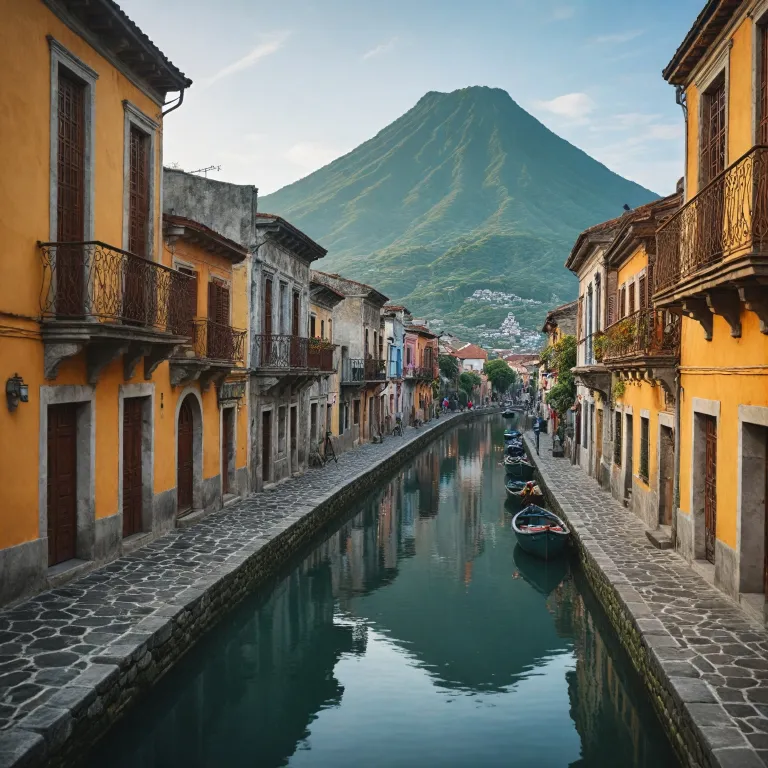
Begin in Antigua Guatemala, where cobblestone streets, pastel facades and baroque ruins create a graceful setting. This historic city is one of the best things Guatemala offers for travelers who value architecture, gastronomy and charming plazas in a compact, walkable city. Many premium properties here provide quiet courtyards, attentive service and curated day tours that make Antigua feel like your private estate.
From Antigua, it is easy to arrange a day tour to nearby coffee regions or a gentle volcano viewpoint. Luxury travelers often combine Antigua Guatemala with Lake Atitlán, creating a classic atitlan Antigua pairing that blends colonial elegance with lakeside serenity. When you consider what to do in Guatemala, this combination delivers both cultural depth and natural drama.
Thoughtful Guatemala travel also means choosing the right time of year for your style. The dry season is generally considered the best time to visit Guatemala, especially if you plan a volcano hike or long lake crossings. Whether you focus on Antigua, Guatemala City or Lake Atitlán, a premium hotel booking platform can help you find refined stays that match your expectations.
Antigua, Guatemala City and refined urban experiences
For many visitors, the answer to what to do in Guatemala begins with its cities. Antigua Guatemala offers atmospheric streets, artisan shops and refined restaurants, while Guatemala City provides museums, business services and upscale districts. Combining both cities allows you to experience different sides of Guatemalan life in a single trip.
In Antigua, you can spend a relaxed day exploring churches, markets and hidden courtyards. Curated walking tours highlight the best things Antigua offers, from traditional textiles to contemporary design studios. A luxury hotel booking website helps you find properties near the main plaza or in quieter neighborhoods, depending on how you like to experience a historic city.
Guatemala City, often overlooked in lists of fun things to do, rewards travelers who appreciate culture and gastronomy. Here you can visit leading museums, dine at innovative restaurants and arrange a day tour to nearby archaeological sites. When planning what to do in Guatemala City, consider combining business meetings with a refined evening in the city’s most elegant districts.
For travelers comparing Guatemala best urban stays, a specialized platform can filter premium hotels with strong security, reliable transport links and concierge services. To refine your itinerary further, consult curated guides to Guatemala tourist spots for refined stays and memorable journeys. This approach ensures that every Guatemala visit balances efficiency, comfort and authentic Guatemalan character.
Lakes, volcanoes and serene nature around Lake Atitlán
When travelers ask what to do in Guatemala beyond the cities, Lake Atitlán usually appears at the top of any refined list. This deep lake, ringed by volcanoes and traditional villages, offers a calm setting for slow travel and thoughtful experiences. Many luxury hotels here provide private docks, spa facilities and panoramic terraces facing the water.
Staying on Lake Atitlán allows you to plan both active and restful days. One day you might take a gentle lake atitlan boat tour between villages, while another day you relax at your property with Guatemalan coffee and a book. Premium booking platforms help you find lakeside suites where every room frames the lake and volcano silhouettes.
Among the best things to do here, a guided hike above the lake at sunrise offers unforgettable views. Travelers often combine a moderate volcano hike with a visit to San Juan, a village known for cooperatives, murals and traditional weaving. These activities show why Lake Atitlán is considered one of the Guatemala best regions for meaningful, low impact travel.
From Lake Atitlán, some guests continue toward the Caribbean coast for a different atmosphere. Refined guides to Livingston Guatemala as a refined Caribbean escape help you extend your trip with coastal relaxation. Whether you stay by the lake or continue onward, thoughtful Guatemala travel planning ensures that nature, culture and comfort remain in balance.
Volcano hikes, Semuc Champey and active adventures in comfort
For travelers who enjoy active days, what to do in Guatemala often centers on volcanoes and jungle landscapes. The country offers everything from gentle walks on Pacaya to demanding ascents like the Acatenango volcano. A luxury hotel booking website can connect you with operators who prioritize safety, comfort and small group experiences.
Before any volcano hike, it is essential to check current activity reports and weather. As experts note, “Check the activity status of volcanoes before planning hikes.” This guidance is especially important if you plan to climb the Acatenango volcano, where altitude, temperature and conditions require proper gear and experienced guides.
Beyond volcanoes, Semuc Champey is another highlight when considering the best things Guatemala offers for nature lovers. Reaching Semuc Champey requires time and planning, so many travelers choose premium lodges that provide comfortable transfers and guided day tours. Floating in turquoise pools by day and returning to a refined room at night creates a balanced adventure.
Along the way, you may encounter a colorful chicken bus, the traditional local transport that fascinates many visitors. While some travelers ride a chicken bus for the cultural experience, others prefer private transfers arranged through their hotel. Either way, thoughtful Guatemala travel planning lets you choose how immersive or comfortable each segment of your trip should feel.
Cultural immersion, Guatemalan flavors and refined local experiences
Understanding what to do in Guatemala also means engaging with its living culture. Refined travelers increasingly seek experiences that support local communities while maintaining comfort and safety. Community based tourism initiatives, often supported by national institutions, help channel tourism income into education and conservation.
One of the best things Antigua and Lake Atitlán offer is the chance to join a cooking class in a Guatemalan home or dedicated culinary studio. During such a cooking class, you learn to prepare traditional dishes, taste regional ingredients and understand how food shapes daily life. These sessions often become favorite memories of a Guatemala visit, especially when combined with market tours.
Coffee is another essential part of any Guatemala travel plan. Visiting a coffee farm near Antigua or Lake Atitlán allows you to follow the bean from plant to cup, guided by local experts. Many premium hotels can arrange a private coffee farm tour, followed by a curated tasting of high altitude Guatemalan coffee.
Even simple pleasures, like sharing ice cream on a plaza bench, become meaningful when you slow your pace. Between structured day tours, leave time to wander markets, talk with artisans and observe daily rhythms. This balance of planned activities and spontaneous moments helps you find the fun things that feel authentic rather than staged.
Planning refined itineraries and choosing premium stays in Guatemala
When mapping what to do in Guatemala across several regions, structure your itinerary around a few key hubs. Antigua Guatemala, Lake Atitlán and Guatemala City form a natural triangle for many first time visitors. From these bases, you can add extensions to Semuc Champey, Tikal or the Caribbean coast according to your available time.
Luxury and premium hotel booking platforms simplify the process of comparing properties across these destinations. You can filter by lake access, volcano views, spa facilities or proximity to historic centers, depending on your priorities. For inspiration on refined stays in colonial settings, curated guides to elegant places to stay in Antigua are particularly helpful.
Thoughtful Guatemala travel also considers logistics between regions. Private transfers between Antigua and Lake Atitlán, or between Antigua and Guatemala City, save time and add comfort compared with a chicken bus. Many premium hotels coordinate these services directly, turning travel days into relaxed transitions rather than stressful journeys.
As you refine your list of best things to do, keep a balance between activity and rest. Alternate a demanding volcano hike or long day tour with a quieter day by the lake or in a shaded courtyard. This rhythm ensures that your Guatemala visit feels restorative, even when you cover several regions in a single trip.
Practical guidance, safety and trusted resources for Guatemala travel
Designing an elegant itinerary around what to do in Guatemala also involves safety and reliable information. National institutions and local operators work together to promote responsible tourism and protect natural areas. Engaging licensed guides and established agencies adds a layer of assurance, especially for remote regions or challenging hikes.
When planning a volcano hike, experts emphasize caution and preparation. As one advisory notes, “Is it safe to hike active volcanoes in Guatemala? While popular, it's essential to check current volcanic activity reports and hire experienced guides.” This advice applies whether you are considering Pacaya, the Acatenango volcano or other peaks near Antigua.
For nature reserves and protected areas, the National Council of Protected Areas manages regulations and conservation efforts. Their work helps ensure that places like Semuc Champey, Lake Atitlán and other fragile ecosystems remain viable for future Guatemala travel. Respecting local rules, packing out waste and following guide instructions are simple ways to support these goals.
To refine your understanding of what to do in Guatemala at different times of year, consult national tourism resources and reputable travel advisors. They can help you find the best time for your interests, whether that means clear volcano views, cultural festivals or quieter lake villages. With careful planning and trusted partners, your Guatemala visit can be both luxurious and responsibly grounded.
Key statistics for planning what to do in Guatemala
- Annual visitors to Xetulul Theme Park : 1 000 000 people.
- Elevation of Pacaya Volcano : 2 552 meters above sea level.
- Length of Candelaria Caves main gallery : 22 kilometers.
Frequently asked questions about what to do in Guatemala
What are the must-visit Mayan ruins in Guatemala?
Tikal, Yaxhá, and Quiriguá are among the top Mayan ruins to visit. These sites can be integrated into a broader itinerary that also includes Antigua Guatemala, Lake Atitlán and Guatemala City. Many premium tour operators offer multi day packages that combine archaeological visits with refined accommodation and comfortable transport.
Is it safe to hike active volcanoes in Guatemala?
While popular, it's essential to check current volcanic activity reports and hire experienced guides. Reputable operators provide proper equipment, clear briefings and contingency plans in case conditions change. Choosing guided hikes through your hotel or a trusted platform adds an extra layer of safety and comfort.
What is the best time to visit Guatemala?
The dry season, from November to April, is generally considered the best time to visit. During these months, you are more likely to enjoy clear views of Lake Atitlán and surrounding volcanoes. However, shoulder seasons can offer fewer crowds and attractive rates at many luxury and premium properties.
Trusted resources : Guatemalan Institute of Tourism (INGUAT) ; National Council of Protected Areas (CONAP) ; Institute for the Recreation of Guatemalan Private Industry Workers (IRTRA).
