How the seasons shape the best time to go to Guatemala
Choosing the best time to go to Guatemala is essential when you plan a luxury or premium hotel stay. The country has a marked dry season and wet season, and each season changes how you travel, where you visit, and which experiences feel truly exceptional. When you plan carefully around climate, crowds, and local events, you can align your expectations with real conditions on the ground.
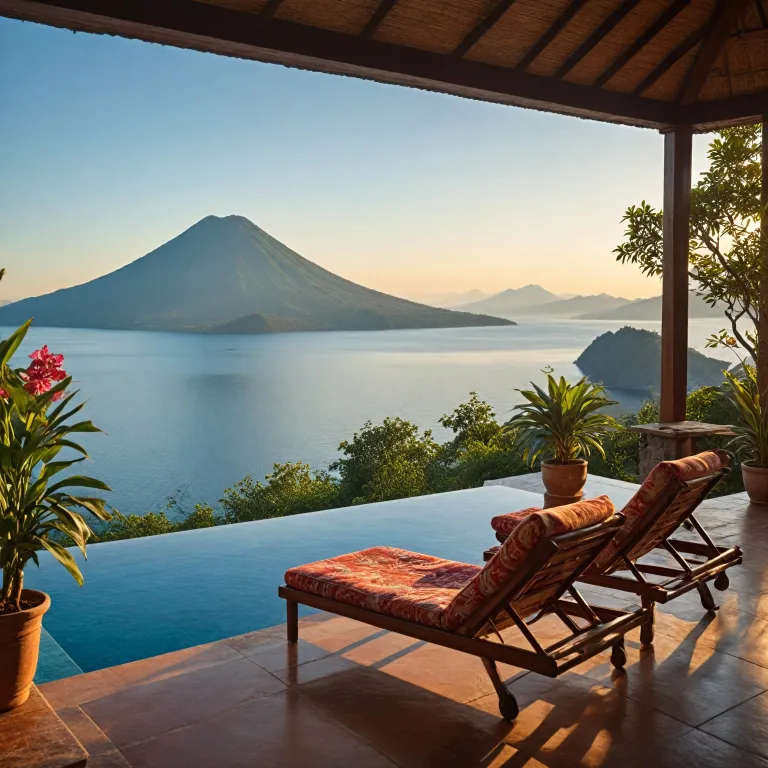
Guatemala’s dry season runs roughly from November to April, bringing warm days around 25 °C and relatively low rainfall that suits high end properties with outdoor pools, rooftop terraces, and volcano views. During this period, many travelers consider December through February the best months to visit Guatemala, yet this high demand means you should avoid waiting too long to fill your reservation requests. Peak conditions also mean you must read cancellation rules closely and contact your chosen hotel early to secure the room category you want.
The wet season from May to October does not mean you should avoid Guatemala, especially if you value quieter resorts and more attentive service. Mornings are often clear, while afternoon showers refresh the highlands and lowlands, so you can still travel comfortably if you plan activities early in the day and allow time to wait out brief storms. Luxury hotels use this season to enhance wellness offerings, private dining, and in house cultural content travel, which can turn a rainy afternoon into a memorable part of your visit.
Balancing weather, crowds, and price for premium stays
For many guests, the best time to go to Guatemala is when weather, crowd levels, and nightly rates are in harmony. Peak tourist periods, especially December through February and around Easter in March or April, bring vibrant energy but also higher prices and limited availability in the most sought after suites. If you want to visit Guatemala during these dates, you should fill booking forms early and avoid last minute decisions that restrict your options.
For a more relaxed rhythm, November and April often offer a sweet spot between the high season and the wetter months. These shoulder periods can be the best compromise for travelers who value comfort, safety, and privacy, yet still want mostly dry conditions for lake cruises, archaeological excursions, and high altitude hikes. Many premium hotels quietly release a list of added value benefits during these months, such as spa credits or late check out, which reward guests who read offers carefully and contact reservations directly.
Luxury travelers should also consider how personal rights and expectations intersect with local conditions and hotel policies. During busy periods, strict rules on minimum stays, prepayment, and changes are common, so always read the privacy policy and booking conditions before you confirm. When you understand the season, the likely time of day for rain, and the specific cancellation windows, you can travel with confidence and focus on the main content of your trip rather than administrative details.
Climate nuances between highlands, lakes, and coasts
The best time to go to Guatemala also depends on which regions you plan to visit and how you like to travel. The highlands around Antigua and Lake Atitlán enjoy cooler temperatures, while the Caribbean and Pacific coasts feel warmer and more humid throughout the year. This diversity means you should avoid a one size fits all approach and instead match each destination to the season that suits it best.
In the highlands, dry season days are pleasantly warm with cool evenings, ideal for luxury hotels that offer firelit lounges, panoramic terraces, and high quality linens. During the wet season, afternoon showers are common, yet mornings often remain clear enough for volcano hikes, market visits, and lake crossings, especially if you start your activities ahead of the midday peak. Always carry a light jacket and compact umbrella, because conditions can change quickly at higher altitude and you will appreciate the extra safety and comfort.
On the Caribbean and Pacific coasts, humidity rises in the wet season, but ocean breezes and well designed resorts help maintain comfort. Many premium properties use shaded pools, spa pavilions, and smart room layouts to keep indoor temperatures pleasant even when outside feels intense. When you read hotel descriptions, look for details about ventilation, air conditioning, and accessibility features, and if anything is unclear, contact the property directly to ask how they manage seasonal conditions for guests with specific needs.
Seasonal safety, rights, and accessibility considerations
When evaluating the best time to go to Guatemala, you should integrate safety, personal rights, and accessibility into your planning. Seasonal weather patterns influence road conditions, flight schedules, and even the ease of reaching remote luxury lodges or lakefront villas. During the wet season, heavy afternoon rain can affect travel time, so it is wise to avoid tight connections and allow extra time between transfers.
Reputable hotels and drivers monitor official advisories and adjust routes when necessary, especially in highland areas where landslides may occasionally occur. It is important to read the safety information provided by your hotel and to contact them if you have questions about specific routes, late night arrivals, or private transfers. The Guatemalan Tourism Institute (INGUAT) and the National Meteorological Institute support these efforts by sharing climate data and travel guidance with hospitality partners across Guatemala.
Accessibility also varies with season, particularly for guests who use mobility aids or prefer step free access. When rain is frequent, ramps, paths, and outdoor elevators require more maintenance, so you should ask hotels how they ensure safe circulation in all conditions. Before you fill any online form, check that the website allows you to skip main navigation easily, presents the main content clearly, and explains how your data is handled in the privacy policy, because these details signal a professional approach that usually extends to on site guest care.
Booking strategies for luxury hotels in peak and off peak periods
Strategic booking is crucial when you decide the best time to go to Guatemala for a high end stay. During peak periods such as December, January, February, and Semana Santa in March or April, the most desirable suites and villas can sell out months in advance. To avoid disappointment, create a list of preferred properties, read their conditions carefully, and contact them directly to confirm availability and any seasonal offers.
Many luxury hotels in Guatemala adjust minimum stay rules, deposit requirements, and cancellation windows according to season. In high demand weeks, you may need to fill payment details earlier and wait longer for flexible terms, while in quieter months you can often negotiate more generous rights regarding changes. Always ensure that the privacy policy explains how your financial data is stored and that confirmation emails clearly summarize the main content of your reservation, including transfer times and any included experiences.
Off peak months in the wet season can be the best opportunity for immersive stays focused on wellness, gastronomy, and culture. For inspiration on how premium properties curate meaningful experiences, you can read this article on cultural immersions through luxury and premium hotel booking websites in Guatemala. During these quieter periods, staff have more time to personalize your visit, adjust activities to daily weather conditions, and ensure that every hour you spend on property feels tailored to your preferences.
Aligning festivals, culture, and personal preferences
Cultural events strongly influence the best time to go to Guatemala, especially for travelers who value immersive experiences. Semana Santa in Antigua is one of the most significant celebrations in Latin America, drawing visitors who wish to visit Guatemala for its processions, carpets of flowers, and intense spiritual atmosphere. Peak demand during this period means you should avoid late planning, fill your booking details early, and accept that high season conditions will shape both price and availability.
Throughout the year, regional festivals, markets, and artistic events add depth to any travel itinerary. When you read hotel blogs or curated content travel, pay attention to how properties integrate local culture into their programming, from private tours of historic centers to chef led visits to markets. These experiences often depend on weather and daylight time, so aligning your dates with both the season and the event calendar will help you get the best value from your stay.
When planning, remember that “During the dry season (November to April), expect warm days averaging around 77°F (25°C) with minimal rainfall, ideal for outdoor activities. The wet season (May to October) brings afternoon showers, especially in the lowlands; mornings are typically clear, making early activities preferable. Peak tourist periods include December through February and around Easter; booking accommodations in advance is recommended during these times. For a balance between favorable weather and fewer crowds, consider visiting in November or April. Always carry rain gear, as weather can be unpredictable, especially in the highlands.” This guidance, combined with your own preferences for crowds, climate, and cultural intensity, will help you choose the moment that feels personally right.
Practical tips for using luxury booking websites effectively
Once you have chosen the best time to go to Guatemala, the way you use luxury booking websites will shape your overall experience. Start by checking that the platform allows you to skip main navigation elements and reach the main content quickly, which improves accessibility and signals thoughtful design. Then read each property description slowly, noting how they explain seasonal conditions, safety measures, and any special rules that apply in high demand periods.
Before you fill in your personal details, verify that the privacy policy is easy to read and clearly states your rights regarding data use and contact preferences. A professional site will list transparent terms, explain how long information is stored, and provide a direct contact channel if you need assistance with accessibility or special requests. These elements are especially important when you travel with family members who have mobility needs or health considerations that may be affected by weather and altitude.
Finally, use the site’s filters to align your stay with the season you have selected. In dry months, prioritize properties with extensive outdoor spaces, high viewpoints, and open air dining, while in wetter months you may prefer hotels with strong indoor wellness offerings and flexible activity planning. By combining accurate knowledge of Guatemala’s seasons with careful reading of online content travel, you can avoid common pitfalls and secure a stay that feels both luxurious and perfectly timed.
Key statistics about the best time to go to Guatemala
- Average temperature during the dry season in many regions of Guatemala is approximately 25 °C, which suits outdoor pools, terraces, and open air dining.
- Average rainfall during the wet season reaches around 200 mm per month, with showers typically concentrated in the afternoon and early evening.
- Tourist arrivals in December can reach about 150 000 visitors, which significantly increases demand for luxury and premium hotel rooms.
Frequently asked questions about the best time to go to Guatemala
What is the best month to visit Guatemala?
December through February offer the most stable weather, but also attract the most tourists. For fewer crowds with still favorable weather, consider November or April. These months often provide a good balance between comfortable conditions, availability, and pricing in luxury hotels.
Is it safe to travel to Guatemala during the wet season?
Yes, it is generally safe to travel to Guatemala during the wet season, provided you plan carefully. While afternoons may have showers, mornings are usually clear, so schedule outdoor activities earlier in the day and keep flexible time in your itinerary. Carry light rain gear, follow local advice on road conditions, and stay in reputable properties that monitor weather and adjust logistics when necessary.
Are there any major festivals in Guatemala that travelers should be aware of?
Yes, Semana Santa (Holy Week) in March or April is a major event, especially in Antigua, and it draws visitors from around the world. During this period, luxury and premium hotels often reach full occupancy, so advance booking is essential if you wish to attend. Other regional festivals and cultural events occur throughout the year, and aligning your travel dates with them can add depth and meaning to your stay.
