Reading the lake: how village character shapes your retreat
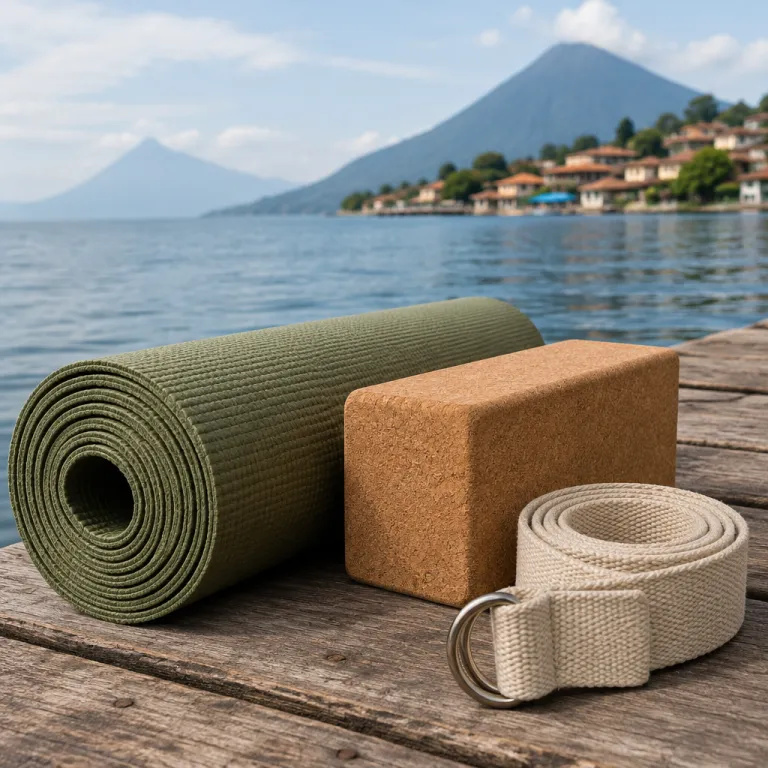
Lake Atitlán in Guatemala is a volcanic amphitheater where each village feels like a different yoga room opening onto the same shimmering lake views. Around Lake Atitlán Guatemala, the choice between San Marcos, Santa Cruz, San Pedro or quieter hamlets will shape your yoga retreat experience far more than the timetable on any flyer. Think of the lake as a necklace of small worlds, and your task as a solo traveler is to choose which world you want to wake up in each day.
San Marcos La Laguna has become the shorthand for a yoga retreat on the lake, with wooden yoga platforms suspended above the water and a dense calendar of yoga classes, meditation sessions and cacao ceremony gatherings. San Pedro feels more like a backpacker town with nightlife, Spanish schools and a few solid yoga offerings, while Santa Cruz leans toward discreet lakeside wellness retreats with polished service and curated menus. Jaibalito and the smaller hamlets offer a quieter retreat Guatemala option, where you can practice yoga in simple shalas and then slip back to a lakefront room with almost no noise after dark.
Across the Lake Atitlán shoreline, retreat centers and high end lodges often work closely with local communities, blending Mayan tradition with contemporary wellness in ways that feel grounded rather than staged. Industry reports on wellness travel in Central America suggest that a clear majority of retreat guests here arrive on their own, and most centers arrange airport transfers and local transport, which means you can confidently book a stay without needing to navigate every shuttle and boat yourself. Your decision becomes less about logistics and more about whether you want a structured yoga retreat with three daily classes, a flexible drop in class rhythm, or a hybrid stay that pairs lake time with cultural excursions.
San Marcos La Laguna: meditation hub on the water
San Marcos La Laguna is the village most travelers picture when they imagine a yoga retreat on Lake Atitlán, and that reputation is deserved. Narrow stone paths weave between cafés, cacao ceremony spaces and retreat center gates, leading down to wooden docks where you can sit with your feet in the lake at dawn. The upper hillside holds simple homes and a few rooms with wider lake views, while the lower path concentrates most yoga retreats and wellness venues.
Here, yoga classes are easy to fold into any day, whether you are on a structured retreat or simply staying in a lakeside room and dropping into a class when the mood strikes. Local centers typically charge the equivalent of around 5 USD per yoga class in San Marcos, which makes it realistic to practice once or twice a day without committing to a full residential program. Many yoga teachers rotate through the village, so you can sample Atitlán yoga styles from slow, alignment based sessions to more vigorous vinyasa, and then balance the effort with a guided meditation in a quiet garden.
San Marcos is also where you will find some of the lake’s most iconic yoga platform decks, including the eagle nest style terraces that seem to float above the water. At Eagle’s Nest, for example, recent sample pricing for a three night yoga retreat package has been listed a little above 500 USD, including classes, meals and a shared room, which gives you a benchmark for mid range retreat Guatemala costs (always check current rates directly, as prices change by season). If you prefer more seclusion, look for a retreat center slightly above the main path, where you can enjoy a private sauna, a cacao ceremony at sunset and a calm nest like stay while still walking down to the dock in under ten minutes; for travelers who love historic estates, the lakeside calm here pairs beautifully with inland hacienda experiences such as the colonial country properties featured in the Antigua area hacienda stays guide.
Santa Cruz, Jaibalito and San Pedro: matching vibe to budget
Move east along the lake and Santa Cruz La Laguna quickly signals a different rhythm from San Marcos, with steep paths, stone steps and lodges that feel like private lake houses. This is where luxury leaning travelers often base their Lake Atitlán yoga itinerary, sleeping in Santa Cruz for the refined room and restaurant scene while taking a boat to San Marcos for specific yoga classes or a cacao ceremony. Santa Cruz excels at discreet service, strong kitchens and curated wellness menus, while still offering easy access by boat to more experimental plant medicine circles across the water.
Jaibalito, a tiny cove between Santa Cruz and Tzununá, is one of the best kept secrets for solo travelers who want silence and a direct relationship with the lake. Local guides and long term residents often answer the question “Which village is best for silence and meditation?” with “San Marcos and Jaibalito”, which matches what many repeat guests report after extended stays. Here you might practice yoga on a small platform at sunrise, then spend the rest of the day reading by the water, taking a short hike or joining a low key evening meditation before dinner.
San Pedro La Laguna, by contrast, is louder, cheaper and more social, with bars, language schools and a younger crowd that often stays up late. It is not the obvious choice for a deep yoga retreat, but it can work if you want affordable rooms, easy café culture and the option to take a yoga class or two between volcano hikes. Families or birders who split their time between wellness and nature often combine a few nights on the lake with highland cloud forest stays, using resources like the guide to cloud forest lodges where quetzals are often seen to plan a second stage of their Guatemala journey.
Drop in yoga, full retreats and what a week really costs
For a solo traveler, the first decision is whether you want a fully programmed yoga retreat or the freedom of drop in yoga classes around Lake Atitlán. A residential yoga retreat package in San Marcos or Santa Cruz usually includes three daily sessions, meals, a shared or private room and sometimes extras like a sauna evening or a guided cacao ceremony. Drop in yoga classes, by contrast, let you build your own rhythm, mixing a morning practice session with long afternoons exploring villages or simply swimming in the lake.
Budget wise, a mid range residential retreat Guatemala program in San Marcos or Santa Cruz often runs between the cost benchmark of Eagle’s Nest and higher end lakefront lodges, especially if you choose a private room with strong lake views. Factor in that many retreats include airport transfers from Guatemala City, which reduces the stress and extra cost of arranging shuttles and boat taxis on your own. If you prefer to book your stay independently, you can combine a 5 USD yoga class in San Marcos with a comfortable room in a premium guesthouse, eating in local restaurants and perhaps adding one or two plant medicine or cacao ceremony experiences during the week.
Think in terms of three layers of spending for a week on the lake: accommodation, yoga and wellness activities, and transport between villages. Public boat taxis typically charge around 25 quetzales per person for a ride from Panajachel to Santa Cruz or San Marcos, with shorter hops between villages costing less, so moving between retreats lakeside is affordable if you keep an eye on departure times. Many solo travelers pair a week of Atitlán yoga with a few nights elsewhere in Guatemala, sometimes at refined coastal resorts such as those highlighted in the Guatemala beach resorts for refined coastal escapes guide, creating a two center trip that balances lake calm with ocean air.
Boat taxis, safety and choosing your perfect lakeside nest
Life on Lake Atitlán runs on boat time, and understanding that rhythm will shape how you plan your yoga retreat itinerary. Public lanchas shuttle between Panajachel, Santa Cruz, Jaibalito, Tzununá, San Marcos, San Juan and San Pedro from early morning until late afternoon, with fewer boats running as the light fades and the afternoon wind (known locally as the Xocomil) can make the water choppier. As a solo traveler, you will usually share the boat with locals commuting between villages, other guests heading to a retreat center and the occasional yoga teacher carrying a mat and a bag of cacao.
For safety and comfort, most high end retreats on the shore recommend avoiding the very last boats of the day, when wind can pick up and visibility drops. It is wise to arrive at your chosen nest village by early afternoon, giving yourself time to check into your room, orient around the dock and perhaps join an evening meditation or gentle yoga class. Many properties will arrange a private boat if your shuttle from Guatemala City arrives late, but that adds to the total retreat Guatemala cost, so confirm timing when you book your stay.
When you picture your ideal nest on the lake, be specific about how you want to move through each day. Do you want to roll out of bed and step straight onto a yoga platform above the water, or are you happy to walk ten minutes uphill to a quiet eagle nest style terrace with wider lake views and a private sauna? Are you curious about plant medicine circles and cacao ceremony work, or do you prefer a simple schedule of yoga classes and one short meditation at sunset before reading in your room? Your answers will point clearly toward San Marcos, Santa Cruz, Jaibalito or a more social base like San Pedro.
Hidden highland gems beyond the classic yoga circuit
Once you have settled on a yoga retreat base around Lake Atitlán, it is worth looking at the wider highlands to round out your Guatemala stay. Around the lake itself, smaller San Marcos style hamlets and hillside eco lodges offer quieter alternatives to the main wellness strip, with simple yoga platforms, strong lake views and fewer scheduled classes. These places suit solo travelers who want to practice yoga in the morning, then spend the rest of the day hiking, reading or visiting weaving cooperatives rather than moving between multiple yoga retreats.
Beyond Atitlán Guatemala, the Sololá highlands and neighboring departments hide a handful of properties that combine spa level comfort with serious nature access. Some of these lodges work with local guides to offer meditation sessions in forest clearings, gentle yoga classes on decks facing cloud forest ridges and, in some cases, carefully held plant medicine ceremonies rooted in local tradition. They are not marketed as classic yoga retreat destinations, yet they can extend the restorative arc of your trip after an intense week of Atitlán yoga on the water.
For travelers who like to move, a thoughtful itinerary might include three nights in a structured retreat center in San Marcos, two nights in a quieter nest style eco lodge above the lake, and a final two or three nights in a highland or coastal property before flying out of Guatemala City. This pattern lets you experience different yoga teachers, village energies and room styles without feeling rushed, while also giving you time away from the lake to integrate whatever came up during meditation or plant medicine work. However you shape it, choosing your village by the vibe you want, not just the timetable of classes, is the most reliable way to make this lake stay feel both luxurious and deeply personal.
FAQ
Is San Marcos La Laguna the best village for a first yoga retreat on Lake Atitlán?
San Marcos La Laguna is usually the easiest starting point for a first yoga retreat on Lake Atitlán because it concentrates many retreat centers, yoga classes and wellness cafés along a compact lakeside path. You can arrive by boat, check into your room and find a suitable yoga class or meditation session within a short walk. For a solo traveler, that density of options makes it simple to adjust your schedule and budget once you are on the lake.
How much should I budget for a week of yoga on Lake Atitlán as a solo traveler?
A realistic mid range budget for a solo week combining yoga retreats and independent classes on Lake Atitlán usually includes accommodation, daily yoga, meals and boat taxis between villages. If you choose a residential retreat Guatemala package in San Marcos or Santa Cruz, expect to pay several hundred US dollars for a shared room with three daily sessions and meals, with private rooms costing more. Building your own schedule with drop in yoga classes and a separate hotel stay can be cheaper, especially if you eat in local restaurants and limit paid plant medicine or cacao ceremony experiences.
Can I move between villages during my retreat, or should I stay in one place?
Public boat taxis make it easy to move between villages on Lake Atitlán, so you can base yourself in one place and still visit others for specific yoga classes or day trips. Many solo travelers sleep in Santa Cruz or San Marcos, then take morning or afternoon boats to San Juan, San Pedro or Jaibalito for hikes, markets or a different style of yoga retreat experience. If you are enrolled in a structured retreat center program, check their schedule first, as some ask guests to stay on site during key days of the retreat.
Is Lake Atitlán safe for solo travelers focused on yoga and wellness?
Lake Atitlán is one of Guatemala’s most established areas for yoga retreats, and solo travelers are a clear majority among wellness guests. Standard precautions apply: arrive at your village by late afternoon, use official boat taxis, keep valuables discreet and follow your retreat center’s local advice. Choosing reputable properties and pre arranging transfers from Guatemala City or Antigua further reduces stress and lets you focus on yoga, meditation and enjoying the lake views.
How do I choose between a structured retreat and drop in yoga classes?
Choose a structured yoga retreat if you want a clear schedule, built in community and guidance from a dedicated yoga teacher or retreat leader. Opt for drop in yoga classes if you prefer to design each day yourself, mixing practice with hikes, village visits and quiet reading time by the lake. Many travelers combine both approaches by starting with a three or four night retreat Guatemala program, then staying on independently for a few extra days of unstructured lake time.