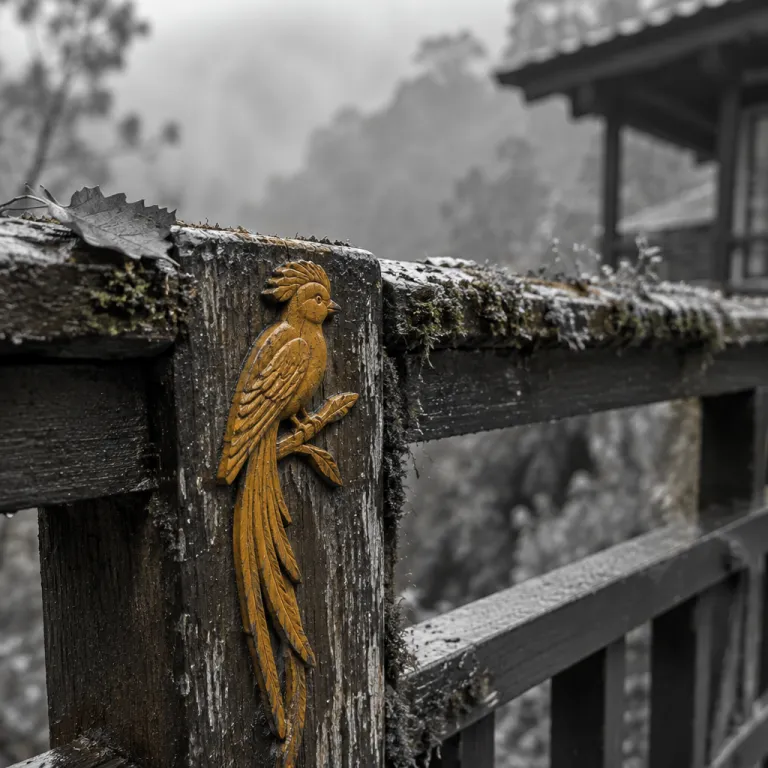
Why the Alta Verapaz cloud forests work for families
The search for Guatemala’s national bird becomes far more relaxed when you base your family in a comfortable quetzal cloud forest Guatemala lodge rather than racing in from a distant town. In the highlands Guatemala region of Alta Verapaz, the air cools, the cloud hangs low over emerald slopes, and the forests feel close enough for children to understand why these protected areas matter. Parents will appreciate that this is still Central America at its most authentic, with local Mayan communities, simple eco projects and national parks sitting side by side with a handful of polished, low key lodges.
Alta Verapaz lies north of Guatemala City, reached by a winding road that climbs from the warmer lowlands into true cloud forest, where mist threads through the trees and birds call before dawn. This is where the Biotopo del Quetzal reserve anchors conservation efforts, and where a cluster of small properties has quietly evolved from basic bird Guatemala cabins into serious yet family friendly bases. You are not in a remote research station ; you are in a place where hot showers, good mattresses and hearty breakfasts make early starts feel like part of the adventure rather than a test.
For families who have already seen Antigua or Lake Atitlán and want a deeper nature angle, the Guatemala cloud forest corridor around Biotopo del Quetzal and Chelemhá offers that next layer. Children who have learned that the male quetzal is the national bird in school can now stand under dripping bromeliads and listen for its call in real forests. Parents who worry that a birding trip will bore younger travelers usually find that the combination of waterfalls, howler monkeys in distant ravines and swirling cloud keeps even restless kids engaged.
Biotopo del Quetzal: classic trails, real chances of a sighting
The Biotopo del Quetzal reserve is the most established place in Guatemala to look for quetzals, and it remains the best starting point for families. Trails here are clearly marked, distances are manageable for children, and the forest feels dense yet welcoming, with wooden bridges, dripping moss and occasional clearings that offer a sudden view across the valley. Because this is one of the country’s oldest protected areas, guides know the habits of both male quetzal and female birds, and they understand how to pace a family walk.
Timing is everything in this cloud forest, and a well located quetzal cloud forest Guatemala lodge near the entrance makes dawn departures realistic with kids. The first two hours after sunrise are when quetzals move most, feeding on wild avocados high in the canopy while the cloud still hangs low over the trees. Staying close to Biotopo del Quetzal means you can wake at a reasonable hour, sip hot chocolate while the forest brightens, then step straight into the trail network rather than facing a long drive from a distant town.
Families who like a little structure can arrange guided walks that focus not only on quetzals but also on orchids, tree ferns and the way local Mayan communities use forest plants. Lodges around Biotopo del Quetzal increasingly work with eco focused guides who understand that children need stories, not just Latin names for birds. If you are pairing this region with Antigua, it is worth reading a detailed city hotel review such as the rooftop and courtyard hideaway analysis of El Convento on myguatemalastay.com, then mirroring that same level of scrutiny when you choose your cloud forest base.
Choosing a quetzal cloud forest Guatemala lodge that suits your family
Not every property in Alta Verapaz is equally suited to a premium family trip, so it pays to look closely at layout, access and guiding. A strong quetzal cloud forest Guatemala lodge for families will offer early breakfast options, flexible room configurations and safe paths between cabins, because children will inevitably want to explore. You also want staff who are used to explaining the rhythms of the cloud forests, from when birds feed to when mist usually rolls in, so that expectations stay realistic and the mood remains relaxed.
Some of the most atmospheric stays sit along the road that links Biotopo del Quetzal with the higher slopes toward Chelemhá and the sierra Las Minas range. Here, forest gives way to pasture and then returns in steep ravines, and a good lodge will frame that shifting landscape with wide decks and big windows so that even downtime feels like time in nature. Ask specifically whether your chosen property works with guides who know both the reserve trails and the less visited paths toward Las Minas, because those quieter routes can be ideal for older children who want a slightly more challenging walk.
Families planning a longer loop through highlands Guatemala often combine this region with Lake Atitlán, Semuc Champey or even the highland Guan area near Mexico, so it helps to think of your quetzal stay as one chapter in a broader narrative. A candid field report such as the hotel Guatemala review on myguatemalastay.com shows how different regions feel on the ground, and that same on the road perspective is useful when you weigh one cloud forest lodge against another. Look for properties that balance eco credentials with comfort ; solar power and rainwater systems are welcome, but so are thick duvets, reliable hot water and a kitchen that can handle both picky eaters and parents who want a glass of wine after a long hike.
Keeping children engaged in the forest: from birds to waterfalls
Even in the most magical cloud forests, younger travelers need more than the promise of a rare bird to stay engaged. Smart lodges near Biotopo del Quetzal and Chelemhá understand this and build family friendly rhythms into the day, alternating focused bird walks with shorter nature activities that let children move, touch and play. A well designed quetzal cloud forest Guatemala lodge will often have simple extras such as a small garden, a viewpoint platform or a short loop trail where kids can look for frogs and insects between longer excursions.
Guides who work regularly with families tend to frame the forest as a living story rather than a checklist of birds, and that makes a huge difference. They might start with the idea that the quetzal is the national bird of Guatemala, then explain how local Mayan communities once associated its feathers with royalty and why the male quetzal never survived in captivity. Along the way, they point out orchids clinging to branches, the distant calls of howler monkeys in deep ravines and the way cloud drifts through the canopy, turning a simple walk into an unfolding narrative.
Waterfalls and viewpoints are another key tool for keeping energy high, especially when younger legs start to tire on steeper paths. Many trails in the Biotopo del Quetzal reserve and nearby forests lead to small cascades or clearings with a wide view across the valley, and these make natural snack stops and photo moments. When you plan your trip, ask your lodge which routes combine a realistic chance of seeing quetzals with these more tangible rewards, so that every member of the family feels the day has offered something memorable.
Beyond Biotopo del Quetzal: Chelemhá, Sierra de las Minas and quiet eco stays
Once you have walked the classic trails of Biotopo del Quetzal, it is worth looking toward the higher slopes of Chelemhá and the vast Sierra de las Minas range for a deeper cloud forest experience. These areas sit within one of Central America’s most important protected areas for birds, and they offer a wilder, more remote feel while still being reachable from a well chosen quetzal cloud forest Guatemala lodge. Families with older children who already enjoy hiking will appreciate the sense of stepping into a more secret side of Guatemala, where forests stretch unbroken across ridges and valleys.
Chelemhá itself is known among serious birders for its mix of cloud forest and pine oak habitats, which support not only quetzals but also a wide range of other birds that rarely appear near towns. While infrastructure here is simpler than around Biotopo del Quetzal, some eco focused lodges and community projects offer basic yet atmospheric stays that can be paired with a night or two in a more polished property lower down. The key is to treat this as an extension of your main trip rather than the core, using your primary lodge as a comfortable base and then venturing higher for a day or overnight with a trusted guide.
Farther east, the slopes of Sierra de las Minas shelter remote valleys such as those near Las Minas, where cloud forests give way to drier zones and then rise again toward rugged peaks. This mosaic of habitats helps explain why Guatemala cloud forest corridors remain so vital for wildlife, and why families who care about nature often leave this region with a deeper sense of connection. If you are flexible on dates, it is worth reading about shoulder season upgrades on myguatemalastay.com, because quieter periods can mean more attentive guiding, better room choices and a calmer atmosphere when you return from long days in the forest.
Practical planning: routes, seasons and linking the cloud forest with the rest of Guatemala
Most families will reach the Alta Verapaz cloud forests by road from Guatemala City, a journey that usually takes several hours and climbs steadily from lowland heat into cool, misty air. It makes sense to break the trip with a stop in a small town for lunch, then arrive at your quetzal cloud forest Guatemala lodge by mid afternoon so that children can settle in before the first early start. If you are combining this region with Lake Atitlán, Semuc Champey or other highlands Guatemala highlights, think in terms of a loop rather than backtracking, which keeps driving days varied and interesting.
Seasonality matters less here than in some parts of Central America, because cloud forests by definition hold moisture year round, but there are still subtle shifts that affect bird activity. Guides around Biotopo del Quetzal and Chelemhá will usually steer families toward months when fruiting trees are abundant and male quetzals are most active, which increases your chances of a sighting without turning the trip into a high pressure quest. Early mornings remain non negotiable, though, so choose a lodge that can provide hot drinks and simple food before dawn, then a more leisurely breakfast once you return from the forest.
When you look at maps, it is tempting to add every name that appears near the cloud forests, from Las Minas and Sierra de las Minas to more distant areas such as highland Guan or even the far north. In practice, a focused itinerary that links Guatemala City, the Biotopo del Quetzal reserve, one or two eco minded lodges and perhaps Lake Atitlán or Semuc Champey will feel richer and less rushed. The goal is not to tick off every forest in Guatemala but to give your family enough time in one place for the cloud, the birds and the quiet rhythms of nature to sink in.
FAQ
When is the best time of day to see quetzals with children ?
The first two hours after sunrise offer the best balance between bird activity and family friendly timing. Quetzals feed early, and the forest is usually quieter and cooler, which helps children focus. Staying close to the reserve entrance makes these dawn walks much easier with younger travelers.
How many nights should a family spend in the cloud forest region ?
Plan at least two nights near Biotopo del Quetzal so you have two full mornings for birding. A third night allows time for a waterfall walk or a visit to a nearby eco project without feeling rushed. Families combining this with other regions often find that three to four nights strikes the right balance.
Is the Biotopo del Quetzal reserve suitable for younger children ?
Yes, the main trails in the Biotopo del Quetzal reserve are short, clearly marked and manageable for school age children. There are steeper sections, but guides can choose loops that match your family’s fitness and attention span. Regular breaks at viewpoints or small cascades help keep the experience enjoyable.
Do we need a specialist bird guide to have a good experience ?
A specialist guide increases your chances of seeing quetzals, but a family focused naturalist can be just as valuable. Guides who work regularly with children know how to mix bird spotting with stories about forest life, which keeps everyone engaged. Many lodges can arrange both types of guiding if you ask in advance.
Can we combine the cloud forest with Lake Atitlán or Semuc Champey in one trip ?
Yes, many families link Guatemala City, the Alta Verapaz cloud forests, Lake Atitlán and sometimes Semuc Champey in a single itinerary. The key is to allow enough travel time between regions and avoid packing in too many overnight stops. A loop of two or three bases usually feels more relaxed and rewarding.
Sources
Instituto Guatemalteco de Turismo (INGUAT) ; National Audubon Society ; Conservation International.