What design hotels mean in Guatemala’s new luxury landscape
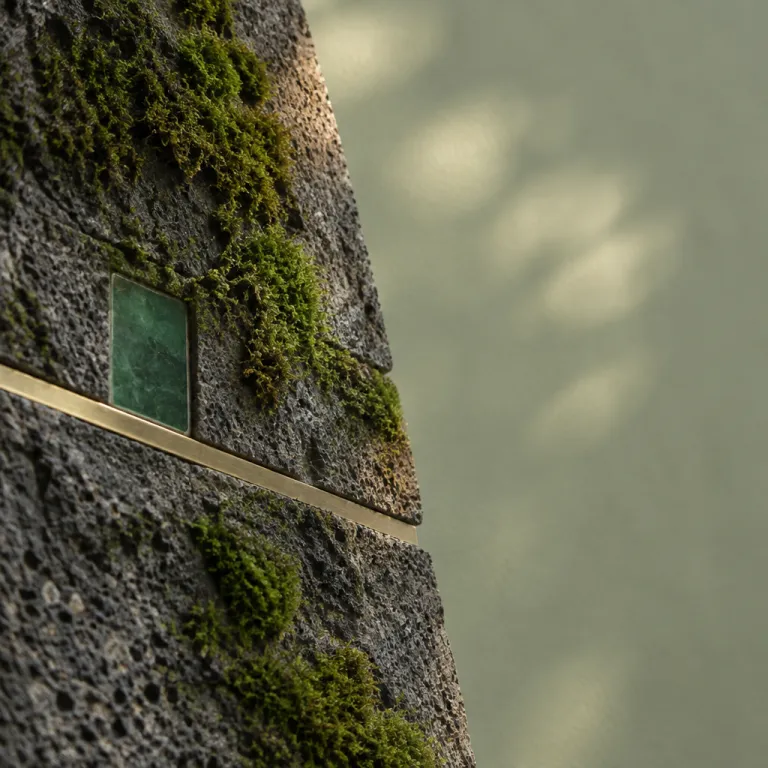
In Guatemala, design driven hotels are moving beyond the predictable colonial template. A new generation of hotel owners in the city and in Antigua Guatemala is blending clean architectural lines with Mayan textiles, volcanic stone and hand carved wood to create spaces that feel both contemporary and deeply local. For couples planning a stay, this new wave of design hotels Guatemala offers a more intimate connection to place than many older hotels ever attempted.
The term design hotel here signals more than photogenic rooms with good lighting. It often means a small scale hotel with fewer rooms, strong architectural intent and amenities that foreground privacy, such as private rooms with walled gardens, rooftop terrace plunge pools or a compact spa that uses Guatemalan cacao and coffee in its treatments. When you check into these hotels, you are choosing a point of view on Guatemala rather than just a bed in a historic centre.
In Guatemala City, the best examples sit in residential neighbourhoods rather than in the commercial centre, where traffic noise can overwhelm any sense of calm. These hotels use floor to ceiling glass to frame city views and distant volcano views, while interiors rely on local stone and textiles instead of generic international décor. In Antigua, the most interesting hotel Antigua properties reinterpret the colonial courtyard layout with sculptural furniture, curated art and a quieter, more grown up atmosphere that suits couples on a design focused travel itinerary.
From colonial courtyards to crafted minimalism in Antigua
Antigua Guatemala remains the country’s most concentrated laboratory for design hotels Guatemala, and the shift is visible street by street. Around the historic centre, former family homes have been reimagined as intimate hotels where every room opens onto a garden or cloister, yet the interiors feel strikingly modern. Here, the best stay options balance respect for the city’s historic fabric with a willingness to edit, pare back and let light and texture lead.
Properties such as Casa Santo Domingo and smaller addresses like Posada del Ángel show how the line between heritage hotel and design led space is blurring. At Casa Santo Domingo, the hotel wraps around monastic ruins, yet the rooms layer concrete, glass and contemporary art over the historic stone, while the spa and pool terraces feel resolutely current. At Posada del Ángel, which we review in depth in our Antigua design hotel feature, each room reads like a collector’s salon, with private fireplaces, handwoven textiles and a rooftop terrace that catches volcano views at sunset.
Newer arrivals such as Villas Ermita and Cacao Boutique Hotel sit slightly outside the busiest streets, which gives them more space for gardens and quieter private rooms. Villas Ermita leans into crafted minimalism, using polished concrete, pale wood and large windows to frame the surrounding hills, while Cacao Boutique Hotel plays with deeper colours and sculptural lighting to create a moodier, more urban atmosphere. For couples using a Guatemala travel guide to plan a romantic weekend, these hotels in Antigua offer some of the best boutique style stays in the country without sacrificing authenticity.
Lake Atitlán and the rise of landscape led design
Around Lake Atitlán, design hotels Guatemala are defined first by their relationship to the water and the volcano views. Here, the best hotels carve themselves into the steep hillsides, stacking rooms and suites vertically so that almost every room has a balcony or terrace facing the lake. The architecture tends to be more experimental than in Antigua, with angular volumes, glass walls and stone platforms that step down toward private docks.
For couples, the appeal lies in the combination of seclusion and access to culture, since many hotels partner with nearby villages for weaving demonstrations and guided hikes. A good hotel on Lake Atitlán will usually offer private rooms with outdoor showers, a small spa using local botanicals and a rooftop terrace or deck where breakfast is served as the light shifts across the water. When you book these hotels, check how many rooms share each terrace or plunge pool, because the most romantic stays keep guest numbers low and circulation discreet.
The lake’s new wave of properties also reflects a broader shift in Guatemala travel, where design conscious guests are seeking hidden gems beyond the classic Antigua and Tikal circuit. Some of the best boutique style stays here are reached only by boat, which adds a sense of arrival that no city hotel can match. For deeper context on how these off radar destinations fit into a wider itinerary, our guide to Caribbean Guatemala and Rio Dulce shows how to balance highland design hotels with lowland river lodges.
How MICHELIN Keys and global attention raised the bar
As international recognition grows, design hotels Guatemala are being pushed to refine both aesthetics and service. The arrival of MICHELIN Keys in the region has signalled to owners that serious architecture and interiors must be matched by consistent amenities, from high quality bedding to well trained staff and reliable hot water pressure. For travelers, this means that the gap between the best hotels and the merely photogenic ones is becoming easier to read.
In Antigua and Guatemala City, some properties that once relied on a pretty courtyard and a few colonial antiques are now investing in better lighting, soundproofing and more generous room layouts. You will see this in the way newer hotel Antigua addresses handle circulation, with wider corridors, fewer rooms per floor and more private corners for couples to sit with a glass of wine. The spa offering has also evolved, with several hotels now integrating hydrotherapy circuits, volcanic stone massages and cacao based rituals that feel rooted in place rather than imported from generic international menus.
Outside the main urban centres, the MICHELIN Keys effect is subtler but still present, especially around Lake Atitlán and in emerging destinations like the Pacific coast. Here, owners are commissioning architects to design low slung villas that blend into the landscape, using local stone and wood while ensuring that every room has strong Wi Fi, good mattresses and thoughtful lighting. When you book, check whether the hotel lists its design team and artisans by name, because that transparency often signals a more serious, long term commitment to quality.
Signals of substance: how to choose more than a pretty façade
Not every stylish hotel in Guatemala delivers on comfort, and the difference often reveals itself only after check in. To avoid this, start by reading past the photos and looking closely at floor plans, room sizes and the number of rooms relative to public spaces. A design hotel that takes privacy seriously will usually offer fewer rooms, more generous bathrooms and at least one quiet rooftop terrace or garden reserved for in house guests.
Pay attention to how a property describes its amenities, because vague language can hide weak points. If a hotel claims to have a spa, check whether it is a single treatment room or a fully equipped space with steam, sauna and relaxation areas, and ask whether treatments use Guatemalan ingredients such as cacao or coffee. For couples, the presence of true private rooms with soundproofing and outdoor space can make the difference between a restful stay and one dominated by courtyard noise.
Reviews can also help you separate a good hotel from a merely photogenic one, especially in Antigua Guatemala where competition is intense. Look for consistent praise of service, cleanliness and sleep quality rather than just comments about Instagrammable views or colourful tiles. When a property like Posada del Ángel or Casa Santo Domingo is repeatedly described as one of the best boutique style stays in the historic centre, with attentive staff and well maintained facilities, that pattern usually reflects real operational strength rather than clever marketing.
Hidden gems beyond Antigua: where the new wave is heading
While Antigua and Lake Atitlán remain the heartlands of design hotels Guatemala, a quieter movement is unfolding in less expected corners of the country. In Guatemala City, small scale hotels in residential zones are experimenting with art filled lobbies, compact rooftop terraces and rooms that feel more like urban apartments than traditional hotel suites. These properties appeal to travelers who want to stay close to the cultural centre but retreat to a calmer, more design forward environment at night.
Elsewhere, you will find early signs of the same energy in places like the coffee highlands and along the Pacific coast, where new villas and small hotels are starting to prioritise architecture and landscape integration. Some of these projects take cues from Antigua icons such as Casa Santo Domingo or from intimate addresses like Posada del Ángel, translating the courtyard and garden vocabulary into more contemporary forms. For couples willing to trade a little predictability for a sense of discovery, these emerging hotels can offer some of the best stays in Guatemala, with fewer crowds and more direct contact with local communities.
As Guatemala’s travel and tourism sector expands, with the World Travel & Tourism Council projecting strong growth in visitor spending, the pressure to build quickly will only increase. The most thoughtful owners are responding by commissioning architects who understand both climate and culture, ensuring that new hotels feel rooted rather than generic. When you book into these hidden gems, you are not just choosing a stylish room ; you are supporting a more sustainable, design led future for Guatemalan hospitality.
Key figures shaping Guatemala’s design hotel scene
- The World Travel & Tourism Council has forecast that Guatemala’s Travel and Tourism GDP will grow by around 6.1 percent in a single year, signalling strong momentum for new hotel investment and design led projects.
- International visitor spending in Guatemala is projected by the World Travel & Tourism Council to rise by approximately 9.3 percent over the same period, which encourages owners to upgrade rooms, amenities and spa facilities to meet higher expectations.
- Antigua Guatemala and Lake Atitlán together account for a significant share of the country’s premium hotel bookings, with many couples combining at least two nights in each destination to balance historic centre charm with volcano views and lakeside relaxation.
- Design focused hotels in Guatemala typically operate with fewer than 40 rooms, a scale that allows for more personalised service, quieter public spaces and a higher proportion of private rooms with terraces or gardens.
- Properties that invest in rooftop terraces and landscape oriented architecture report higher average daily rates than comparable hotels without such features, reflecting the premium that travelers place on views and outdoor living in Guatemala’s mild climate.
FAQ about design forward luxury stays in Guatemala
What defines a design led hotel in Guatemala compared with a traditional property ?
In Guatemala, a design led hotel usually combines contemporary architecture with local materials such as volcanic stone, handwoven textiles and carved wood, rather than relying solely on colonial antiques. These hotels prioritise thoughtful layouts, natural light and privacy, often with fewer rooms and more generous public spaces. Service and amenities are curated to feel intentional, from spa menus using local ingredients to art collections that reference regional culture.
Which areas are best for couples seeking design focused stays ?
Antigua Guatemala is the most established destination for design conscious couples, with a dense cluster of high quality hotels in and around the historic centre. Lake Atitlán offers more landscape driven design, where architecture frames the water and volcano views, and many properties are only accessible by boat. Guatemala City is emerging as an option for shorter stays, especially in residential neighbourhoods where small hotels offer stylish rooms and rooftop terraces away from heavy traffic.
How far in advance should I book a design hotel in Antigua or Lake Atitlán ?
For peak travel periods and weekends, it is wise to book at least two to three months ahead, especially if you want specific room categories or private suites with terraces. Smaller design hotels often have limited inventory, so last minute availability can be tight for couples seeking the best rooms. Shoulder seasons may offer more flexibility, but planning ahead still helps secure preferred dates and better rates.
Are Guatemala’s design hotels suitable for longer stays, not just short breaks ?
Many design hotels in Guatemala are well suited to stays of four nights or more, particularly those with spacious rooms, good desks, reliable Wi Fi and comfortable seating areas. Properties around Lake Atitlán and in quieter parts of Antigua often attract guests who combine remote work with leisure, thanks to calm atmospheres and access to nature. When planning a longer stay, check for practical amenities such as laundry service, in room coffee setups and varied dining options nearby.
How can I tell if a stylish looking hotel will be comfortable in practice ?
Beyond photos, examine room sizes, bed types, bathroom layouts and the number of rooms relative to public spaces, since overcrowded courtyards can undermine privacy. Read recent reviews that mention sleep quality, water pressure, noise levels and staff responsiveness, not just décor. If a hotel clearly describes its amenities, spa facilities and service philosophy, and credits its design team or artisans, that transparency often indicates a more reliable and comfortable stay.