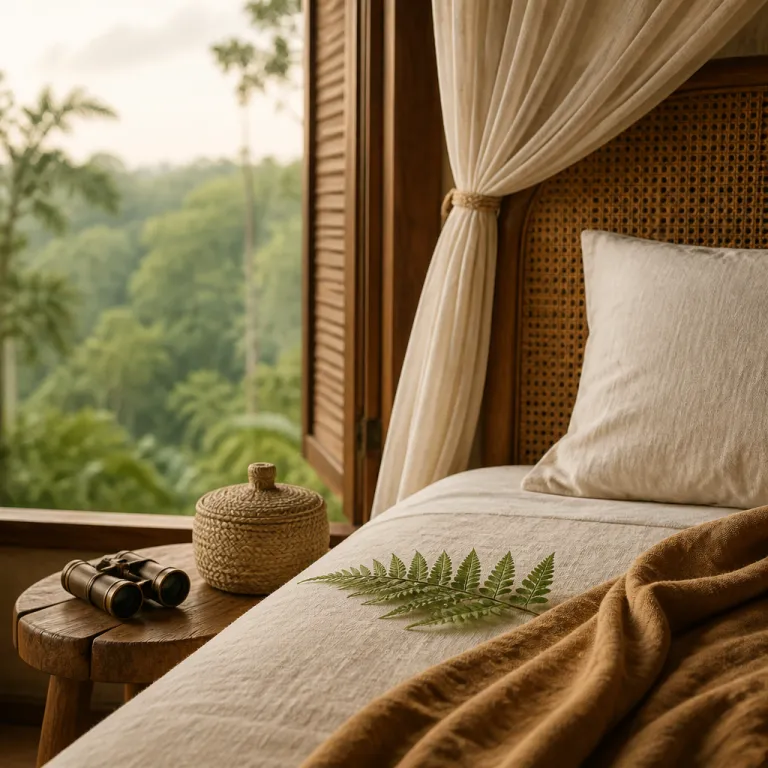
What Guatemala’s new mega-reserve means for your stay
Sleeping inside the Maya Forest now places you within one of the largest protected areas in Central America. The new Great Maya Forest Biocultural Corridor links roughly 14 million acres of forest across Guatemala, México and Belize, turning existing protected areas into a single living conservation canvas. For travelers, that scale changes what a lodge stay is, and what your booking quietly funds.
In northern Guatemala, the corridor stitches together rainforest concessions, national parks and community managed zones into a continuous Maya Forest that still shelters jaguar, tapir and scarlet macaw species. When you choose a maya forest lodge Guatemala conservation focused property, you are not just paying for a room ; you are underwriting the management of a fragile area where camera traps, ranger patrols and scientific monitoring now operate across borders. The governments of Guatemala, México and Belize coordinate with conservation NGOs to keep this selva maya intact, but the long term trust that sustains it depends heavily on guest nights and the quality of impact tourism.
Staying inside a protected area means accepting a different rhythm and a different standard of luxury. Night sounds carry through the forest, electricity may be limited to certain hours, and paths are lit softly to protect nocturnal species that move between Guatemala and Belize Maya habitats. In return, you gain front row access to rainforest life, from howler monkeys at dawn to the quiet work of conservation teams who have spent years building a forest trust model that treats every acre of forest as both sanctuary and classroom.
Community lodges versus private properties in the Maya lowlands
Not all lodges inside the Maya Forest operate under the same philosophy. Some are community run projects where local Maya communities hold concessions in the protected area and use carefully managed impact tourism to finance forest management and social programs. Others are privately owned properties, sometimes with international investors, that lease land near protected areas and work with conservation partners to justify their footprint.
On the Guatemalan side of the selva maya, community concessions in the Maya Biosphere Reserve have shown that when residents earn directly from the forest, deforestation rates fall and trust in conservation rises. These communities often run small scale lodges where guides grew up hunting in the rainforest but now track wildlife with camera traps and lead guests to remote aguadas instead. Across the border in Belize, the model around the Chan Chich area and the wider Belize Maya Forest shows how a former cattle property can be rewilded and folded into a larger forest trust, with a managing director overseeing both guest experience and habitat restoration.
Private lodges can be just as serious about conservation, but you need to ask sharper questions. A high end chich lodge near Tikal might offer polished service yet contribute little to surrounding villages, while a simpler lodge embedded in community land may channel a higher percentage of revenue into local employment and ranger salaries. Before you book through a luxury focused site such as our candid field notes on highland hotels at this detailed Guatemala hotel review loop, read how each property describes its relationship with nearby communities, protected areas and the wider Maya Forest corridor.
How to vet a maya forest lodge Guatemala conservation claim
Eco labels are easy ; meaningful conservation is not. When you evaluate a maya forest lodge Guatemala conservation promise, start with three pillars : carbon, water and local employment. The best lodges treat these not as marketing lines but as measurable management commitments tied to the health of the surrounding forest.
On carbon, ask how the lodge powers its operations and whether it tracks emissions from transfers, generators and supply chains across the Guatemala México and Belize triangle. Serious properties will talk about solar arrays, efficient boat engines and limits on private flights into remote airstrips, often linking their efforts to broader climate change resilience in the Maya Forest. Water questions should probe how greywater is treated, how much is drawn from local sources in the protected area, and whether the lodge has systems to prevent contamination of streams that flow through multiple protected areas in Central America.
Employment is where impact tourism becomes tangible. A credible lodge will employ a high percentage of staff from nearby communities, train local guides in species identification and camera traps, and support scholarships at institutions such as University of Belize or the national environmental institute in Guatemala. When you read about wellness focused rainforest escapes at these quieter season spa retreats, look for the same rigor in how those properties talk about conservation, from their relationship with any nature conservancy partner to their role in maintaining corridors that link the Belize environmental network with Guatemalan reserves.
Pairing Tikal with a conservation led lodge stay
Most travelers come north for Tikal, then leave before night truly falls over the forest. A smarter itinerary pairs the ruins with at least two nights at a maya forest lodge Guatemala conservation oriented property, ideally inside or adjacent to a protected area that forms part of the new corridor. This is where the Maya Forest stops being a backdrop and becomes the main event.
Base yourself one night near Tikal for a sunrise or sunset tour, then transfer deeper into the rainforest along the Guatemala México frontier or toward the Belize Maya Forest for a slower stay. In these lodges, you wake to chan chich calls and the rustle of species moving through the understory, then spend the day on guided walks that explain how forest management works in practice, from fire breaks to community patrols. Some properties collaborate with organizations such as The Nature Conservancy or local forest trust initiatives, giving guests the chance to see reforestation plots, meet rangers and understand how many acres of forest their stay effectively helps keep protected each year.
For couples who like to mix highland comfort with lowland immersion, consider starting in Antigua or Lake Atitlán at a refined property, then flying north and finishing with three nights in the Maya lowlands. Our guide to farm to cup stays at altitude, including guesthouses at 1 800 metres, at these highland coffee roaster retreats pairs beautifully with a rainforest lodge, creating a Guatemala arc that runs from volcanic slopes to the heart of the selva maya.
Why remoteness is the point, not a drawback
Reaching a serious conservation lodge in the Maya Forest takes time. You may drive for hours on dirt roads, cross from Guatemala into Belize on a small bridge, or board a light aircraft that skims over unbroken canopy. That remoteness is precisely why these properties still sit amid intact rainforest rather than cattle pasture.
Inside this vast area, the absence of crowds allows wildlife to behave naturally and gives conservation teams space to work. Guides may show you fresh jaguar tracks on a forest road, then later point to a screen where camera traps have captured the same animal moving between Guatemala and Belize Maya reserves. Some lodges reference the story of Lucas and Elma Kay, early Belize environmental advocates whose work with University of Belize and the national environmental institute helped shape how protected areas are managed today, reminding guests that conservation here has been a generational project measured in years, not seasons.
Remoteness also reframes luxury. Instead of a long spa menu, you get a hammock facing a protected area where macaws cross at dusk, and instead of nightlife you have a managing director explaining how the government and a network of NGOs coordinate to keep this corridor legally protected. The real indulgence is knowing that your stay supports a mosaic of communities, scientists and rangers who treat every hectare of this acres forest landscape as part of a single, shared trust.
FAQ
What is the Great Maya Forest Biocultural Corridor ?
The Great Maya Forest Biocultural Corridor is a tri national conservation initiative that links around 14 million acres of forest across Guatemala, México and Belize into one connected landscape. It brings together roughly 50 existing protected areas, including national parks and community concessions, to safeguard rainforest species and cultural heritage. For travelers, it means that many lodges now sit inside or beside a coordinated mega reserve rather than isolated parks.
How can I tell if a lodge really supports conservation ?
A credible maya forest lodge Guatemala conservation focused property will publish clear information on how it manages water, energy and waste, and how much it invests in local employment. Look for partnerships with recognized conservation organizations, transparent data on protected area fees or donations, and evidence of long term projects such as camera trap monitoring or reforestation. If staff can explain how your stay contributes to specific conservation outcomes, that is a strong sign of authenticity.
Is it safe to stay inside such a remote rainforest area ?
Established lodges in the Maya Forest operate with robust safety protocols, including trained guides, radio or satellite communication and clear evacuation plans. While you are in a remote environment, these properties are used to hosting international guests and coordinating with local authorities and park rangers. The main adjustment for visitors is accepting limited connectivity and focusing on nature rather than constant online access.
Can I visit Tikal while staying at a conservation lodge ?
Yes, many lodges in northern Guatemala offer day trips or overnight excursions to Tikal as part of their activity menu. A common pattern is to base at a rainforest lodge and arrange a private transfer and guide for a full day at the ruins, returning to the forest by evening. This approach lets you experience the archaeological sites while still spending most of your time in a conservation focused setting.
What should couples pack for a luxury yet remote rainforest stay ?
Pack light, breathable clothing, a good rain jacket, closed shoes suitable for muddy trails and a small daypack for excursions. High end lodges usually provide rubber boots, filtered water and quality toiletries, so you can skip bulky items. Bring binoculars, a headlamp with a red light setting and any personal medications, as shops are far away in this kind of protected area.