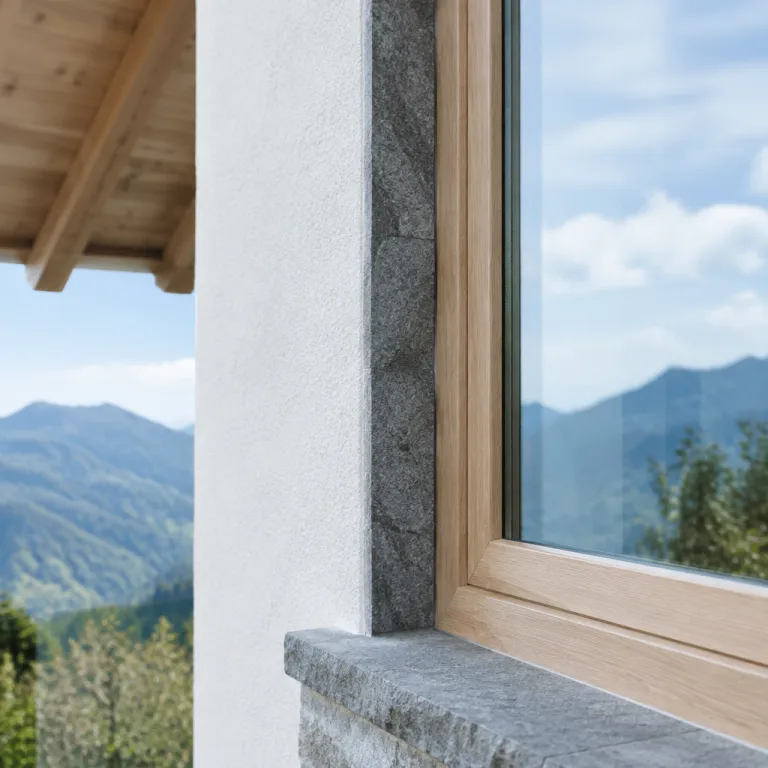
Guatemala mountain houses for luxury stays in the central highlands
Guatemala mountain houses offer a rare blend of altitude, heritage, and comfort. These properties in the central highlands place you between cloud forests and volcanic peaks, while still giving you refined service and curated experiences. For travellers used to urban luxury in a large city, the silence and the cool air at more than 1 500 metres feel instantly restorative.
The most sought after houses cluster around Antigua Guatemala, in the wider Antigua central valley, and across the highlands Guatemala region stretching toward Lake Atitlán. Here, Indigenous Maya communities still build with adobe and timber, and NGOs and academia support the preservation of these real vernacular techniques. One expert summary from the World Housing Encyclopedia captures it clearly: “Adobe, bajareque, fir wood roofing, straw grasses, local timber”.
High end properties in the Guatemalan mountains rarely feel ostentatious, because the architecture leans into earth tones, stone, and hand carved wood. You will notice that every house is oriented to maximise the view of a volcano, a ravine, or terraced land, rather than the road or the neighbouring houses. This focus on landscape is what makes Guatemala mountain houses such a compelling alternative to a standard apartment style stay in Guatemala City.
Where guatemala mountain houses are located
The most established luxury enclaves sit in the central highlands above Antigua Guatemala, where restored colonial properties share ridgelines with new eco lodges. From here, you can reach Guatemala City in about one hour, yet the temperature and the mood feel worlds apart. Many travellers split their time between a city property and a mountain house, using private transfers to move easily between both.
Further west, the highlands Guatemala corridor leads toward Sololá and Lake Atitlán, where steep land plunges directly into the water. Here, Guatemala mountain houses cling to the slopes, with stone stairways, terraced gardens, and private docks for boat transfers. These houses are ideal if you want a lake view without sacrificing the privacy and quiet that a high property naturally offers.
To the north, more remote properties appear in the Western Highlands of Guatemala, where temperatures drop sharply at night. In these regions, adobe walls and fir wood roofing provide natural insulation, which is why adobe construction is common above 1 000 metres. Luxury operators now work with local artisans to adapt these traditional houses into refined retreats with fireplaces, heated floors, and high thread count linens.
Lake and volcano panoramas from guatemala mountain houses
For many guests, the defining luxury of Guatemala mountain houses is the uninterrupted view. A single house terrace can frame three volcanoes at once, with morning clouds drifting across the peaks like slow moving rivers. When you book, always request precise details about orientation, elevation, and any potential obstructions, because the difference between a partial and a full volcano view is significant.
Around Lake Atitlán in the highlands Guatemala region, several premium properties are built as stepped houses descending the land toward the shore. Suites on the upper levels offer a wide angle view of the lake, while lower levels give you immediate access to the water and private docks. For refined lakeside escapes with this kind of layout, you can review curated options through an elegant lakeside Atitlán hotel guide that focuses on design and service.
In and around Antigua Guatemala, Guatemala mountain houses often sit on former coffee land, with terraces overlooking neat rows of shade grown plants. From these properties, the view usually includes Volcán de Agua, sometimes joined by Fuego and Acatenango on clear days. When a house is positioned on a high ridge, you will also see the lights of Guatemala City flicker on the horizon after sunset, which creates a striking contrast between rural quiet and urban energy.
How to evaluate the view before you book
When browsing properties online, do not rely only on the main hero image. Ask the host or hotel for unedited photos taken from inside the house, from the bed, from the dining table, and from any outdoor hot tub or plunge pool. This level of detail helps you understand whether the view is a constant presence or limited to one small corner of the property.
Pay attention to the direction the house faces, because sunrise and sunset angles matter in the central highlands. East facing houses catch the first light over the mountains, while west facing terraces glow in the late afternoon, which is perfect for long dinners. In high altitude locations, the quality of light changes quickly, so the time of day you prefer to be outside should guide your choice.
Finally, consider seasonal factors that will affect your view, such as mist, rain, and agricultural burning on nearby land. During the dry season, skies above Antigua central and Guatemala City are often clearer, but dust can soften distant outlines. In the rainy season, clouds can obscure peaks for hours, yet brief openings after storms create dramatic, almost theatrical panoramas from well positioned Guatemala mountain houses.
Traditional materials and modern comfort in highland properties
One of the most compelling aspects of Guatemala mountain houses is the way they merge traditional materials with contemporary comfort. Indigenous Maya communities in the highlands Guatemala region have long used adobe, bajareque, and local timber to create thermally efficient houses. Luxury operators now collaborate with these builders, as well as NGOs and academia, to adapt vernacular techniques for high end properties.
In practice, this means thick adobe walls finished with lime plaster, fir wood roofing, and stone floors that retain heat from the sun during the day. Inside, you will often find underfloor heating, double glazed windows, and high quality insulation discreetly added behind traditional finishes. This approach respects the real architectural heritage of Guatemala while meeting the expectations of guests who are used to climate controlled apartments in a major city.
Some Guatemala mountain houses go further, experimenting with geo domes, treehouses, and alp style cabins on steep land. These structures use steel or engineered wood frames for safety, then wrap them in natural materials to blend into the landscape. In remote parts of the central highlands, such as the Western Highlands of Guatemala, this hybrid method allows properties to withstand seismic activity while still feeling rooted in place.
Eco lodges, remote retreats, and expedition bases
Eco lodges near Antigua Guatemala often serve as gateways to more remote mountain experiences. Guests might spend a few nights in a refined house with full service, then transfer to a simpler cabin or treehouse deeper in the forest. This staged approach works well if you want both comfort and immersion in the highlands Guatemala environment.
Farther north, in the Petén region, some travellers combine a stay in Guatemala mountain houses with archaeological expeditions. While Petén is more lowland jungle than highlands, the contrast between cool mountain air and humid forest is part of the appeal. For those interested in remote ruins and multi day treks, it is worth consulting a specialised resource on the remote Petén and El Mirador expeditions before planning your route.
Wherever you go, check how the property manages water, waste, and energy, because eco credentials vary widely. Some houses rely on solar panels, rainwater capture, and on site treatment plants, while others still depend on diesel generators. A truly responsible property will be transparent about these details and will often share them proudly in the booking information.
Choosing between Antigua Guatemala and Guatemala City for your base
Many travellers planning a stay in Guatemala mountain houses ask whether to base themselves in Antigua Guatemala or Guatemala City. The answer depends on how you like to balance culture, logistics, and quiet. Antigua offers immediate access to the central highlands, while Guatemala City provides a broader range of international connections and urban services.
Antigua Guatemala is a compact city with cobblestone streets, baroque churches, and a strong hospitality scene. High end properties here range from restored colonial houses in the historic centre to modern mountain houses on the surrounding slopes. For a curated overview of refined stays in and around the city, you can consult an elegant hotel selection in Antigua that highlights service, design, and location.
Guatemala City, by contrast, is a sprawling metropolis divided into distinct zones, each with its own character. Luxury travellers often choose a contemporary apartment or a high rise property in the central business districts, then arrange day trips or overnight escapes to Guatemala mountain houses nearby. This strategy works well if you have limited time, because you can enjoy the restaurants and museums of the city while still accessing the cooler air of the central highlands within a short drive.
How to combine city and mountain stays
A balanced itinerary might start with two nights in Guatemala City to adjust and explore. From there, you can transfer to Antigua central for three or four nights in a mountain house, using the city as your cultural and culinary base. This pattern allows you to experience both the urban energy of Guatemala and the quiet of the highlands Guatemala region without constant packing and unpacking.
When booking, pay attention to transfer times between each property, especially during peak traffic hours. A route that takes one hour in the early morning can easily double in the late afternoon, which affects how much time you actually spend enjoying your house. Private drivers familiar with the central highlands roads are worth the extra cost, because they know alternative routes and can adjust departure times to avoid congestion.
Finally, consider your arrival and departure flights when choosing where to spend your last night. Staying in a Guatemala mountain house too far from the airport on your final evening can introduce unnecessary stress. Many travellers opt to return to a city apartment or a hotel in Guatemala City for the final night, then share a relaxed breakfast before heading to the terminal.
Understanding property types, layouts, and land in the highlands
Guatemala mountain houses come in several configurations, and understanding these layouts helps you choose the right property. Some are single family houses on private land, while others are part of gated communities with shared amenities such as pools and clubhouses. There are also hybrid models where a main house is paired with smaller casitas, ideal for groups who want both proximity and privacy.
In and around Antigua Guatemala, you will find restored colonial houses with internal courtyards, as well as contemporary villas with floor to ceiling glass facing the view. These properties often sit on terraced land, which means multiple levels connected by outdoor stairs and garden paths. If mobility is a concern, ask for precise details about steps, slopes, and elevator access before you commit.
Some travellers are also interested in the real estate aspect of Guatemala mountain houses, even if they are only renting. You may see references to a house for sale or to investment properties in marketing materials, especially in the central highlands. While this can be useful background, focus first on guest specific information such as service levels, staffing, and safety features, rather than on property sale pitches.
Rooms, apartments, and shared spaces
Not every guest needs an entire house, and many highland properties now offer apartment style units within larger compounds. These apartments give you private bedrooms and living areas, while sharing gardens, pools, and sometimes spa facilities with other guests. This model works well if you want the feel of Guatemala mountain houses without managing a full standalone property.
When reviewing floor plans, look at how social spaces relate to the main view. A well designed house will place the living room, dining area, and primary bedroom along the best orientation, leaving secondary bedrooms and service areas behind. In multi level houses, check whether the main social floor is on the same level as the entrance, because constant stair use at high altitude can feel more tiring than at sea level.
Outdoor areas are just as important as interiors in the highlands Guatemala climate. Terraces, fire pits, hot tubs, and covered verandas extend the usable space of the house and allow you to enjoy the cool air at different times of day. When a property description mentions a garden or land, ask whether these areas are flat, terraced, or steep, because this will shape how you actually use them during your stay.
Practical booking tips for guatemala mountain houses
Securing the right Guatemala mountain house requires more than simply choosing attractive photos. Start by defining your priorities: view, proximity to a specific city, level of service, and climate preferences. Once you know what matters most, you can filter properties in Antigua Guatemala, Guatemala City, and the wider central highlands more effectively.
Climate is a key factor in the highlands Guatemala region, where nights can be cold even when days feel warm. Ask each property about heating systems, fireplace safety, and the availability of extra blankets or hot water bottles. A house that looks perfect on paper can feel uncomfortable in practice if it lacks adequate insulation or reliable hot water at altitude.
Service levels vary from fully staffed houses with chefs and concierges to self catering properties where you manage everything yourself. Clarify whether daily housekeeping is included, whether staff live on site, and how late you can request assistance. In more remote parts of the central highlands, response times can be longer, so it is wise to share your arrival time and any special needs well in advance.
Safety, access, and timing your stay
Safety in Guatemala mountain houses depends on both the property and its surroundings. Look for clear information about access roads, lighting, security staff, and any gated community arrangements. In regions with steep land or unpaved roads, ask whether a high clearance vehicle is necessary, especially during the rainy season.
Timing your stay also matters, because the central highlands experience distinct dry and rainy periods. The dry months offer clearer views and easier road conditions, while the rainy season brings lush landscapes and fewer crowds. If you plan to hike, bike, or visit remote villages in the highlands Guatemala region, align your dates with the most stable weather window.
Finally, consider how you will share the experience with your travel companions. Some guests prefer separate bedrooms and private terraces, while others enjoy communal spaces where everyone gathers around a fire. When you match the layout of the house to the dynamics of your group, Guatemala mountain houses become more than just properties; they become the setting for the memories you will carry home.
Key figures about guatemala mountain houses and highland living
- Three major mountain regions in Guatemala show a high prevalence of adobe houses, according to the World Housing Encyclopedia, which underlines how deeply traditional materials shape highland architecture.
- In Guatemala City, 52 percent of buildings were adobe in the early nineteen seventies, based on World Housing Encyclopedia data, highlighting how quickly construction methods have shifted toward concrete in the urban core.
- Many Guatemala mountain houses sit above 1 000 metres in elevation, where adobe construction is common because it offers better insulation in the cold highland climate and uses readily available local clay.
- Eco tourism focused properties in the central highlands often partner with local artisans, NGOs, and lodging entrepreneurs, creating economic opportunities while preserving vernacular building knowledge.
- Guests visiting the Western Highlands of Guatemala are advised to prepare for significantly colder nights than in lowland areas, which makes heating and insulation key criteria when selecting a luxury mountain house.
FAQ about guatemala mountain houses
What materials are used in guatemala mountain houses ?
Traditional Guatemala mountain houses in the central highlands rely on adobe walls, bajareque or wattle and daub, fir wood roofing, and local timber. These materials provide natural insulation against cold nights and help regulate indoor temperatures without heavy mechanical systems. Luxury properties often combine these traditional elements with modern insulation, double glazing, and high efficiency heating to meet contemporary comfort standards.
Why is adobe construction common above 1 000 metres in Guatemala ?
Adobe construction is common above 1 000 metres in Guatemala because the material offers excellent thermal mass, keeping interiors warmer at night and cooler during the day. The central highlands experience significant temperature swings, so this natural regulation is valuable for both comfort and energy efficiency. Adobe also uses locally available clay and straw, making it a practical and sustainable choice for highland communities.
What are modern mountain lodges like near Antigua and Sacatepéquez ?
Modern mountain lodges near Antigua and in the wider Sacatepéquez area often blend alpine style cabins with Guatemalan materials and craftsmanship. Guests can expect features such as large picture windows facing volcanoes, fireplaces, heated floors, and curated local textiles. Some properties also offer treehouses, geo domes, and eco cabins that provide immersive views while maintaining a high level of comfort.
How cold does it get at night in the highlands Guatemala region ?
Nights in the highlands Guatemala region can feel surprisingly cold, especially above 1 800 metres, where temperatures often drop into the low teens Celsius. Inside well built Guatemala mountain houses, good insulation and heating systems keep interiors comfortable, but outdoor terraces may require layers and blankets. When booking, always ask about heating, fireplace safety, and the availability of extra bedding for the coldest hours.
Are guatemala mountain houses suitable for families and groups ?
Many Guatemala mountain houses are designed with families and groups in mind, offering multiple bedrooms, generous living areas, and outdoor spaces for shared activities. Configurations range from single large houses to compounds with a main house and smaller casitas, which work well for multi generational travel. When booking, review floor plans carefully to ensure that bedroom distribution, staircases, and shared spaces match the needs and mobility levels of everyone in your group.