Why Antigua’s food experiences belong in every luxury itinerary
In Antigua Guatemala, food is as much a lens on the country as its churches and cobblestones. Within a compact colonial grid, you move from five-star courtyards to family kitchens where a single traditional Guatemalan recipe can reveal more about Guatemalan culture than many museums. For a solo explorer, an Antigua Guatemala cooking class or guided food tour turns the city into a walkable tasting menu of Guatemalan food, stories and views.
High-end hotels now curate culinary experiences as carefully as spa rituals, pairing market walks and hands-on classes with suites that frame a volcano view and a quiet patio for your morning coffee. This is where Antigua’s restaurant density matters; dozens of kitchens in a few square kilometres mean your cooking experience continues at dinner, when you compare your own pepián to a chef’s plated version. The best concierges will book you into a class Antigua guests actually talk about later, not just the first option that appears on a generic list of things to do in Antigua Guatemala.
Think of it as a layered itinerary rather than a single activity. You might learn core techniques for Guatemala’s national dish at midday, then sit at a kitchen table in San Miguel Escobar at dusk while your host explains why certain dishes only appear on market days. Between sessions, you return to a polished room where the staff already know how you take your coffee and which food tours you have planned for the next day.
From group classes to chef tables: choosing your level of immersion
Not all Antigua Guatemala cooking classes are created equal, and that is good news. At one end, you have larger group classes where the focus is fun, fast cooking and a relaxed, social experience that suits first-time visitors who want to cook without pressure. At the other, there are private sessions in restored colonial homes or hotel-partner kitchens, where every class Antigua hosts feels like a quiet masterclass in flavours Guatemala rarely exports.
Names matter here. El Frijol Feliz, La Tortilla Cooking School and Maya-iz all run structured cooking classes that balance hands-on work with cultural storytelling, while Casa San Miguel leans into the intimacy suggested by its name. These partners use traditional cooking utensils, local ingredients and printed recipes so you can prepare authentic dishes again long after you leave Guatemala. As one organiser at La Tortilla notes, guests typically cook “traditional Guatemalan dishes like pepián, tamales and tortillas,” with occasional regional variations.
For travellers booking through a luxury or premium hotel platform, the key question is how close you want to sit to the flame. Some prefer a chef-led cooking class inside a restaurant kitchen, where you watch the cook finish a national dish while the sommelier pours wine. Others choose smaller classes in San Miguel neighbourhood homes, where Guatemalan food is served family style and the only technology is a discreet WhatsApp confirmation sent a few hours in advance. If you are drawn to deeper cultural immersions, pair your class with a stay that already emphasises local textiles and art, then read our dedicated guide to cultural immersions through luxury hotel bookings in Guatemala before you book.
The market walk: where Antigua’s kitchens actually begin
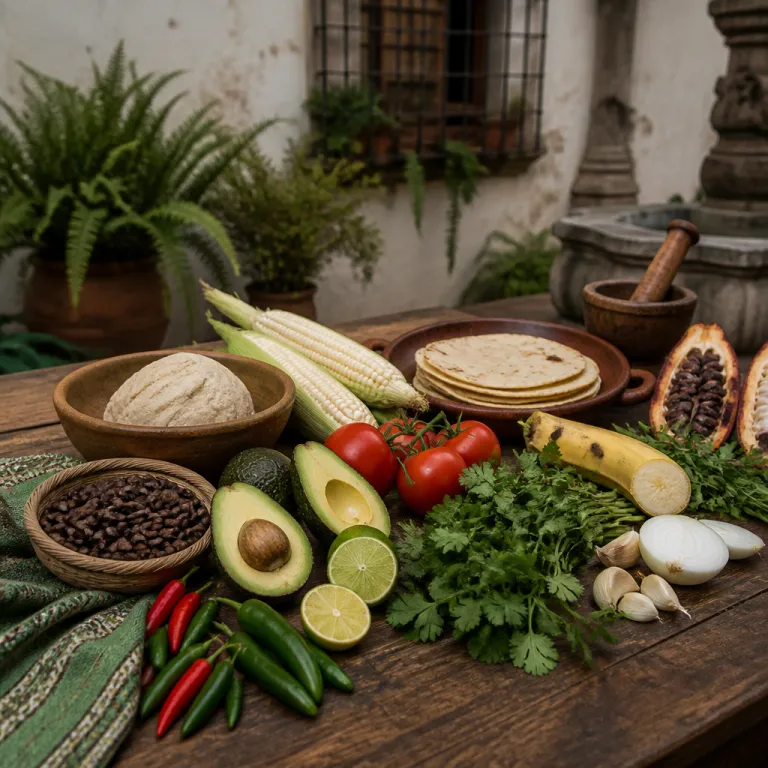
A serious Antigua Guatemala cooking class food tour almost always starts at Mercado Central, a few blocks from Parque Central. On your own, you might see only crowded aisles and colourful produce, but with a good guide the market becomes a map of Guatemalan culture, from maize varieties to the herbs that give pepián its depth. This is where you first understand how Guatemala’s national identity is tied to what simmers in clay pots.
During better designed food tours, your host will point out which stalls supply specific restaurants and which families have sold the same ingredients for generations. You might pause at a long-running chile stand near the west entrance, taste coffee brewed at a corner puesto, then step outside for a quick view of the volcanoes that feed the soil, before returning to choose chillies and tomatoes for your own dishes. Guides from schools such as La Tortilla or Maya-iz use this walk to explain why pepián is widely regarded as Guatemala’s national dish, and how traditional Guatemalan recipes adapt from highland villages to Antigua’s polished dining rooms.
For luxury travellers, the market segment of a cooking experience is also a quiet test of quality. A thoughtful host will ask about dietary needs in advance, steer you away from anything that might not agree with your stomach and explain safe street food etiquette. If your hotel concierge or booking platform suggests pairing the market with a later spa session, they are thinking clearly about pacing; you can read more in our guide to where to stay for Guatemala’s key festivals, which often overlap with seasonal food experiences.
Kitchen table dining and local homes: when the city steps back
Some of Antigua’s most memorable food experiences never appear on a printed menu. Increasingly, hosts in neighbourhoods such as San Miguel Escobar or San Juan Gascón open their homes for kitchen table dinners that feel less like a class and more like being folded into a family evening. You might still learn cooking techniques, but the real luxury is time and conversation.
These evenings often begin with a short cooking class where you help prepare authentic Guatemalan food under the calm eye of a home cook who has never used the word “chef”. Together you grind spices for pepián, shape tortillas and talk about things Antigua residents worry about beyond tourism, from harvest cycles to school schedules. Over the next few hours, the table fills with dishes that show how flavours in Guatemala shift between regions, and you start to understand Guatemala’s national identity through taste rather than theory.
Booking these experiences usually happens through trusted intermediaries; a hotel concierge, a specialist platform or a guide you met during earlier food tours who follows up via WhatsApp. For solo travellers, this format is ideal because the group is small, the conversation is easy and the host will often walk you back to a main street or arrange a taxi. If you prefer to balance such intimate evenings with more classic luxury, consider pairing them with properties that focus on wellness and quiet courtyards, then consult our overview of spa and wellness experiences in Guatemala when you plan where to stay.
Beyond Antigua: lakeside stoves, highland kitchens and hotel strategy
Once you have tasted Antigua Guatemala’s cooking classes, it becomes hard to stop at the city limits. Around Lake Atitlán, for example, you can book a cooking class in a lakeside village, then return to a design-forward hotel where every room has a view of the water and the volcanoes. The contrast between polished service and the smoke of a wood-fired comal is exactly what makes these food experiences linger.
Highland towns such as Chichicastenango and Quetzaltenango offer their own versions of a cooking experience, often centred on market produce and traditional Guatemalan recipes that rarely reach Antigua’s restaurant scene. Here you might cook with a Maya host who explains which patterns on her huipil match which village, while a pot of kak’ik simmers beside the pepián you already know. Luxury and premium hotel booking platforms that understand this will highlight properties with strong local partnerships, not just pretty rooms and a standard coffee service.
For travellers using myguatemalastay.com, the strategy is simple: treat the Antigua Guatemala cooking class food tour as your anchor, then extend outward. Start with structured cooking classes in the city, add one or two kitchen table dinners in San Miguel or nearby villages, and finish with a lakeside stay where you can cook once more or simply eat. Over a few days and a handful of carefully chosen classes, you will have moved from student to confident cook, carrying home not just recipes but a working sense of how Guatemalan culture lives in its kitchens.
Practical tips for booking Antigua Guatemala cooking classes through luxury platforms
Planning an Antigua Guatemala cooking class food tour through a luxury and premium hotel website is less about chasing discounts and more about curating the right sequence. First, decide what balance you want between structured cooking classes, informal food tours and kitchen table dinners in local homes. Then look for hotels whose concierges already maintain relationships with schools such as El Frijol Feliz, La Tortilla, Maya-iz or Casa San Miguel.
Most reputable providers run classes year round, with morning and afternoon sessions that last around three hours and cost between forty and one hundred twenty dollars per person. A typical afternoon might look like this: 2:00 p.m. meet your guide near Parque Central, 2:15 p.m. walk to Mercado Central for ingredient shopping, 3:00 p.m. start cooking in a nearby kitchen, 5:00 p.m. sit down to eat what you have prepared. When you book, share your dietary needs at least a few hours in advance so the cook can adjust recipes without losing the essence of Guatemalan food. Many organisers confirm details via WhatsApp, which makes it easy to coordinate pick-up points, language preferences and whether you want to focus on pepián, kak’ik or other dishes.
Finally, think about how each class Antigua offers fits into your wider stay. A market-to-table cooking experience pairs well with a light lunch and a late spa appointment, while an evening class in a family home might be your main event of the day. If you are travelling solo, lean into the social nature of cooking; these rooms are where conversations start, future travel plans are sketched and Guatemala begins to feel less like a destination and more like a place you will return to.
FAQ
What dishes are typically taught in Antigua Guatemala cooking classes?
Most Antigua Guatemala cooking classes focus on traditional Guatemalan dishes such as pepián, tamales, tortillas and sometimes kak’ik or rellenitos. Schools like El Frijol Feliz, La Tortilla and Maya-iz usually let you choose from a small menu of recipes before the class. This means you can prioritise Guatemala’s national dish or lighter options depending on your appetite.
Are Antigua’s cooking classes suitable for beginners?
Yes, the majority of cooking classes in Antigua Guatemala are designed for all skill levels, including complete beginners. Instructors demonstrate each step slowly, then guide you as you chop, stir and cook, so the experience feels relaxed rather than technical. Group formats are especially friendly for solo travellers who want a social setting while they learn the basics of Guatemalan food.
How far in advance should I book a cooking class?
For high season or weekend dates, it is wise to book your preferred cooking class several days or even a week in advance. Smaller kitchen table experiences in neighbourhoods such as San Miguel often require at least twenty-four hours’ notice so hosts can shop at the market. Luxury hotels and booking platforms can usually secure last-minute spots, but the best time slots and more intimate classes fill quickly.
What is the typical duration and cost of a class in Antigua?
Most structured cooking classes in Antigua last around three hours, including a short market visit and a sit-down meal. Prices generally range from about forty to one hundred twenty dollars per person, depending on group size, menu complexity and whether transport is included. Private sessions or chef-led restaurant experiences sit at the upper end of that range but offer more personalised instruction.
Can cooking classes accommodate dietary restrictions or preferences?
Reputable providers in Antigua Guatemala are accustomed to accommodating vegetarian, vegan and gluten-free diets, as well as specific allergies. The key is to inform the organiser or your hotel concierge clearly when you book, and to reconfirm via WhatsApp or email a few hours in advance. Instructors then adjust recipes or suggest alternative dishes so you still enjoy a full cooking experience without compromising safety or flavour.