Why Guatemala City now matters for serious dining
Guatemala City has quietly become the most interesting place to eat in the country. In the capital, a new generation of chefs is turning traditional Guatemalan food from the markets into refined dishes that still taste like the street. For travelers who already know Antigua Guatemala and Lake Atitlán, this shift makes the city more than a transit stop between things and attractions across Latin America.
The most ambitious guatemala city market to table restaurants work almost like editors of the national pantry, choosing which regional dishes, herbs and chiles deserve a place on the plate. They shop early at Mercado Central, talk directly with growers from villages near Antigua and San Juan, then write a menu that changes as quickly as the rainy season. For a solo explorer planning where to eat Guatemala on a short stay, this means the best restaurants in the city now rival anything in Antigua Guatemala for both creativity and depth of flavor.
Luxury travelers booking a design forward hotel in zona 4 or zona 10 can now pair a fine dining restaurant Guatemala experience with a morning walk through a working market. One night might be a tasting menu built around heirloom corn and tamales, the next a relaxed restaurant with great street food inspired snacks and a good natural wine list. The result is a capital that finally feels like the culinary gateway to Guatemala, not just the place you drive Guatemala through on the way to Lake Atitlán or the ruins.
The milpa pantry: from Mercado Central to the tasting menu
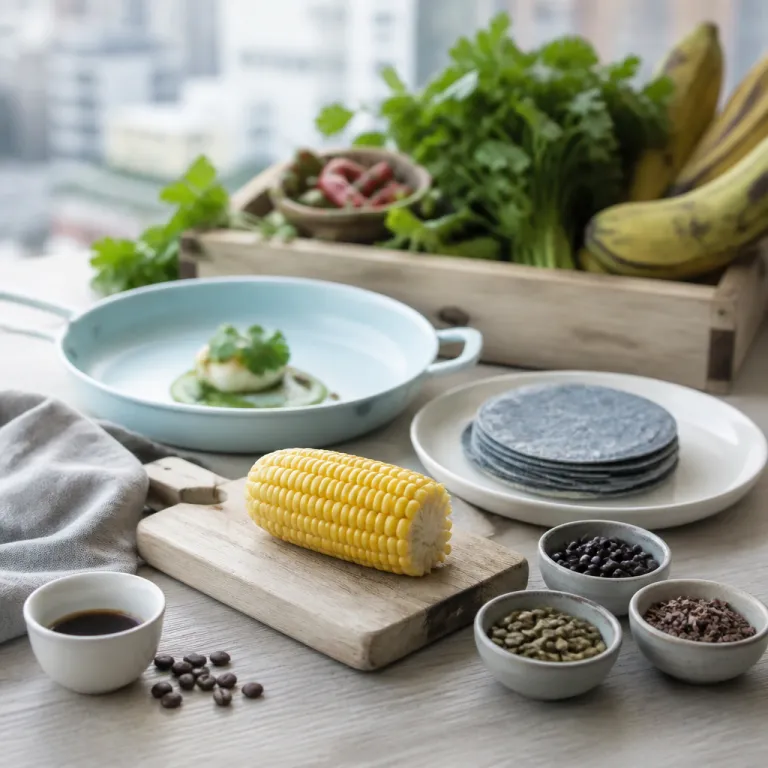
At the heart of these guatemala city market to table restaurants sits the milpa, the traditional Mesoamerican system that grows corn, beans and squash together. In Guatemala, that idea extends to tiny chiltepe chiles, loroco flowers, hierba mora greens and wild herbs that rarely appear on a hotel menu in other parts of Latin America. Walk the aisles of Mercado Central in Cdad Guatemala and you see the pantry that now shapes the city’s most interesting dining rooms.
Chefs buy corn for masa, loroco for quesadillas and hierba mora for earthy purées, then return to their restaurant kitchens to decide whether these ingredients land on the tasting menu or the à la carte section. A thoughtful restaurant Guatemala will often offer both, letting a solo traveler choose between a long, award winning progression of Guatemalan food or a shorter list of dishes that still show the same market sourcing. For many guests, sitting at the counter with a view of the open kitchen becomes one of the top things to do in Guatemala City, right alongside more classic things and attractions like museums and plazas.
Some of the best restaurants in the city now build entire courses around a single market ingredient, whether a tamales inspired bite or a refined take on street food grilled over charcoal. If you are planning where to eat in Guatemala City, look for menus that name the market or region next to each product, a small but telling sign of transparency. To understand how far this approach can go, read our in depth look at Flor de Lis and its Popol Vuh inspired twelve course experience, where a tasting menu becomes a narrative of Guatemalan ingredients from market to table, at this detailed Flor de Lis feature.
Neighborhoods, counter seats and the solo luxury traveler
For a traveler booking a premium hotel, the question is not only which guatemala city market to table restaurants to choose, but in which zona to sleep. Zona 4 has become the creative quarter, with cafés, casual restaurants and a few serious kitchens that turn market produce into plates designed for sharing. Zona 10, the traditional business and hotel district, now mixes international chains with Guatemalan restaurants that treat Mercado Central and smaller neighborhood markets as their primary suppliers.
Solo diners should look for restaurants that offer counter seating facing the kitchen, where you can watch tamales being steamed, sauces reduced and tortillas pressed to order. These seats often come with a shorter tasting menu or a flexible à la carte option, ideal if you want to eat Guatemalan food without committing to a long service. In many of the best restaurants, the team will happily adapt portions so you can try more dishes, a small luxury that turns dinner into a personal tasting tour of the city.
Antigua remains a beautiful place to stay, but Guatemala City now rewards at least one or two nights for anyone serious about food. You might spend the day exploring things and attractions in Cdad Guatemala, then return to a restaurant Guatemala that has rewritten its menu after a morning at the market. For a sense of how charcoal, fire and local sourcing are reshaping high end cooking, our profile of a Michelin starred Guatemalan chef returning home, in the piece on the charcoal kitchen and its evolution, offers useful context at this charcoal kitchen feature.
From street food memory to fine dining plate
Many of the most compelling guatemala city market to table restaurants start with street food memories. A childhood tamales vendor near a bus stop, a favorite stand selling chiles rellenos, a stall at Mercado Central that always had the freshest atol — these become reference points for refined plates. The goal is not to imitate the street, but to honor it while using better sourcing and precise technique.
In practice, that might mean a fine dining restaurant Guatemala serving a single perfect tortilla topped with slow cooked pork and a bright salsa of chiltepe, instead of a piled high street taco. Or a tasting menu course that reimagines atol as a delicate corn custard, paired with seasonal fruit from farms near Antigua Guatemala or Lake Atitlán. When you eat Guatemala in this way, you taste both the city and the countryside in each bite, a balance that feels especially satisfying after a day of urban exploration.
Travelers often ask whether they should still seek out actual street food if they are already booked into high end restaurants. The answer is yes, because the contrast between a market stall and an award winning dining room sharpens your understanding of Guatemalan food culture. Try a simple market breakfast, then book a table at a restaurant that lists the same ingredients on its menu, and you will see how the country is being cooked back onto the plate at every level.
Pairing market-to-table dinners with design-forward stays
Choosing the right hotel in Guatemala City can elevate your experience of these market driven kitchens. Many luxury properties in zona 10 now coordinate with nearby restaurants, helping guests secure late reservations after a delayed flight or a long drive Guatemala from Antigua or Lake Atitlán. Some even offer early check in or late check out so you can time a long tasting menu without worrying about airport transfers.
Look for hotels that understand food as part of the stay, not just an add on. A concierge who knows which restaurant Guatemala is best for a solo counter seat, which place excels at traditional Guatemalan dishes and which dining room offers the most interesting wine pairings is worth as much as a spa. When a property can speak fluently about Mercado Central, about where to eat tamales in the city and about which guatemala city market to table restaurants are pushing Guatemalan food forward, you know you are in the right hands.
Some travelers like to split time between a design hotel in the capital and a quieter stay near Antigua or Lake Atitlán, using the city as a base for top things like coffee farm visits and cultural excursions. In that case, plan at least one serious dinner in Cdad Guatemala on each side of your trip, so you can taste how the menu shifts with the market. For more on aligning your stays with harvest seasons and regional flavors, our guide to pairing cacao and coffee experiences with summer hotel bookings offers a useful framework at this cacao and coffee in season guide.
FAQ
Are Guatemala City’s market-to-table restaurants safe for solo travelers at night ?
Most serious dining rooms in Guatemala City are located in well monitored areas of zona 4 and zona 10, where hotels and restaurants work closely with trusted taxi and transfer services. As a solo traveler, arrange door to door transport through your hotel, avoid walking long distances late at night and keep valuables discreet. Inside the restaurant, the atmosphere is generally relaxed and professional, with staff accustomed to international guests.
How far in advance should I book a tasting menu in Guatemala City ?
For the most sought after tasting menu experiences, especially at places like Flor de Lis, booking at least one to two weeks ahead is sensible during busy travel periods. On weeknights, some restaurants can accommodate last minute solo diners at the counter, but prime weekend slots fill quickly. If your schedule is tight, ask your hotel concierge to monitor cancellations and wait lists.
Can I experience Guatemalan street food flavors without eating at actual street stalls ?
Yes, many guatemala city market to table restaurants reinterpret classic street food dishes using market sourced ingredients and careful technique. You will find refined versions of tamales, tostadas and atoles on tasting menus and à la carte lists, often with clear references to specific markets or regions. That said, a daytime visit to Mercado Central or a neighborhood market adds valuable context to what you taste in the dining room.
Is it worth staying in Guatemala City instead of just passing through to Antigua or Lake Atitlán ?
If you care about food, staying at least one or two nights in Guatemala City is increasingly rewarding. The capital now concentrates many of the country’s most ambitious kitchens, which draw directly from urban markets and highland farms. Combining a design focused hotel stay with dinners at these restaurants gives you a deeper sense of contemporary Guatemalan culture than a quick transit stop would allow.
What should I look for on the menu to know a restaurant really sources from markets ?
Menus that name specific markets such as Mercado Central, list regional varieties of corn or beans and highlight seasonal herbs like loroco or hierba mora usually signal genuine market sourcing. Daily or weekly menu changes also indicate that the kitchen is responding to what appears at the stalls rather than relying on fixed imports. When in doubt, ask the staff which dishes best reflect that day’s market purchases and start there.