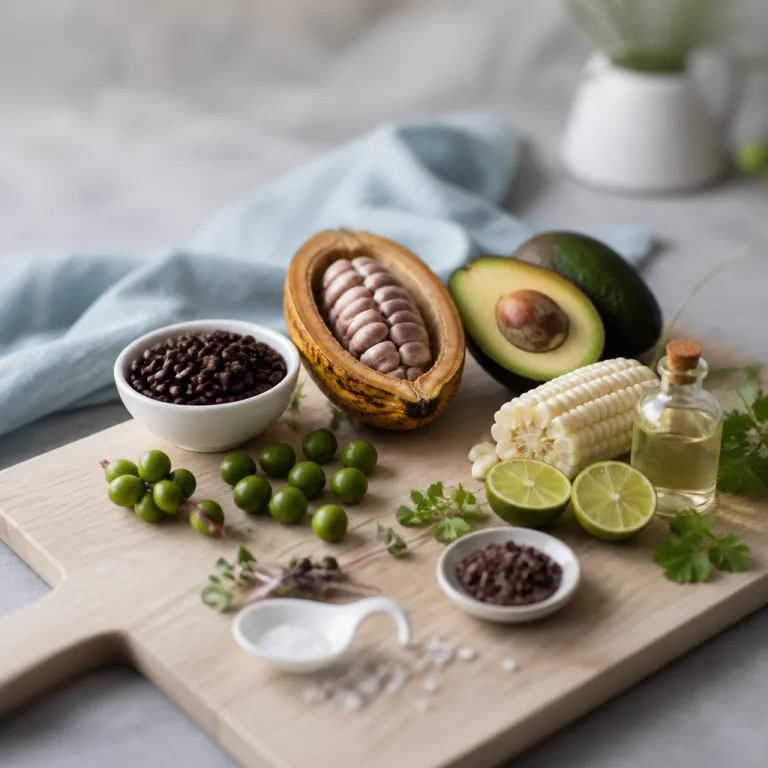
Fine dining restaurants in Guatemala for luxury hotel guests
Guatemala rewards curious diners with refined restaurants where regional flavors meet international technique. In Antigua Guatemala, Mesón Panza Verde stands out among the best places to eat for guests staying in premium hotels who want elegant food paired with art-filled surroundings. Candlelit arches, stone fireplaces, and rotating exhibitions of local painting and sculpture create a setting that feels more like a private gallery than a conventional dining room, showing how the country’s culinary scene now rivals many celebrated city destinations while still feeling intimate and deeply local.
Luxury travellers often ask where to find the best restaurants in Antigua Guatemala that balance creative cooking with a sense of place. Mesón Panza Verde, on 5a Avenida Sur #19 in Antigua’s historic center, offers international cuisine with a twist, and its kitchen uses local ingredients and traditional methods to reinterpret Guatemalan classics in a contemporary way. A typical main course might pair grilled beef tenderloin with a pepián-inspired sauce and seasonal vegetables, with dinner entrées usually ranging from Q150 to Q260 (about US$20–35). For guests booking high-end suites, a concise but carefully chosen list of dining rooms in Guatemala that includes this address, alongside more casual but good options, turns a simple lunch or relaxed dinner into a highlight of the trip.
In Guatemala City, fine dining venues cluster in the upscale zones near luxury hotels, where chefs explore tasting menus inspired by Guatemalan terroir. In areas such as Zona 10 and Zona 14, you can eat pepián reimagined as a delicate course, sip carefully chosen coffee pairings, and finish with sweet desserts that echo the country’s cacao heritage. Many of these upscale restaurants now coordinate with hotel teams to secure tables during peak hours, which is essential when your travel guide emphasizes limited seating and long waiting lists for popular weekend services.
High-end hotel guests often combine a day trip to Antigua with a reserved table at one of the best restaurants the city offers. In this colonial destination, places to eat range from polished fine dining rooms to relaxed courtyards where you can sit under bougainvillea and taste delicious Guatemalan food while church bells ring in the distance. When planning Guatemala travel around gastronomy, it is wise to ask your hotel to align restaurant hours with your spa appointments and transfers, so every meal feels effortless and you avoid rushing through courses to catch a shuttle or tour.
Luxury properties around Lake Atitlán now collaborate with chefs who design tasting menus that showcase lake fish, heirloom corn tortillas, and seasonal vegetables. These dining rooms in Guatemala’s highlands often serve breakfast on terraces with sweeping views, then shift to slow-paced lunch and dinner services that encourage guests to linger over a glass of wine or a final cup of coffee. For travellers comparing options in Guatemala City, Antigua, and Lake Atitlán, the most memorable meals usually come where the chef works closely with local farmers and the hotel team to personalize the experience, whether that means arranging a private dockside dinner or adapting a menu to highlight a favorite ingredient.
Gourmet Guatemalan food and tasting menus for discerning palates
High-end hotels in Guatemala increasingly treat gourmet dining as a core part of the stay, not an optional extra. Guests who care about where they eat want more than a good restaurant list; they expect curated access to chefs who understand Guatemalan ingredients and global techniques. This is where tasting menus, chef’s tables, and wine or coffee pairings become powerful tools for hotels positioning themselves at the premium level and for travellers who want every course to tell a story.
One standout example of elevated Guatemalan food is the multi-course dinner format that some top restaurants now use to retell Maya stories through flavor. For travellers interested in this kind of narrative cuisine, reading about a twelve-course dinner inspired by the Popol Vuh on a dedicated guide to fine dining rooted in Maya creation myths helps frame what to expect from the country’s most ambitious chefs. During one such dinner, a chef might explain how a smoky corn broth evokes the moment humans are formed from maize, showing how local culinary innovators can compete with global gastronomic capitals while staying grounded in Guatemalan culture.
Luxury travellers often start the day with a slow breakfast that highlights local coffee, fresh fruit, and warm corn tortillas made to order. In the best restaurants attached to premium hotels, breakfast becomes a tasting of Guatemala itself, with sweet plantains, artisanal cheeses, and house-baked bread served alongside single-origin coffee from nearby fincas. A hotel manager in Antigua once summed it up by saying, “If guests fall in love with their first cup of coffee, they will remember the whole stay,” and when guests later head into Antigua Guatemala or the capital’s city center, they already have a reference point for what authentic but refined Guatemalan food should taste like.
For lunch and early dinner, many high-end restaurants in Guatemala now offer seasonal tasting menus that can be adapted to dietary preferences with advance notice. This flexibility matters for hotel guests who may arrive late from Lake Atitlán or another region and still want to eat something delicious without feeling rushed. When you book through a luxury hotel’s concierge, they can often secure extended hours or a chef’s tasting that would not appear on a standard menu, while also confirming details such as vegetarian substitutions or gluten-free courses.
Even casual eats can feel elevated when framed correctly for discerning travellers. A plate of grilled meats with handmade corn tortillas in a respected local comedor becomes a lesson in Guatemalan history when the server explains regional sauces and cooking methods, from charcoal-grilled chicken to recado-based stews. Hotels that train their concierges to speak confidently about these things, and to connect guests with both fine dining and humble but excellent neighborhood spots, build long-term trust and repeat bookings by showing that they value everyday food as much as special-occasion restaurants.
From Antigua to Lake Atitlán: planning restaurant stops along your route
Many luxury itineraries in Guatemala follow a classic arc from Guatemala City to Antigua, then onward to Lake Atitlán. Along this route, the smartest hotels treat notable eateries as milestones that structure the journey, not just incidental stops. A well-planned day might start with breakfast in Antigua Guatemala, continue with a scenic lunch near the highway, and end with a relaxed dinner by the lake as boats return to their docks and the surrounding volcanoes turn purple in the evening light.
Travellers who care about food often ask for a detailed travel guide that maps where to eat between Antigua and Panajachel. For a deeper look at this corridor, a resource focused on the restaurant trail from Antigua to Panajachel outlines how to combine scenic drives with memorable meals in Guatemala’s highlands. Luxury hotels can adapt this information to create private routes that include both refined dining rooms in Antigua and rustic roadside grills where the food is simple but very good, often cooked over open fires in view of the dining area.
In Antigua itself, local restaurants range from long-established institutions to newer spots experimenting with fusion cuisine. A place like Mesón Panza Verde appeals to guests who want a quiet, candlelit restaurant, while other addresses focus on vibrant courtyards and live music during peak hours. When planning Guatemala travel, it helps to balance one night at a formal restaurant with another at a more relaxed eatery, so you experience different sides of the city and can compare tasting menus with hearty home-style dishes.
On the road to Lake Atitlán, some travellers prefer to eat in small towns rather than at highway stops. Here, modest dining rooms often serve hearty plates of grilled chicken, rice, and corn tortillas, which pair beautifully with a cold drink after a long drive. Hotels that maintain updated lists of these good, family-run restaurants can steer guests away from forgettable options and toward places where the food is both safe and delicious, with typical lunch prices between Q40 and Q80 (roughly US$5–10) per person.
Once you reach Lake Atitlán, the focus shifts to views and calm. Many lakeside restaurants build their menus around fresh fish, seasonal vegetables, and Guatemalan coffee served after dinner as the light fades over the water. A thoughtful travel guide from your hotel might suggest arriving in time for a late lunch, then enjoying a sweet dessert or ice cream in the village before returning to your suite, allowing enough time to watch the last boats cross the lake while you finish your meal.
Casual eats, cafés, and coffee culture around luxury stays
Not every meal during a luxury stay needs white tablecloths and tasting menus. Some of the most satisfying places to eat in Guatemala are casual spots where you can grab a quick bite between excursions or linger over coffee while watching city life unfold. High-end hotels that understand this balance recommend both polished restaurants and relaxed cafés, so guests can follow their appetite rather than a rigid plan and still feel they are tasting something distinctly Guatemalan.
Guatemala is one of the world’s respected coffee producers, and this heritage shapes daily life in Antigua and the capital. In Antigua Guatemala, you will find many coffee shops and at least one standout café attached to or near premium hotels, where baristas talk proudly about the best coffee beans from nearby farms. For travellers using a detailed Guatemala travel guide, these cafés become anchors in the day, ideal for planning things Antigua offers such as walking tours, spa appointments, or shopping while you sip a cappuccino made with beans roasted just a few streets away.
Beyond pure coffee culture, casual eats in Antigua and Guatemala City include everything from Pollo Campero to small local diners. Pollo Campero, which company press materials and franchise reports describe as operating roughly 400 restaurants worldwide, remains a reference point for fried chicken, while Pollo Brujo offers grilled options that many residents consider a good, quick meal. Luxury travellers sometimes hesitate to try these chains, but when framed as part of everyday dining in Guatemala, they provide a useful contrast to fine dining and a glimpse of how local families eat on busy weekdays.
In historic centers, you will also encounter cafés that double as wine bars or a relaxed cocktail bar in the evening. These hybrid spaces often serve light food such as tapas, sweet pastries, and small plates that work well for a late informal dinner after a day of sightseeing. Hotels that maintain close relationships with these venues can often arrange priority seating during busy hours, which matters during festivals or peak travel seasons when walk-in guests may face long waits for a table.
Ice cream parlors and dessert cafés deserve a place on any refined travel guide to eating in Guatemala. After a rich Guatemalan lunch, a walk through Antigua’s cobbled streets with a cone of artisanal ice cream offers a simple but delicious pleasure, especially on warm afternoons when the scent of roasted coffee drifts from nearby cafés. For families staying in luxury hotels, knowing which nearby cafe or coffee shop serves both excellent coffee and high-quality sweet treats can turn an ordinary afternoon into a small ritual that children and adults look forward to each day.
Local institutions and hidden favorites: from barriga llena to rincon antigüeño
Some names come up repeatedly when you ask residents about their favorite places to eat. Spots like Barriga Llena, Antigua Brewing Company, and Rincón Antigüeño represent different styles of dining, yet all share a commitment to good, satisfying food. Luxury travellers who only follow international lists of best restaurants risk missing these deeply local institutions, which often appear first in conversations with drivers, guides, or hotel staff rather than in glossy magazines.
Barriga Llena, whose name evokes the comfort of a full stomach, is often praised for hearty portions and relaxed service. It may not appear on every glossy travel guide, but many Guatemalan families consider it a reliable restaurant for casual eats, especially when they want to eat well without formality. For hotel guests, a recommendation like this from a concierge signals access to places that locals actually frequent, with menus that might include grilled meats, tacos, and generous platters meant for sharing.
Antigua Brewing Company and its related brand Antigua Cerveza have become fixtures in Antigua’s social life. These venues blend the atmosphere of a craft brewing company with the energy of a rooftop bar, serving both beer and solid pub-style food that pairs well with long conversations. When you look beyond traditional restaurants Antigua offers, these spaces show another side of Guatemalan hospitality, where good drinks, live music, and city views come together and where a casual burger or shared plate of nachos can be as memorable as a formal tasting menu.
Rincón Antigüeño, as the name suggests, focuses on Guatemalan flavors in a setting that feels both traditional and welcoming. Here you can eat dishes built around corn tortillas, grilled meats, and rich sauces, often at more flexible hours than formal fine dining rooms. For travellers comparing places to eat that serve authentic food, this kind of address offers a bridge between home-style cooking and the standards expected by international visitors, with prices that usually sit comfortably between budget comedores and high-end restaurants.
Toko Baru adds yet another layer to Antigua’s dining scene by introducing global flavors into the local mix. While not strictly Guatemalan, it reflects how restaurants in Guatemala now cater to cosmopolitan tastes without losing their sense of place. A thoughtful Guatemala travel plan might include a night at a high-end restaurant, another at a beloved local spot like Rincón Antigüeño, and a third at a more eclectic eatery such as Toko Baru, ensuring a varied but coherent culinary narrative that moves from traditional stews to curries and falafel.
Seasonal events, sacred calendars, and how hotels curate dining
Guatemala’s restaurant scene does not exist in isolation; it moves with the country’s religious and cultural calendar. During major events in Antigua Guatemala, such as Holy Week, local eateries adjust hours, menus, and even entrances to accommodate processions and crowds. Luxury hotels that understand these rhythms can turn potential disruption into a front-row seat on living tradition by suggesting early lunches, terrace seating, or set menus timed around the most important processions.
For travellers planning Guatemala travel around these sacred periods, it helps to read in-depth coverage of how processions reshape both streets and dining patterns. A detailed feature on how Holy Week in Antigua transforms luxury family travel illustrates why advance restaurant reservations become essential. During such times, even usually quiet Antigua establishments may operate with limited menus or special set meals, which hotels can explain and book on your behalf so you know in advance whether you will be eating a fixed three-course lunch or a more flexible à la carte dinner.
Seasonality also affects ingredients and the style of food served across the country. Around harvest periods, you will see more dishes built around fresh corn, beans, and vegetables, while cooler months may bring heartier stews and roasted meats to the forefront. Hotels that brief guests on these seasonal things, and suggest where to eat specific dishes at their peak, demonstrate both expertise and genuine care, whether they are pointing you toward a market stall for fresh atol de elote or a fine dining room for a refined take on fiambre.
In Guatemala City and Antigua, cocktail bar culture has grown alongside the rise of specialty coffee shops. Many high-end restaurants now offer thoughtful beverage programs that highlight Guatemalan rum, local fruits, and even coffee-based cocktails that bridge bar and cafe traditions. For guests who appreciate both a refined drink and a strong espresso, this convergence makes dining in Guatemala particularly appealing and encourages lingering at the table after dessert.
Finally, the most successful luxury hotels act as interpreters between visitors and the country’s diverse food scene. They maintain up-to-date lists of best restaurants, casual eats, coffee shops, and late-night spots, noting hours, reservation policies, and signature dishes. By doing so, they ensure that every breakfast, lunch, or dinner in Guatemala feels intentional, whether you are eating in a fine dining room, a lively brewing company taproom, or a quiet corner of a neighborhood cafe recommended by someone who eats there regularly.
Key figures and data about Guatemala’s dining landscape
- Pollo Campero operates about 400 restaurants worldwide, making it the largest fast food chain associated with Guatemala and a familiar reference point for travellers comparing local and international options; this figure appears consistently in company press releases and franchise summaries.
- Mesón Panza Verde in Antigua received the prestigious “Tenedor de Oro” recognition from Guatemala’s Cámara de Turismo in the late 2010s, a distinction reported in local tourism bulletins and industry news, underscoring how local restaurants now earn national-level awards for fine dining excellence.
- Guatemala City sits at approximately 14.63 degrees north and 90.51 degrees west, a highland location that contributes to the country’s reputation for high-quality coffee and cool-climate produce used in many top restaurants.
- Guatemala’s national dish is pepián, a traditional meat stew, and its presence on both casual and fine dining menus helps travellers connect everyday restaurants with the country’s deeper culinary heritage.
Frequently asked questions about restaurants in Guatemala
What types of restaurants in Guatemala can luxury travellers expect?
Luxury travellers will find a full spectrum of restaurants in Guatemala, from award-winning fine dining rooms in Antigua Guatemala and Guatemala City to relaxed lakeside eateries around Lake Atitlán. Many high-end hotels partner with both formal restaurants and casual local spots to offer guests a balanced mix of gourmet tasting menus, traditional Guatemalan food, and international cuisine. This variety allows you to plan breakfast, lunch, and dinner experiences that match your mood each day, whether you want a long, multi-course evening or a quick, satisfying meal before an excursion.
Do I need reservations for the best restaurants in Antigua and Guatemala City?
Reservations are strongly recommended for the best restaurants in Antigua and Guatemala City, especially on weekends, holidays, and during major events such as Holy Week. Fine dining venues and popular Antigua establishments often have limited seating and specific hours, so booking through your hotel concierge ensures access and preferred times without having to call multiple restaurants yourself. For casual eateries and coffee shops, you can usually walk in, but peak hours may still involve short waits, particularly in the historic center and main tourist corridors.
Is it safe to eat street food and casual local dishes in Guatemala?
Many visitors enjoy street food and casual local dishes in Guatemala without issues, but it is wise to follow hotel recommendations. Luxury properties typically maintain updated lists of trusted vendors and small restaurants where hygiene standards and food quality are consistently good. Choosing busy stalls, freshly cooked items, and places endorsed by your hotel helps you enjoy authentic eats while minimizing risk, and asking staff which dishes are most popular can guide you toward options with high turnover.
How important is coffee culture to the restaurant experience in Guatemala?
Coffee culture is central to the restaurant experience in Guatemala, particularly in Antigua and the highlands. Many restaurants and cafés highlight single-origin Guatemalan coffee, offer tastings, and pair desserts or sweet pastries with carefully brewed cups. For travellers, visiting at least one specialty coffee shop or café recommended by your hotel is an essential part of understanding local food culture and appreciating how seriously Guatemalans take their morning and afternoon coffee rituals.
Which fast food chains are uniquely Guatemalan and worth trying?
Pollo Campero is the most iconic Guatemalan fast food chain and is often recommended as a cultural experience as much as a quick meal. Pollo Brujo is another regional chain focused on chicken that locals enjoy for casual eats, especially when they want grilled options instead of fried. While these are not fine dining restaurants in Guatemala, they provide insight into everyday tastes and can be a fun contrast to more formal meals during your stay, particularly if you visit a busy branch at lunchtime.