Why Antigua is the capital of Guatemalan coffee day trips
Antigua Guatemala sits in a highland bowl where volcanic slopes cradle some of the best coffee grown in Central America. The city’s cobblestone grid keeps you close to every major coffee farm while still wrapped in colonial arches and quiet courtyards. For a solo traveler planning an Antigua Guatemala coffee plantation tour, that combination means you can sleep in a luxury hotel, then step into working fields within minutes.
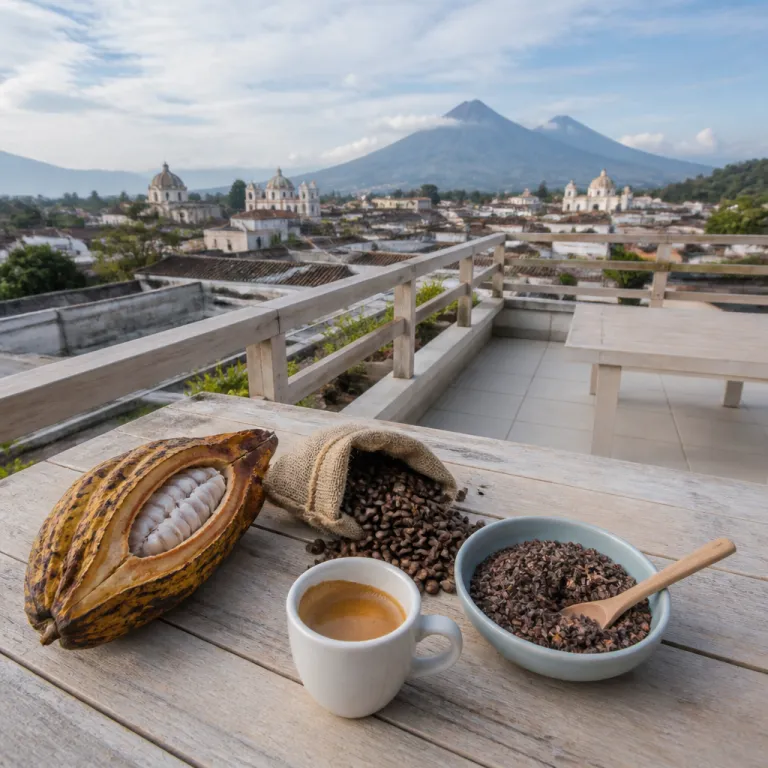
Here, Guatemalan coffee is not an abstract export but a daily rhythm that shapes when workers pick beans, when trucks leave the farm and when cafés roast their Antigua coffee. A well designed coffee tour will show you how coffee cherries move from shaded plantation rows to the wet mill, then into the roaster and finally into your cup. Most tour operators around Antigua now pair this with cacao, so you learn coffee and chocolate side by side, often finishing the day with a guided tasting in a specialty café or on a small terrace overlooking tiled roofs and volcanoes.
For travelers comparing trips across Guatemala, Antigua offers rare density and quality in its coffee tours. You can book a half day farm visit in the morning, return to your hotel spa by mid afternoon and still have time for a sunset stop at a café with rooftop seating. That flexibility matters when hotel rates in Antigua Guatemala often rise by roughly 30 to 50 percent in harvest season, according to recent listings on major booking platforms, because you can fit several coffee tours and one cacao workshop into a short stay without wasting time in transit.
How a plantation day unfolds: from farm rows to rooftop cup
A typical Antigua Guatemala coffee plantation tour begins with a hotel pickup, often in a comfortable van shared with a small group. Within fifteen to twenty minutes you reach a coffee farm on the outskirts of Antigua, where a guide leads you through rows of coffee grown under Grevillea shade trees and explains how altitude and volcanic soil shape Guatemalan coffee flavor. During harvest, you may join workers to select ripe red cherries by hand, a brief but vivid experience that changes how you see every later cup.
The next stage of the tour usually moves into the wet mill, where you follow the beans through pulping, fermentation and washing before they dry on patios or raised beds. Guides on these coffee tours Antigua wide will often invite you to handle parchment coffee beans, smell different roast levels and compare Guatemalan coffee from Antigua with lots from Lake Atitlán or other regions. The best itineraries follow a simple rhythm: morning departure, plantation tour, cacao tasting and a relaxed coffee break back in the city, often with a view of Volcán de Agua or the surrounding highlands.
Most operators then add a cacao segment, showing how cacao beans are roasted, ground and transformed into drinking chocolate or simple bars. The day often ends back in the city with a sit down at a rooftop café or balcony, where you taste Antigua coffee while looking toward Volcán de Agua and replaying each step of the tour coffee journey. If you are visiting in the dry season, November to April, you will find clearer views and more comfortable conditions for both the farm tour and the city finish, so plan your travel dates accordingly and check capacity for Antigua’s luxury hotels before you book.
Three essential plantations: Filadelfia, Bella Vista and La Azotea
Among the many farms around Antigua, a few stand out for travelers who value both depth and comfort. Finca Filadelfia, one of the region’s oldest estates, runs a polished coffee tour that combines a guided walk through the plantation with bird watching and optional activities such as a gentle bike tour on internal roads. Their guides explain how coffee beans from different plots on the same farm can taste distinct, then lead you through a structured cupping so you learn coffee evaluation techniques used by professionals.
On the northern edge of town, Finca Bella Vista and the associated Bella Vista Coffee operation offer a more vertical experience. You start with a farm tour on the slopes above Antigua, follow the Guatemala coffee processing steps and then climb to a rooftop terrace where the view sweeps across the entire valley. This is where an Antigua Guatemala coffee plantation tour feels most cinematic, as you sip some of the best coffee from the day while watching clouds slide over Volcán de Fuego’s ridge and listening to the distant rumble that sometimes follows a small puff of ash.
To the east, Finca La Azotea in nearby Jocotenango pairs coffee and cacao in a compact, well organized complex that suits solo travelers who prefer clear signage and museum style exhibits. Here you can join short coffee tours, then move directly into a bean to bar cacao workshop before returning to Antigua by tuk tuk or taxi. If you are building a longer trip that includes eco friendly stays or community projects beyond Antigua, use these visits as a template and explore the wider network of eco lodges and community run accommodations across Guatemala by asking plantation staff or local tour desks for current recommendations.
From Antigua to Lake Atitlán: extending the coffee trail
Many travelers pair an Antigua Guatemala coffee plantation tour with a few days at Lake Atitlán, creating a highland circuit that links two very different landscapes. Around Lake Atitlán, coffee farm visits tend to be smaller scale, often run by cooperatives in villages such as San Juan La Laguna or San Marcos, where you walk steep paths between plots and see how coffee grown on narrow terraces supports entire families. These farm tour experiences feel more intimate than the larger estates near Antigua, and they add context to what you learned earlier about Guatemala coffee processing.
In San Juan, for example, a cooperative guide may show you how coffee beans are depulped by hand, dried on rooftop mats and roasted in small batches for local cafés. You will likely taste coffee alongside textiles and natural dyes, because many Atitlán families balance coffee with weaving and other crafts to stabilize income through the year. When you return to Antigua after these Lake Atitlán visits, the contrast between large scale plantations and smallholder plots sharpens your understanding of Guatemalan coffee economics.
For luxury travelers, the key is to align hotel choices with your coffee tours so transfers stay efficient and comfortable. Around the lake, a handful of high end properties now integrate coffee tours and cacao tastings into their activity lists, which pairs well with a curated reality check on Lake Atitlán’s luxury stays. Plan at least one full day for Antigua based tours and another for Atitlán, and remember that travel time between the city and the lake can reach two and a half to three hours each way by private shuttle, so build your trip with realistic margins and confirm current road conditions with your operator.
Booking smart: prices, logistics and solo traveler strategy
For a solo explorer, the most practical way to join an Antigua Guatemala coffee plantation tour is to book through your hotel concierge or a trusted local operator. As of 2024, half day coffee tours usually cost between 25 and 60 US dollars per person, based on price ranges advertised by major Antigua tour agencies and plantation visitor centers, depending on whether you choose a group format or a private guide with hotel pickup. During peak harvest months, when Antigua hotel rates climb sharply, it pays to reserve both your room and your preferred coffee tour dates several weeks in advance.
Group tours work well if you enjoy meeting other travelers and want to keep costs moderate, while private tours Antigua based operators offer more flexibility for photography, in depth questions and side stops at rooftop cafés. Language is rarely a barrier in Antigua, as most guides speak at least conversational English and can explain technical aspects of Guatemala coffee clearly. Tipping is customary but not mandatory; for a half day farm tour, many travelers leave the equivalent of 10 to 15 percent of the tour price in local currency.
Before you travel, remember three simple preparation tips from local organizers: wear comfortable shoes, bring sunscreen and carry some quetzales for small purchases at the farm or café. These Antigua coffee days are not strenuous, but you will walk on uneven ground and stand for tastings, so dress accordingly and keep a light jacket for sudden highland showers. If you plan to extend your trip to Lake Atitlán or other regions, align your coffee tours with transfer days so you minimize backtracking and keep more time free for late afternoon views over Antigua’s rooftops.
Hidden gems and how to read between the plantation lines
Not every Antigua Guatemala coffee plantation tour is created equal, and the most rewarding experiences often sit just beyond the obvious brochures. Look for cooperatives such as De La Gente in San Miguel Escobar, where your farm tour fee flows directly into farmer training and community projects rather than only into a corporate ledger. These visits may lack some of the polish of larger estates, but they offer a sharper sense of how coffee grown at the foot of Volcán de Agua underpins daily life.
Another quiet highlight is the way some smaller farms now integrate cacao and rooftop spaces into their tours without heavy marketing. A guide might lead you through a modest coffee farm, then into a simple cacao room where you grind beans by hand before climbing to a terrace that frames Antigua’s domes and volcanoes in one sweep. These are the moments that stay with solo travelers long after the trip, because they connect the technical side of Guatemalan coffee with the human stories behind each cup.
As you compare options, ask operators whether they support direct trade relationships, how they pay pickers and whether they cap group sizes on their coffee tours. The answers will tell you more than any glossy flyer about the values behind your Antigua coffee experience and whether your visit helps sustain the landscape you came to admire. Eco friendly tourism, farm to table meals and cultural immersion tours are not marketing slogans here when done well; they are the framework that keeps both the plantations and the surrounding communities resilient.
FAQ
What is the best time to visit Antigua for coffee tours?
The dry season, November to April, offers ideal conditions. During these months you are more likely to see active harvesting on a coffee farm, enjoy clearer rooftop views and move comfortably between Antigua and Lake Atitlán without heavy rain disrupting your day.
Are the coffee plantation tours suitable for children?
Yes, but check with individual plantations for age guidelines. Estates such as Finca Filadelfia and Finca La Azotea tend to be more structured and family friendly, while smaller cooperatives around Antigua or San Juan at Lake Atitlán may involve steeper paths and longer walks.
Do I need to book coffee tours in advance?
Advance booking is recommended, especially during peak seasons. In Antigua Guatemala, popular coffee tours and rooftop tastings can fill quickly when hotel occupancy is high, so reserve your preferred day and time as soon as you confirm your travel dates.
How long does a typical Antigua coffee plantation tour last?
Most Antigua Guatemala coffee plantation tours run as half day experiences, usually three to four hours from hotel pickup to drop off. That window covers the farm walk, processing explanation, tasting and often a short cacao segment, leaving you free to explore the city or relax at your hotel later.
What should I wear and bring for a coffee farm visit?
Wear comfortable closed shoes suitable for uneven ground, and choose light layers for changing highland temperatures. Bring sunscreen, a hat, a refillable water bottle and some local currency for tips or small purchases at the farm café, then keep your hands free for carrying coffee beans, cacao and your camera during the tour.