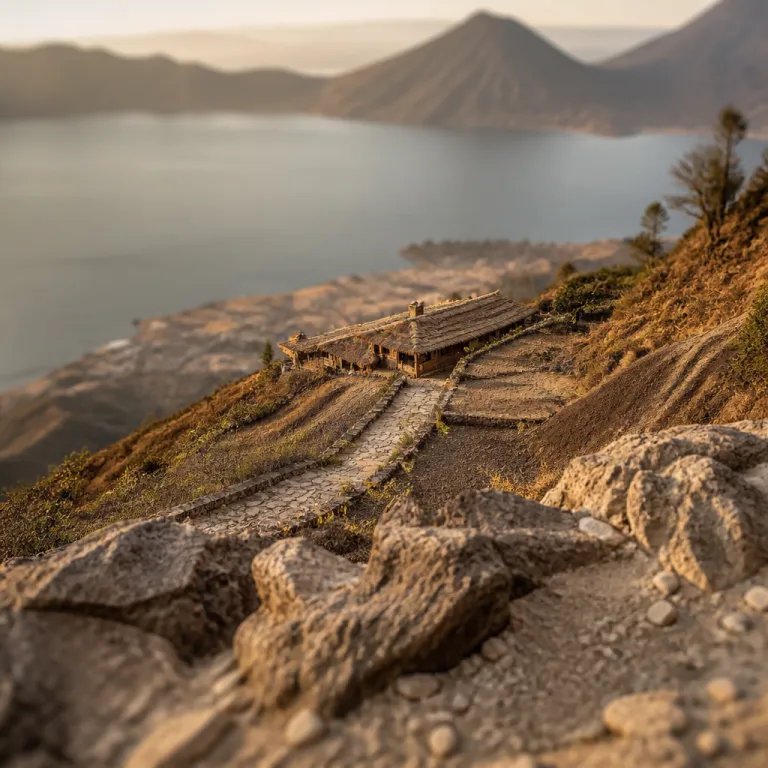
Why the San Pedro volcano hike at Lake Atitlán belongs on a luxury itinerary
The San Pedro volcano hike at Lake Atitlán is the highland ascent that serious travelers quietly rate above many headline volcanoes in Guatemala. This is a single day climb with a real summit, a defined trail, and a lake basin view that feels purpose built for people who care about both hiking and where they sleep before and after. For a solo explorer planning a premium trip, it is the rare volcano hike where you can pair a dawn summit with a refined lakeside room and still be back in time for a late lunch by the water.
Volcán San Pedro rises to about 3,020 meters on the southwest shore of Lake Atitlán Guatemala, and the classic route starts directly above the village of San Pedro La Laguna. That proximity means your travel logistics are unusually simple for a major volcano hike: you wake in a lakefront lodge, meet your guide in the dark, and within minutes you are on the lower forested trail. The elevation gain is significant but manageable for fit hikers, and the hiking time of roughly four to five hours up and three to four hours down keeps the experience intense yet contained within a single day.
For luxury travelers, the real appeal is how this San Pedro summit integrates with the broader highland circuit that might also include Acatenango, Volcán Atitlán, or even Indian Nose. You can treat San Pedro as your acclimatization climb before a tougher overnight on another volcano, or as your main volcano hike if you prefer strong coffee, good sheets, and spa time over camping. Either way, the combination of a serious hike, a deep cultural village, and polished lodging options makes this corner of Atitlán Guatemala one of the most rewarding mountain escapes in the country.
The climb itself: trail, timing and how dawn changes everything
The classic hike on San Pedro Volcano begins in the dark, usually between 4 and 5 a.m., when San Pedro La Laguna is still quiet and the lake is a black mirror below. You meet your local guide at the official trailhead above the village, near the upper municipal park gate, pay the modest park fee of around Q100 (cash only; typical as of 2024), and start climbing through coffee plants and cornfields before the sun even hints at the horizon. This early start is not a romantic flourish; it is a practical strategy that keeps you off the steepest sections of the trail during the strongest heat and positions you for sunrise at the summit.
Expect a sustained elevation gain on a well trodden path that alternates between packed earth, stone steps, and occasional muddy stretches during the rainy season. The hiking is rated moderate to hard because the gradient rarely relents, and the total hiking time of around four to five hours to the top demands steady pacing and good hydration. Local advice is clear and worth repeating verbatim for anyone planning a Volcán San Pedro hike or similar Lake Atitlán climbs: "Start hike early to catch sunrise. Wear appropriate hiking gear. Stay hydrated. Book lodges in advance. Hire local guides for safety."
From the upper forest, the first real view opens toward Volcán Atitlán and the villages of San Juan and San Pedro far below, with the lake beginning to glow silver blue. As you break the tree line, the wider amphitheater of volcanoes around Lake Atitlán comes into focus, including the distant ridge that hides Indian Nose and the more massive cone of Volcán Atitlán across the water. If you have previously climbed Acatenango from a lodge near Antigua, you will notice how this volcano hike feels more intimate and lake focused, with hiking lake panoramas rather than lava fields dominating the horizon.
For travelers comparing climbs, Acatenango is better for overnight camping above active Fuego, while the San Pedro volcano hike at Lake Atitlán excels as a demanding day hike with a softer landing back in the village. If you are planning both, it makes sense to read a detailed guide on where to sleep before the Acatenango climb, such as the dedicated advice on accommodations at altitude near Acatenango. That way you can design a two volcanoes itinerary that respects recovery time, balances hiking volcan efforts, and still leaves space for slow mornings by the lake.
San Pedro La Laguna as a base: from backpacker hub to polished lake lodges
San Pedro La Laguna has long been known as a backpacker enclave, but in recent years a quieter layer of refined guesthouses and small hotels has emerged along the lakefront and on the lower slopes. For a luxury traveler planning a San Pedro volcano hike Lake Atitlán experience, this evolution matters because it changes how you can stage the climb and how you will feel coming back down. You no longer have to choose between a serious hike and a comfortable bed; you can have both in the same compact village.
The smartest strategy is to book a lake facing room in San Pedro La Laguna for at least two nights, arriving the day before your hike to adjust to the altitude and the rhythm of San Pedro life. Look for properties that offer early breakfast service, secure storage for hiking gear, and quiet rooms away from the late night bar strip, especially if you plan a 4 a.m. wake up for your volcano hike. In the mid range and boutique bracket, places like Hotel Mikaso and Sababa Resort often appeal to travelers who want lake views, reliable hot water, and calmer nights within walking distance of the docks.
For travelers who care about wellness, it is worth considering how your lodge connects you back to the lake after the climb, whether through a small spa, a hot tub with a view of the volcanoes, or direct access to the water for a post hike swim. The broader Lake Atitlán Guatemala region now includes several high end properties with serious spa programs, and it can be helpful to study a curated overview of Guatemala luxury hotels with spa services by lakes and mountains. Many travelers choose to spend one or two nights in San Pedro La Laguna for the climb itself, then transfer by boat to a more secluded spa focused retreat elsewhere on Lake Atitlán for deeper recovery.
Within the village, the feel shifts as you move from the lively dock area toward quieter residential lanes where some of the most atmospheric lodges hide behind stone walls and bougainvillea. These properties tend to attract a more mature travel crowd, including solo explorers who want both reliable Wi Fi and a sense of being anchored in a real Guatemalan community. When you step out before dawn for your Atitlán climb, you pass local residents heading to work, coffee farmers moving uphill, and the occasional dog still half asleep on the cobbles, all of which grounds the experience in the daily life of San Pedro rather than in a sealed resort bubble.
Designing a highland itinerary: pairing San Pedro with other volcanoes and lake experiences
Thinking beyond a single climb, the San Pedro volcano hike at Lake Atitlán works best as one chapter in a broader highland itinerary that might also include Antigua, Acatenango, and quieter villages like San Juan La Laguna. One elegant approach is to start with a few nights in Antigua Guatemala, then move to Lake Atitlán for the San Pedro ascent and lake time, and finally decide whether your legs and lungs still want a second volcano hike on Acatenango or Volcán Atitlán. This sequencing respects both elevation gain and recovery, which matters more than many travelers expect when stacking multiple hiking volcan objectives in one trip.
From San Pedro La Laguna, you can easily arrange Atitlán tours that combine gentle hiking lake walks, weaving cooperatives in San Juan, and boat transfers to more tranquil villages on the northern shore. A private guide can help you compare the San Pedro route with shorter hikes Lake Atitlán options such as the Indian Nose sunrise walk, which offers a dramatic view with far less time on the trail. For travelers who want to keep one serious volcano hike as their anchor, San Pedro is often the preferred choice because it delivers a full summit experience without requiring camping gear or complex logistics.
Weather and seasonality also shape how you design your travel calendar around Lake Atitlán Guatemala and the surrounding volcanoes. Mornings are usually clearer, which is why guides insist on the dawn start, while afternoons can bring clouds that soften the view but also cool the descent. If you are planning a longer stay that includes both highland hiking and lowland cultural stops, it is worth consulting a detailed guide to planning a luxury stay around the weather in Guatemala, such as the practical overview on timing a luxury itinerary around Guatemalan weather patterns.
To make this more concrete, imagine a four day sample itinerary. Day one: arrive in Antigua, settle into a restored colonial hotel, and adjust to the altitude. Day two: transfer by private shuttle to Panajachel, cross the lake by boat to San Pedro La Laguna, and check into a lakefront lodge. Day three: start the Volcán San Pedro hike before dawn with a local guide, return by early afternoon for brunch and a massage. Day four: move by boat to a quieter village for a final spa focused night before heading back toward Guatemala City or your next destination.
Practicalities for luxury hikers: safety, gear and where to unwind after the summit
On a practical level, the San Pedro volcano hike at Lake Atitlán demands respect, even if it is framed as an accessible day climb from a comfortable lodge. The trail can be steep and muddy in sections, and the combination of altitude and sustained elevation gain will challenge anyone who has not walked uphill for several hours recently. This is why local agencies consistently answer the question "Is the San Pedro Volcano hike difficult?" with the same phrase: "Moderate to hard; steep and can be muddy."
Guides are strongly recommended, not only for navigation but also for safety and cultural context, and local advice to the question "Do I need a guide to hike San Pedro Volcano?" is clear: "Recommended for safety and local knowledge." You should bring proper hiking boots, layers for the cooler summit, at least two liters of water, and enough snacks to keep your energy steady, echoing the practical answer to "What should I bring for the hike?" which is: "Hiking boots, water, snacks, light jacket." When asked "Is it safe to hike San Pedro Volcano?" local operators respond: "Generally safe; advisable to hike with a guide."
Once you are back in San Pedro La Laguna, the focus shifts from hiking volcan logistics to recovery and pleasure, and this is where your choice of accommodation pays off. A well run lakefront property will have a late breakfast or brunch option, strong coffee, and perhaps a terrace where you can sit barefoot and simply watch the boats cross Lake Atitlán as clouds gather around Volcán Atitlán and other volcanoes on the horizon. Later in the day, you might book a massage, take a slow swim, or wander up to San Juan for a quieter dinner, letting the intensity of the morning trail fade into the broader memory of a lake trip that balanced effort with indulgence.
For travelers who like structure, it can help to think of the San Pedro volcano hike at Lake Atitlán as one of several anchor experiences in Guatemala, alongside a night in a restored colonial property in Antigua or a spa day in a lakeside retreat elsewhere on Atitlán shores. Each of these moments benefits from careful hotel selection, and while many booking platforms use affiliate links to surface options, a curated approach that prioritizes location, service culture, and access to the trail will always serve you better. In the end, the climb, the village lodge, and the lake below form a single narrative, and when planned well, it is one of the most satisfying highland stories you can write for yourself in this country.
FAQ about the San Pedro volcano hike and staying in San Pedro La Laguna
Is the San Pedro volcano hike suitable for beginners?
The San Pedro volcano hike at Lake Atitlán is considered moderate to hard, with sustained elevation gain and some steep, muddy sections. A reasonably fit first time hiker can complete it, but you should be comfortable walking uphill for several hours. Hiring a guide and starting early will make the experience safer and more manageable.
How long does it take to hike up and down Volcán San Pedro?
Most hikers take around four to five hours to reach the summit of Volcán San Pedro from the official trailhead above San Pedro La Laguna. The descent usually takes between three and four hours, depending on trail conditions and how your knees handle the downhill. Plan for a full day including transfers, breakfast, and time at the top to enjoy the view over Lake Atitlán Guatemala.
Do I need to book accommodation in San Pedro La Laguna in advance?
Booking your lodge in San Pedro La Laguna in advance is strongly recommended, especially if you want a quiet, higher end room with a good lake view. Dawn hikers benefit from staying close to the trailhead, and the best located properties often fill up during peak travel periods. Advance reservations also allow you to coordinate early breakfast and guide pick up times with the hotel.
Is it safe to hike San Pedro volcano alone?
While some experienced hikers do the trail independently, local tourism offices and guides generally advise against hiking completely alone. Going with a licensed guide or a small group improves safety, supports the local economy, and adds cultural insight about San Pedro La Laguna and the surrounding villages. Conditions can change quickly on any volcano hike, so having a professional along is a sensible choice.
What is the best time of day and season to hike San Pedro?
The best time of day for the San Pedro volcano hike at Lake Atitlán is a dawn start, usually between 4 and 5 a.m., to reach the summit around sunrise and avoid midday heat. Clearer skies are more common in the dry season, but the hike runs year round with appropriate gear for potential mud and cooler summit temperatures. Whatever the month, mornings typically offer the most reliable views of Lake Atitlán and the surrounding volcanoes.