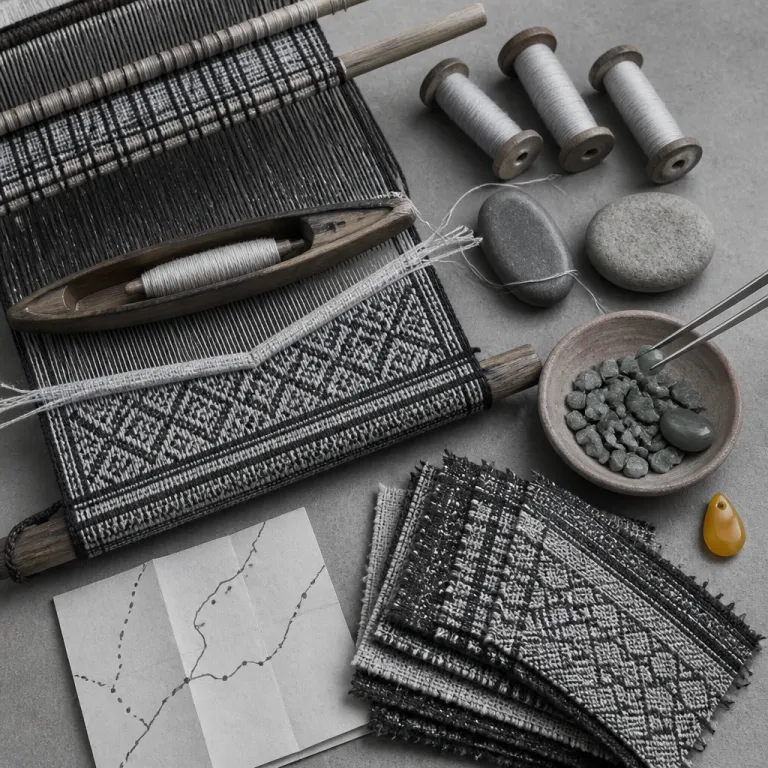
Planning a guatemala artisan villages textile tour in comfort
Guatemala rewards travelers who slow down and trace its artisan spine. A well planned journey through Guatemala’s artisan villages and textile traditions lets you move from Antigua’s polished courtyards to highland weaving towns while keeping your luggage in refined comfort. When you map this experience, think first about where you will sleep, then about which villages you will visit each day.
Base yourself initially in Antigua Guatemala, where cobblestone streets, restored mansions and ten or more jade workshops create a gentle landing. From a luxury property near the historic city center, you can join curated textile tours that introduce the story of Maya textiles before you ever reach Lake Atitlán or the highland market towns. This first phase of the trip sets your expectations for service, activity level and the kind of guided tour you prefer, whether that means private drivers, small group departures or bilingual textile specialists.
Many high end hotels in Antigua offer a private walking tour that threads together a jade museum, a textile workshop and a quiet courtyard tasting of Guatemalan coffee. Long established guides often include stops at the Museo del Jade in Antigua and the Casa del Tejido Antiguo, where you can see traditional garments up close (see listings in the Instituto Guatemalteco de Turismo directory and the Antigua tourism office for current hours and prices). One long time guide likes to summarize the essentials as a simple checklist: “Visit local markets”, “Attend weaving workshops”, “Explore jade museums” in a single structured day. Use this time to ask about the difference between hand carved Guatemalan jade and imported stones, and to understand how backstrap loom weaving still shapes daily life in the Maya villages you will soon explore, rather than treating textiles as souvenirs alone.
From Antigua to Iximché: jade, ruins and highland ascent
The road from Antigua to Chichicastenango begins with a climb past farms and pine forests, and it is here that a guatemala artisan villages textile tour starts to feel three dimensional. Leaving the city, you pass Antigua Guatemala’s last arches and cobblestone streets before the highway tilts toward the former Maya capital of Iximché. This day can be structured as a private day tour with a driver guide, or as part of small group tours Guatemala specialists operate for textile focused travelers who want context as well as shopping time.
Plan to stop at one of the jade workshops on the outskirts of Antigua, where artisans explain that “What is jade?” is not a trivial question but a doorway into Mesoamerican value systems. One museum guide will often answer directly : “A precious green stone valued in Mesoamerican cultures.” In the same breath, another expert might add : “Where can I see jade artifacts in Guatemala? Museums in Antigua and Guatemala City.” Rather than memorizing definitions, listen for stories about how jade pendants marked status or protection, which helps frame the pieces you will see later.
From there, continue to Iximché, a compact archaeological site that pairs well with a guatemala artisan villages textile tour because it anchors the Maya story in stone before you focus on textiles. The drive from Antigua to Iximché usually takes around 1.5 hours for 55–60 kilometers, depending on traffic and roadworks, and many private drivers quote day rates in the US$120–180 range for this loop according to recent operator price sheets. The activity level here is moderate, with short walks between plazas and ball courts rather than strenuous hikes, so most travelers will experience it as a gentle warm up. If you enjoy pairing culture with gastronomy, consider linking this leg with an Antigua coffee estate visit using a curated Antigua coffee trail day trip, then returning to your hotel for a final night before heading deeper into the highlands.
Highland villages and the language of Maya textiles
Beyond Iximché, the road bends toward the western highlands and the villages that give a guatemala artisan villages textile tour its texture. Here, weaving is not a staged performance but a daily activity, with backstrap looms tied to trees and doorways in San Antonio Aguas Calientes, San Juan and other communities. Each village has its own patterns, and weavers will often point out which textiles belong to which town as they work, turning each huipil into a kind of woven map.
In San Antonio Aguas Calientes, sometimes shortened locally to Antonio Aguas, the double sided brocade textiles are famously intricate, and a guided visit to a cooperative textile workshop lets you see how a large share of artisans still use backstrap looms according to local cultural surveys and community leaders. Community organizations such as Asociación de Tejedoras de San Antonio Aguas Calientes and similar cooperatives around Antigua regularly host visitors, with suggested contributions or tour fees typically in the Q40–Q80 range per person as reported by recent travelers and local tourism boards. The activity level in this village is light, mostly flat walking between homes and small showrooms, making it suitable for a wide range of travelers. Many luxury travelers choose to stay in Antigua or near Lake Atitlán and arrange a focused day tour here, which keeps logistics simple while still allowing time to explore Guatemala’s weaving heritage in depth and to meet specific families recommended by your guide.
San Juan on the shores of Lake Atitlán offers a different textile experience, with natural dyes and community run cooperatives that emphasize ethical production. From a refined lakeside hotel overlooking Lake Atitlán, you can take a boat to San Juan, San Pedro or Santa Catarina Palopó, then join a guided walking tour through murals, weaving workshops and small galleries scented with copal and fresh coffee. Many visitors book directly with cooperatives such as Asociación de Mujeres en Colores Botánicos or similar women’s groups listed by the Lake Atitlán tourism office, which often publish current workshop prices and contact details on printed brochures and local notice boards. For travelers who want to balance artisan visits with nature, eco lodges and community focused retreats highlighted in our guide to accommodation in Guatemala’s eco lodges and community stays pair beautifully with these textile tours.
Chichicastenango market and overnight options in Quiché
Any guatemala artisan villages textile tour that follows this route will eventually converge on the Chichicastenango market, one of the largest indigenous markets in the Americas. The town itself sits in the department of Quiché, and planning an overnight here transforms a rushed visit into a layered experience. Arriving the day before the market allows you to walk the streets quietly, watch vendors set up, and adjust to the altitude without pressure while your driver waits at a central plaza or hotel.
On market day, you will visit both the textile stalls and the surrounding streets where flowers, incense and everyday goods are sold, creating a sensory contrast with the more curated shops of Antigua Guatemala or Guatemala City. Chichicastenango market days fall on Thursday and Sunday, so your trip planning should orbit around these dates if textiles are a priority. The drive from Lake Atitlán to Chichicastenango usually takes 1.5–2 hours for roughly 40–50 kilometers, and many tour companies registered with INGUAT or listed in reputable guidebooks bundle transport and guiding into a single day rate. Many travelers choose a private tour that includes a guide versed in Maya symbolism, who can explain how specific huipil designs relate to villages such as San Antonio, San Pedro or Santa Catarina around Lake Atitlán and how certain motifs echo stories you may have heard at Iximché.
Accommodation in Quiché is simpler than in Antigua or Lake Atitlán, so luxury travelers often opt for a comfortable but modest hotel here, then return to a higher end property near the lake or back in the city after the market. This pattern works well if you want to explore Guatemala’s artisan villages by day while still enjoying elevated service, spa treatments and refined dining at night. Those with more time sometimes extend the route toward the Pacific shore, combining highland textiles with coastal relaxation using a curated stay such as the resorts featured in our guide to Guatemala’s Pacific shore resorts after Antigua and the lake.
Ethical buying, logistics and tailoring your activity level
Thoughtful travelers on a guatemala artisan villages textile tour care not only about what they bring home, but about how their purchases support local communities. The most reliable way to encourage fair payment is to buy directly from cooperatives or from weavers you meet in their homes, especially in villages like San Juan, San Antonio Aguas Calientes and Santa Catarina Palopó. Ask who wove the piece, how long it took and whether the price was set by the artisan or by a middleman, and be prepared to pay a little more for naturally dyed or hand brocaded work.
When you explore Guatemala with a private guide, you can request that your tours prioritize these cooperative visits over large resellers, even in busy places like the Chichicastenango market. Guides who specialize in textile tours often maintain long term relationships with specific families, which helps ensure that your money stays in the village and that repeat visits are welcomed. For jade, look for workshops that explain their sourcing and show you the hand carving process with chisels, rather than only polished stones in glass cases, and do not hesitate to ask whether the rough material comes from Guatemalan deposits.
Logistically, most luxury travelers structure this route as a series of day tours from two or three bases : Antigua, Lake Atitlán and occasionally Guatemala City for international flights. Self drive is possible, but the winding roads, variable signage and occasional traffic delays make a private driver a more relaxing choice, especially if you want to keep your activity level focused on walking tours through markets and villages rather than on navigating. However you design the trip, a well paced itinerary will let you experience the full arc of Maya textiles and jade carving, from city workshops to lakeside cooperatives, without sacrificing the comfort and calm that define a premium stay.
FAQ
What is a backstrap loom and where will I see it used ?
A backstrap loom is a portable weaving device anchored at one end to a fixed point and at the other around the weaver’s waist. It allows Maya artisans to create complex textiles while seated on the ground or a low stool, adjusting tension with their body. You will see backstrap looms in daily use in highland villages such as San Antonio Aguas Calientes, San Juan and around Lake Atitlán, often during visits to cooperative textile workshops and home based studios.
How can I tell authentic Guatemalan jade from imported stones ?
Authentic Guatemalan jade typically comes in rich green, lavender or mottled tones and is often accompanied by an explanation of the mine source and carving process. Reputable jade workshops in Antigua and Guatemala City will show you rough stones, chisels and work in progress, not just finished jewelry. Ask whether the piece was carved locally and whether the business works directly with Guatemalan quarries rather than importing cheaper material, and be cautious of vendors who cannot answer basic sourcing questions.
Is the activity level on this route suitable for most travelers ?
The overall activity level on a guatemala artisan villages textile tour between Antigua and Chichicastenango is generally moderate. Most days involve walking tours on cobblestone streets, short climbs in markets and standing during weaving demonstrations, rather than long hikes. Travelers with mobility concerns can request vehicle access close to markets and villages, and many luxury hotels can arrange tailored itineraries with frequent rest stops and flexible start times.
Which days are best for visiting Chichicastenango market ?
Chichicastenango market operates at full scale on Thursday and Sunday, when vendors from surrounding villages arrive with textiles, produce and ceremonial items. Arriving the afternoon before allows you to see the town in a quieter state and to secure accommodation without rushing. Many travelers plan their entire highland segment around one of these days to ensure the richest market experience and to coordinate private guides and drivers in advance.
Should I stay at Lake Atitlán or in Antigua for textile focused tours ?
Antigua works best as a base for jade workshops, museums and day tours to nearby weaving villages such as San Antonio Aguas Calientes and Iximché. Lake Atitlán is ideal if you want repeated access to lakeside communities like San Juan, San Pedro and Santa Catarina Palopó, where weaving cooperatives and mural projects are part of daily life. Many luxury travelers split their trip between both locations, using Antigua for city comforts and Lake Atitlán for immersive village experiences that unfold at a slower, lakeside pace.