How the seasons shape the best time to travel to Guatemala
The best time to travel to Guatemala depends on how you balance comfort, culture, and crowd levels. In this Central America destination, the dry season and rainy season each create a distinct atmosphere that shapes every luxury stay. When you plan the time to visit, you should match your expectations with the country’s varied weather and regional microclimates.
From November to April, the dry season generally offers the best months for clear skies and easier road conditions. Many travelers consider December, January, and February the Guatemala best window for a first visit Guatemala focused on comfort and sightseeing. During these months, days are warm at around 25 °C, nights are cooler in the highlands, and luxury hotels in Antigua Guatemala and around Lake Atitlán operate at full pace.
The rainy season, from May to October, brings lush landscapes and fewer visitors, which can be ideal for certain Guatemala trips. Afternoon showers are common, yet mornings often remain bright, giving you several dry hours each day to visit Mayan ruins or a national park. As one trusted guide notes, “Yes, but expect afternoon showers and possible travel delays.”
For travelers planning premium or luxury Guatemala travel, the high season usually aligns with the driest months and major holidays. Semana Santa and Holy Week in Antigua Guatemala transform the city into a living work of art, but they also push occupancy and rates to their peak. If you are visiting Guatemala during this period, book your Guatemala trips and preferred room categories many months in advance.
Planning luxury itineraries around Guatemala’s dry and rainy seasons
Understanding how each season affects specific regions is essential when you design high end Guatemala travel. In the highlands, including Antigua and Lake Atitlán, the dry season offers crisp mornings, clear volcano views, and comfortable days for walking. In contrast, the rainy season can bring misty afternoons, which some guests find atmospheric for spa sessions and slow travel Guatemala experiences.
Along the Caribbean and Pacific coasts, the weather pattern shifts slightly, yet the same rainy season and dry season rhythm applies. Luxury beach properties often highlight the best time to travel to Guatemala’s coasts as the drier months, when sea conditions are calmer and visibility is better for diving. However, some seasoned travelers prefer the shoulder months on either side of the high season, when rates soften but the weather still feels balanced.
For wellness focused guests, the best time to travel to Guatemala may be tied to spa and relaxation rather than pure sunshine. Upscale hotels with thermal pools or full spa circuits, especially those featured in curated guides to Guatemala luxury hotels with spa services, can feel particularly indulgent during a gentle rainy month. Listening to distant thunder while enjoying a massage or sauna can turn visiting Guatemala in the wettest months into a memorable sensory experience.
When you plan Guatemala trips that combine several regions, a simple mental map of the country helps. Many travelers start in Antigua Guatemala, continue to Lake Atitlán, then fly or drive to a northern national park area to visit Mayan ruins. This route works well in both seasons, but the best time for each segment may differ by a few weeks, so reading updated Guatemala travel advisories and hotel notes is wise.
Choosing the best months for Antigua, Lake Atitlán, and Mayan ruins
For Antigua, the best time to travel to Guatemala often centers on the dry months from November to April. Cobblestone streets, pastel facades, and rooftop terraces feel more inviting when the weather is stable and the chance of a rainy day is low. During this period, Antigua Guatemala becomes a refined base for high end dining, coffee tastings, and private guided walks through colonial landmarks.
Semana Santa and Holy Week in Antigua are among the most visually striking events in Central America. Intricate carpets of colored sawdust line the streets, and processions pass within meters of many luxury hotels, making this a powerful time visit for culturally minded guests. Yet this high season week also brings intense demand, so the Guatemala best strategy is to secure rooms, transfers, and guides long before your travel Guatemala dates.
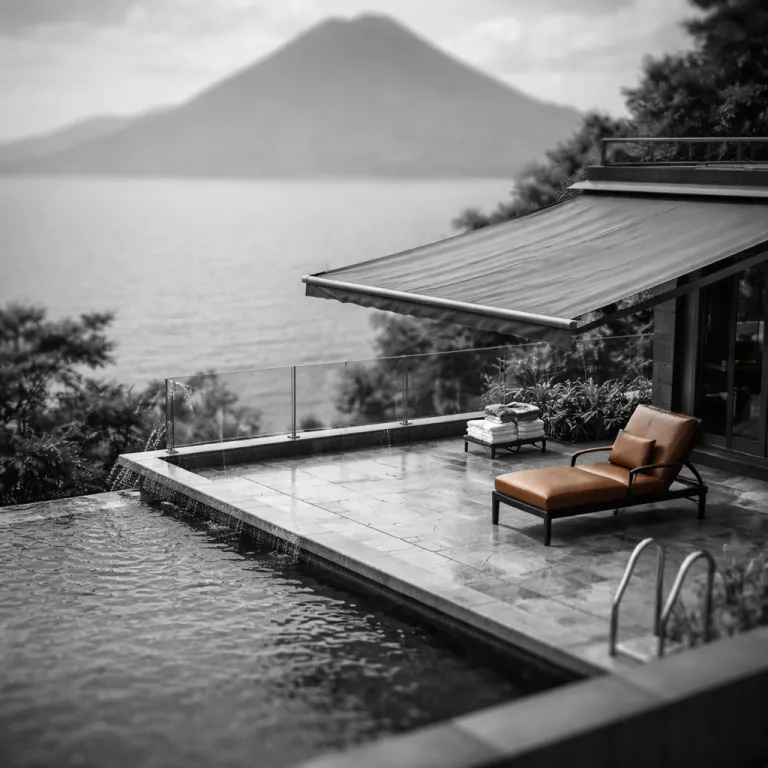
At Lake Atitlán, the best time to travel to Guatemala depends on whether you prioritize clarity or tranquility. From December to February, the lake’s surface often appears mirror like in the mornings, with volcanoes sharply outlined against the sky. During the rainy season, especially each afternoon rainy month, clouds gather dramatically over the water, creating a moody backdrop that many photographers appreciate.
For Mayan ruins in the northern lowlands, such as those inside or near a national park, cooler and drier months are usually preferred. Humidity drops slightly, trails are less muddy, and wildlife viewing can be more comfortable during these best months. Still, visiting Guatemala in the shoulder periods around the rainy season can reward you with quieter sites and softer light for photography.
Balancing rainy season charm with dry season comfort
Many travelers assume the rainy season is a time to avoid Guatemala, yet the reality is more nuanced. In much of the country, rain tends to fall in short, intense bursts during the afternoon, leaving mornings free for excursions. If you plan your Guatemala trips with this rhythm in mind, you can still enjoy a rewarding time visit even in the wettest months.
Luxury hotels adapt their services to each season, which can influence the best time to travel to Guatemala for you personally. During the dry season, properties emphasize outdoor dining, rooftop cocktails, and extended pool hours, especially in Antigua and around Lake Atitlán. In the rainy season, the focus often shifts to in room comforts, spa rituals, and curated indoor cultural experiences such as cooking classes or tastings.
At Lake Atitlán, the interplay between lake, mountains, and weather is particularly striking in the rainy season. Morning boat transfers remain practical on most days, while afternoon showers encourage guests to linger in lounges or private terraces. Choosing a refined lakeside property, such as those highlighted in detailed reviews of a hotel experience on the shores of Lake Atitlán, can turn a rainy month into an atmospheric retreat.
For travelers focused on Guatemala travel that includes hiking, volcano ascents, or remote Mayan ruins, the dry season still offers practical advantages. Trails are less slippery, and the chance of a fully rainy day disrupting plans is lower. Yet with flexible itineraries, real time weather apps, and experienced guides, visiting Guatemala in the rainy season can remain both safe and rewarding.
Using climate data, maps, and expert advice for premium stays
To refine the best time to travel to Guatemala for your specific interests, combine climate data with on the ground insight. Average temperatures hover around 24 to 25 °C throughout the year, but altitude and regional patterns create noticeable differences. A simple map of Guatemala helps you visualize how Antigua, Lake Atitlán, and northern national park regions sit in different climate zones.
When you read hotel descriptions and expert reviews, pay attention to how they describe each season. Some properties highlight the dry season as the best time for rooftop views and alfresco dining, while others emphasize the rainy season as ideal for spa and wellness. By comparing these perspectives, you can align your Guatemala travel dates with the style of stay you prefer.
For detailed planning, many travelers break the year into practical blocks rather than focusing on a single best month. Early dry season, peak high season, late dry season, early rainy season, and lush mid rainy season each offer distinct advantages. This approach allows you to choose the best months for your Guatemala trips based on crowd levels, rates, and the specific experiences you value most.
Throughout the planning process, collaboration with travel agencies, local tour guides, and hospitality services can refine your choices. They understand how many days to allocate to each region, the typical min and max temperatures by month, and how weather affects daily logistics. “December to February offer the most stable weather.” and “Most sites remain open throughout the year.”
Practical tips for timing, safety, and luxury reservations
Once you have identified the best time to travel to Guatemala, translate that decision into concrete reservations. For high season dates, especially around Semana Santa and Holy Week, secure your preferred rooms six to nine months ahead. This is particularly important in Antigua Guatemala and around Lake Atitlán, where intimate luxury properties have limited inventory.
When visiting Guatemala during the rainy season, build flexibility into your daily schedule. Plan key outdoor activities for the morning, leaving afternoons open for spa appointments, reading, or leisurely meals. If a fully rainy day appears in the forecast, your guide can often adjust the order of excursions or suggest indoor cultural visits.
For safety and comfort, pack with both season and altitude in mind, regardless of the month you travel Guatemala. Light layers, a compact rain jacket, and comfortable walking shoes work well in most regions throughout the year. In the highlands, evenings can feel cool even in the dry season, so a warm layer is advisable for rooftop dinners or early morning departures.
Finally, remember that the best time to travel to Guatemala is also about personal rhythm. Some travelers thrive on the energy of high season, while others prefer the quieter pace of shoulder months and the soft sound of rain on a lake. By aligning your Guatemala best travel window with your own preferences, you transform a simple trip into a thoughtfully curated Guatemala travel experience.
Key statistics about Guatemala’s climate and travel seasons
- Average dry season temperature in many regions of Guatemala is around 25 °C, offering warm days and cooler evenings in the highlands.
- Average rainy season temperature remains close to 24 °C, with humidity and afternoon showers more noticeable in lowland and coastal areas.
- During the rainy season, average rainfall can reach approximately 200 mm per month, concentrated mainly in short, intense showers.
Essential questions about the best time to travel to Guatemala
What is the best month to visit Guatemala for a first luxury trip ?
For many travelers, the best months for a first high end visit Guatemala are December, January, and February. During this period, the dry season brings stable weather, clear views of Lake Atitlán and surrounding volcanoes, and comfortable conditions for exploring Antigua Guatemala on foot. Luxury hotels, private guides, and transport services operate at full capacity, which supports seamless Guatemala trips across several regions.
Is it safe to travel during the rainy season in Guatemala ?
Traveling during the rainy season in Guatemala is generally safe when you plan carefully and work with reputable partners. Afternoon showers and occasional travel delays are common, so it is wise to schedule outdoor activities in the morning and allow extra time for transfers between regions. Many luxury properties adapt their services to the rainy months, offering enhanced indoor experiences that keep visiting Guatemala both comfortable and rewarding.
Are tourist sites and Mayan ruins open all year round in Guatemala ?
Most major tourist sites, including key Mayan ruins and national park areas, remain open throughout the year. Seasonal variations may affect opening hours or access to certain trails, especially after heavy rain, but complete closures are relatively rare. Checking current conditions with your hotel concierge or local guide shortly before each day trip ensures that your time visit is used efficiently in every season.
Trustful expert sources : Rough Guides ; Lonely Planet ; Guatemala’s official tourism board (INGUAT).
